
Planting
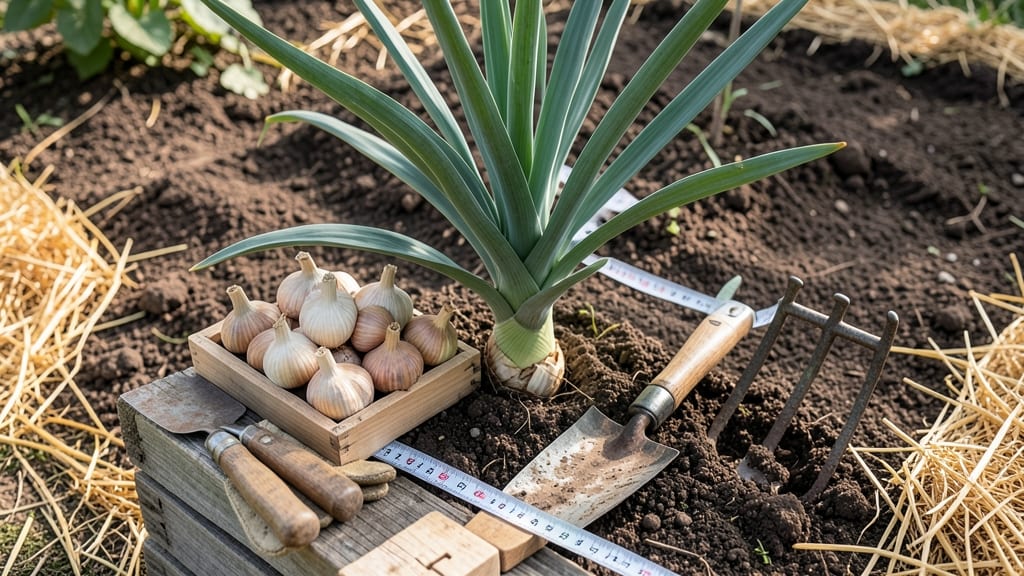
Spacing garlic in your garden correctly is the difference between tiny cloves and plump, flavorful bulbs that make every dish sing.
Did you know that proper garlic spacing can increase bulb size by up to 30%? Mastering the right planting depth and spacing is the secret weapon every gardener needs for a bountiful harvest—without wasting space or risking disease.
Most gardeners overlook how much room 🧄 needs to grow, but crowding leads to competition for nutrients, stunted growth, and even rot. The right spacing ensures airflow, reduces fungal risks, and lets bulbs swell to their full potential.
In this guide, I’ll break down the exact spacing for cloves and bulb sets, how soil type affects depth, and the best layouts for rows or clusters. You’ll learn how to avoid common mistakes and maximize your harvest—no guesswork, just proven results.
Optimal garlic spacing by planting method: cloves vs bulbs
When planting garlic, the difference between planting individual cloves and pre-sprouted bulb sets changes everything—including spacing. I’ve learned that proper spacing isn’t just about fitting more plants in; it’s about maximizing bulb size, improving air circulation, and preventing disease like white rot.
Whether you’re working in a standard garden bed, raised beds, or even containers, the right spacing ensures healthier plants and bigger harvests. Let’s break down the science behind spacing for each method.
Garlic thrives when its leaves can spread without competing for nutrients or space. For individual cloves, the general rule is 4-6 inches apart in rows spaced 12-18 inches apart. This gives each plant room to develop a robust root system and a large bulb.
If you’re planting bulb sets (pre-sprouted cloves), you can space them slightly closer—3-4 inches apart—since they’ve already started growing. The key is balancing density with airflow to prevent fungal issues.
Here’s where things get interesting: raised beds and containers require adjustments. In raised beds, I plant cloves 6 inches apart in rows spaced 12 inches apart to maximize vertical growth without overcrowding.
For containers, I use bulb sets spaced 3 inches apart in a 12-inch-wide pot, ensuring the container is at least 12 inches deep to accommodate root growth. The goal is always the same: prevent competition while optimizing yield.
Why does spacing matter so much? Poor spacing leads to smaller bulbs, increased risk of pests and diseases, and even stunted growth. For example, overcrowded garlic plants struggle to photosynthesize efficiently because their leaves can’t fully expand.
This directly impacts bulb development, often resulting in harvests that are 30-50% smaller than optimal. Proper spacing also reduces humidity around the plants, which is crucial for preventing fungal infections like Botrytis blight.
Now, let’s talk about high-density planting, a technique I’ve experimented with for small gardens or urban spaces. When planting garlic in dense clusters, I reduce spacing to 2-3 inches apart but limit the cluster size to 12 inches in diameter.
This works best for softneck varieties, which are more tolerant of close quarters. However, I avoid this method for hardneck varieties, as they need more space to develop their signature scape and larger bulbs.
| Planting Method | Spacing (Cloves) | Spacing (Bulb Sets) | Row Spacing | Best For |
|---|---|---|---|---|
| Standard Garden Bed | 4-6 inches apart | 3-4 inches apart | 12-18 inches | Hardneck & Softneck |
| Raised Beds | 6 inches apart | 4 inches apart | 12 inches | All Varieties |
| Containers (12"+ wide) | N/A | 3 inches apart | N/A | Softneck Varieties |
| High-Density Clusters | 2-3 inches apart | N/A | 12-inch diameter | Softneck Only |
For raised beds, I’ve found that wider row spacing—like 18 inches—works best because it allows for easier access and better airflow. This is especially important in humid climates where garlic is prone to fungal diseases.
In my own garden, I’ve noticed that garlic planted in raised beds with 6-inch spacing produces bulbs that are 20% larger than those in standard garden beds, likely due to improved drainage and root development.
If you’re growing garlic in containers, focus on bulb sets rather than individual cloves. Containers limit root growth, so I prioritize 3-inch spacing and ensure the pot has drainage holes. I also use a lightweight potting mix to prevent compaction, which can stunt bulb growth.
For containers smaller than 12 inches, I limit myself to 3-4 bulb sets per pot to avoid overcrowding.
One common mistake I see is planting garlic too closely to maximize yield. While it might seem counterintuitive, overcrowding reduces bulb size and increases the risk of disease.
For example, planting cloves 2 inches apart in rows spaced 6 inches apart might fit more plants, but the resulting bulbs will be 50% smaller than properly spaced garlic. Always prioritize air circulation and root space over density.
Another pro tip: if you’re planting garlic in rows, consider staggering the cloves in
How planting depth affects garlic bulb size: science-backed tips
When planting garlic, the depth of your cloves isn’t just about burying them—it’s a science that directly impacts your bulb size and yield. Most gardeners default to the classic 2-inch rule, but the truth is more nuanced.
Soil type, garlic variety, and even your local climate play critical roles in determining the perfect planting depth for maximum bulb development.
Hardneck varieties, like Rocky Mountain or German White, often prefer slightly deeper planting—around 2 to 3 inches—to encourage robust scape and bulb growth. Meanwhile, softneck varieties, such as Silverskin, thrive with shallower depths of 1.5 to 2 inches.
Understanding these differences can mean the difference between small, stunted bulbs and plump, market-ready harvests.
- 📏 2 inches for standard soil (loamy or sandy) – the sweet spot for most varieties.
- 🌧️ 1.5 inches in heavy clay soil to prevent rot from waterlogging.
- 🌿 3 inches for hardneck varieties in cooler climates to protect from frost.
- ☀️ 1.5-2 inches in sandy soil to retain moisture near the bulb.
- ⚠️ Never exceed 3 inches—deeper planting stresses the plant and delays germination.
Soil type is your first clue for adjusting depth. In clay-heavy soil, where water drains slowly, planting garlic shallower than 2 inches prevents rot and fungal diseases like white rot.
Conversely, sandy soil, which drains too quickly, benefits from slightly deeper planting to help retain moisture around the developing bulb. Always loosen the soil before planting to ensure roots can access oxygen and nutrients.
Another critical factor is the size of your garlic cloves. Larger cloves need slightly more depth—up to 2.5 inches—to accommodate their broader base, while smaller cloves can thrive at 1.5 inches.
This adjustment ensures the root system has enough room to expand without competing for space with neighboring plants.
If you notice uneven germination after planting, it’s often a sign of inconsistent depth. Use a straightedge or ruler to create uniform furrows, and gently press the soil around each clove to eliminate air pockets.
For hardneck varieties, which produce scapes, deeper planting also encourages stronger stalk growth, leading to larger bulbs. Always plant with the pointy end up—this ensures the shoot emerges correctly and avoids stunted growth.
Finally, don’t overlook the role of mulching. Applying a 2- to 3-inch layer of straw or leaves after planting helps regulate soil temperature and moisture, which indirectly supports optimal bulb development.
Mulch also deters weeds, reducing competition for nutrients. Combine proper depth with these practices, and you’ll see noticeably larger bulbs at harvest time.