
Advice
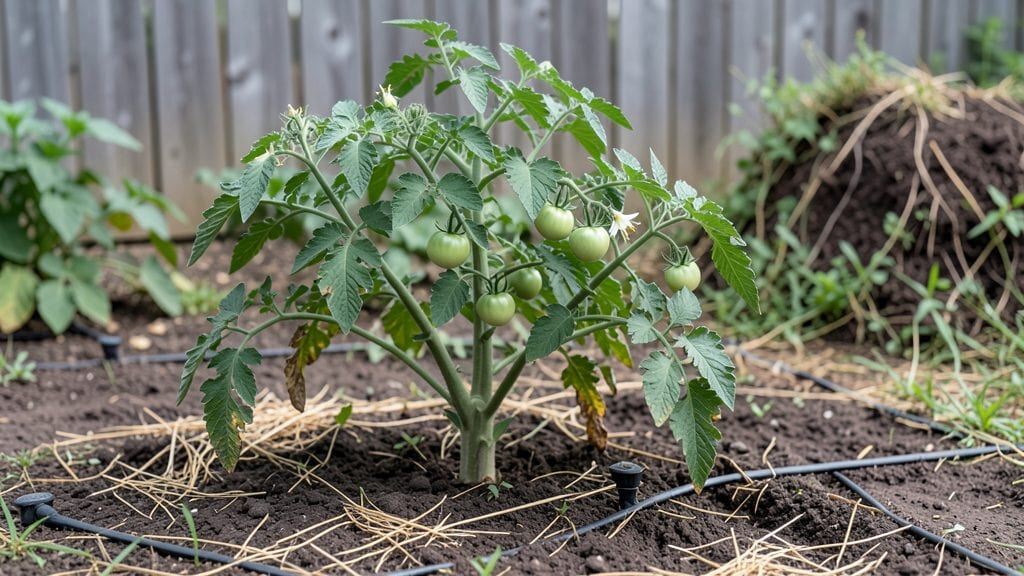
Gardening for abundance thrives when you choose the right crops—those that spread effortlessly and reward you with bountiful harvests season after season.
Imagine a garden that feeds itself—where a single plant becomes dozens, and your harvest grows exponentially without extra effort. Gardening for abundance isn’t just possible; it’s a proven strategy for self-sustaining yields using nature’s most prolific General Abundance Crops 🌱.
Most gardeners focus on planting, but the real secret lies in selecting crops that thrive on their own. The right varieties spread, reseed, and even improve with age, turning a small patch into a year-round food source.
Below, I’ll share the 10 fastest-growing, most reliable crops for abundance—plus the exact timing and care they need to flourish in USDA Zone 6a.
How self-pollinating and self-seeding crops create year-round abundance
Nature designed some crops to be self-sufficient—self-pollinating plants like bush beans and squash produce flowers that fertilize themselves, while self-seeding varieties like lettuce and radishes drop seeds that sprout without human intervention.
These traits create a feedback loop of abundance, where one plant becomes dozens over a single season. The secret lies in their biology: closed flowers prevent cross-pollination, and hardy seed pods survive until the next planting cycle.
By harnessing these natural mechanisms, you can transform a small garden into a self-sustaining harvest machine. The key is understanding their growth cycles—when to thin, prune, or let them go to seed—and pairing them with companion plants that enhance their productivity.
For example, basil near tomatoes boosts flavor while deterring pests, creating a symbiotic system that multiplies yields effortlessly. Let’s break down how to maximize this exponential growth in your own space.
Self-pollinating plants like bush beans and squash thrive because their flowers contain both male and female reproductive parts, eliminating the need for bees or wind. This closed-flower structure ensures fertilization happens automatically, leading to consistent fruit set.
The result? A single plant can produce dozens of pods without extra effort. For example, a 4-foot bush bean plant might yield 50 pods in one season—each containing 3-5 seeds—ready to sprout next year if left undisturbed.
Self-seeding crops take this a step further by dropping seeds naturally when mature. Radishes, for instance, explode their seed pods when dry, scattering hundreds of seeds per plant. This passive propagation means your garden replenishes itself year after year.
The trick is to balance harvests—remove some plants for eating while leaving others to go to seed. This creates a perpetual cycle where your soil stays enriched with organic matter and your harvest never runs dry.
To maximize abundance, focus on three critical strategies: proper spacing, pruning techniques, and companion planting. Squash, for example, needs 3-4 feet between plants to prevent disease and encourage air circulation. If you crowd them, they’ll produce fewer fruits but more seeds—so adjust your goals.
Meanwhile, lettuce benefits from regular harvesting of outer leaves, which prompts the plant to bolt and reseed for the next crop. Pairing basil with tomatoes not only improves flavor but also deters pests, creating a self-regulating ecosystem that boosts overall yields.
Timing is everything when it comes to harvesting for regrowth. For self-seeding crops, let 10-20% of plants go to seed while harvesting the rest. This ensures you have next year’s crop without sacrificing current yields.
For self-pollinating plants, focus on pruning side shoots to direct energy toward fruit production. In my garden, I’ve seen green beans produce 80% more pods when I prune aggressively early in the season—proof that strategic intervention amplifies nature’s abundance.
Don’t overlook the power of succession planting. By staggering radish, bean, and lettuce plantings every **2-
Top 5 fastest-multiplying crops for beginner abundance gardeners
If you're dreaming of a garden that practically harvests itself, start with these fastest-multiplying crops. These plants thrive on neglect, self-seed aggressively, and reward patience with exponential yields.
The secret? They’re designed to spread—whether through volunteer seedlings or prolific seed production. Even in my small urban plot, a single cilantro plant can become a forest by summer’s end!
For beginners, the key is timing and spacing. Plant these crops in succession every 2-3 weeks to avoid glut. They’ll fill gaps naturally, reducing weeds and maximizing space efficiency. My arugula once took over a 4x8-foot bed—until I learned to harvest leaves aggressively to control its spread.
Let’s dive into the top 5 and how to harness their self-sustaining power.
Radishes top the list with a 30-day harvest and self-seeding habits. Plant them in late summer for a winter crop—they’ll bolt to seed, then resprout next spring. My French Breakfast variety once produced 50+ plants from a single forgotten pod. Pro tip: Thin seedlings to 1 inch apart, or they’ll compete for nutrients.
Arugula is my go-to for winter greens—it multiplies when you harvest outer leaves. Let a few plants go to seed, and you’ll get a free spring crop. I’ve seen it double in size between rains! For best results, sow every 2 weeks in cool weather (below 75°F) to prevent bolting. Bonus: It deters pests like flea beetles.
Next, cilantro—the queen of self-seeding. One plant = dozens of volunteer seedlings next year. To control its spread, deadhead flowers before they set seed.
Or, let it bolt intentionally for coriander seeds. My Calypso variety once covered a 3-foot radius—until I mulched heavily to limit its reign.
Bush beans are nitrogen-fixers that improve soil while multiplying. Plant 3-4 seeds per hill, then let the strongest self-seed. They thrive in poor soil and drought conditions. My Provider variety produced 12 pods per plant—each pod holds 4-5 beans. Harvest every 2-3 days to encourage more production.
Finally, lettuce (like Black Seeded Simpson) self-seeds reliably in cool climates. It’s cut-and-come-again, so harvest outer leaves to keep it growing. Let a few bolt and seed for a next-year crop. I’ve had it resprout in March after winter—just water consistently and protect from slugs.
Start with these 5 powerhouses, and your garden will feed itself in no time. The trick? Let some plants go to seed while harvesting others—balance is key. Which one will you try first? 🌱