
Planting
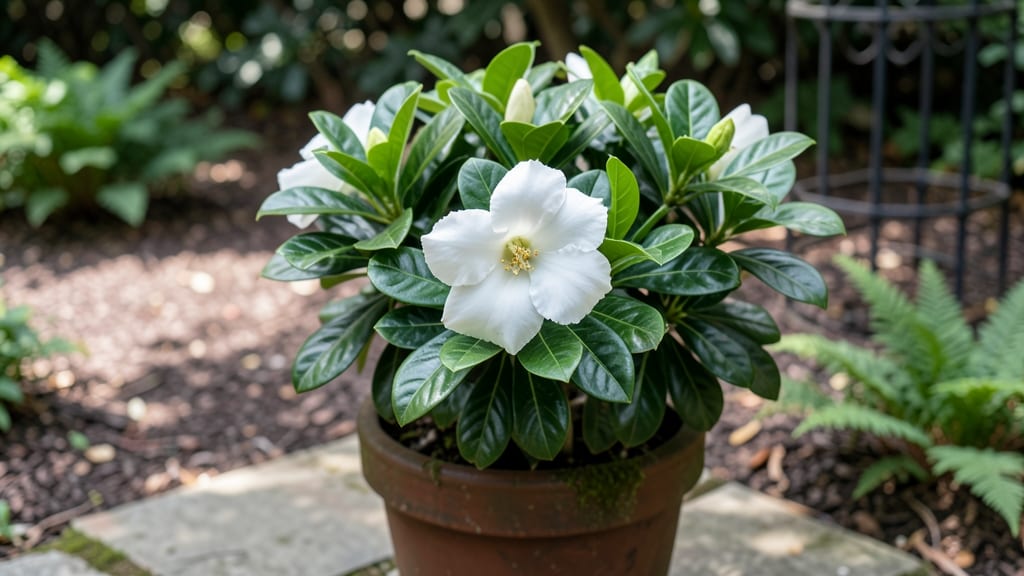
Gardenias flourish in Zone 9 thanks to its mild winters and warm summers, but they need partial shade, acidic soil (pH 4.5–6.0), and protection from intense afternoon sun. Prune after blooming, fertilize monthly with acid-loving plant food, and monitor for pests like aphids or whiteflies to keep those fragrant blooms coming all year.
Zone 9's climate is actually perfect for gardenias—they love the warmth but hate direct sun, which can scorch their delicate leaves. 🌿 The key is mimicking their natural tropical habitat by keeping soil moist (not soggy) and providing dappled light.
I've seen gardenias in my own backyard produce nonstop blooms when given these conditions, even during the hottest summer months.
What sets Zone 9 apart is the need for seasonal adjustments. While other zones might struggle with winter dormancy, gardenias here can bloom year-round if you maintain consistent care. The real challenge comes in summer—overwatering or letting soil dry out too much can stress the plant and reduce flowering.
That's why I recommend checking soil moisture weekly and adjusting watering based on rainfall patterns.
💡 In This Article
- Optimal Growing Conditions for Gardenias in Zone 9
- Seasonal Care Schedule for Year-Round Gardenia Blooms
Optimal growing conditions for gardenias in Zone 9
Zone 9's climate mimics gardenias' native tropical environment, but the key difference is managing intense summer heat. These plants thrive in temperatures between 65-85°F, but prolonged exposure above 90°F stresses them, causing leaf drop or bud drop.
The solution? Provide 30-50% shade during peak afternoon sun (12-4 PM) using sheer curtains or shade cloth. This mimics their natural forest understory habitat where dappled light filters through canopy leaves.
The soil's acidity is non-negotiable—gardenia roots prefer a pH range of 4.5-6.0, which mimics their native acidic forest floors. In Zone 9's alkaline soils, you'll need to amend with peat moss or sulfur (1-2 pounds per planting hole) to maintain this level.
The roots also need excellent drainage; waterlogged soil leads to root rot, which is why raised beds or mounds work well in heavy clay soils common to Zone 9.
Humidity is where Zone 9 shines—natural summer moisture levels (60-70%) prevent the bud drop that plagues gardenias in drier climates. To boost humidity around your plant, place it near a water feature or use a humidifier on low setting during dry spells.
The fragrant blooms themselves release moisture through transpiration, creating a microclimate that encourages continuous flowering when other conditions are met.
Light exposure directly impacts blooming cycles. Gardenias need 4-6 hours of morning sun for photosynthesis but will drop buds if exposed to more than 2 hours of direct afternoon sun. In my experience, east-facing locations work best, while west-facing spots require additional shade.
The trade-off? Too little light (under 4 hours) results in sparse blooms and leggy growth. Finding this balance is why many gardeners use adjustable shade sails that can be raised in cooler months.
Watering frequency changes with seasons—1-2 inches per week during summer, but only ½ inch in winter. The key is keeping the root zone consistently moist (like a wrung-out sponge) without waterlogging.
In Zone 9's heat, I've found mulching with 3-4 inches of pine bark retains moisture while slowly releasing nutrients. This mimics the natural leaf litter in their tropical habitats and helps maintain that critical soil acidity.
One often-overlooked factor is air circulation. Gardenias need gentle breeze to prevent fungal diseases like powdery mildew, which thrives in Zone 9's humid summers. Position your plant where it gets light airflow (like near a window with a fan on low) but avoid strong winds that can damage delicate blooms.
This balance is why gardeners often place them near patios where they benefit from natural air movement without direct wind exposure.