
Aphids
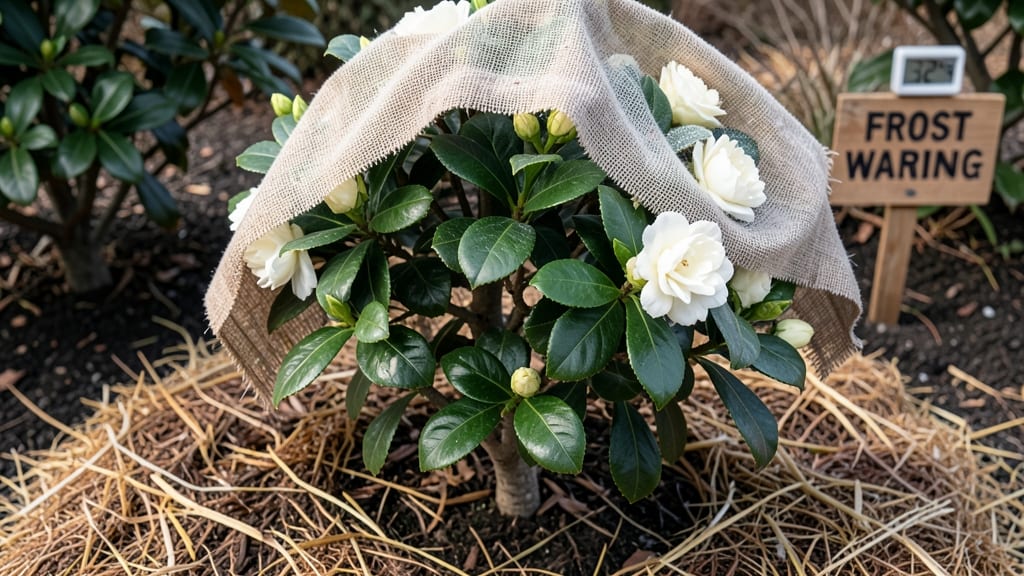
Determining if gardenias are winter hardy depends on the variety—most gardenias are not frost-tolerant and need protection when temperatures drop below 30°F (-1°C). However, some cold-hardy types like Gardenia jasminoides 'Radicans' can handle brief dips to 15°F (-9°C) with proper winter prep. Strategic mulching, container overwintering, and frost blankets are key for survival in colder climates.
Gardenia plants thrive in warm climates, making them particularly vulnerable to winter damage.
The key to their survival in colder regions lies in understanding their specific cold tolerance thresholds and implementing protective measures tailored to your local climate zone. 🌱 For instance, while most gardenias will suffer damage in Zone 7 without protection, the 'Radicans' variety offers a glimmer of hope for gardeners in transitional zones.
The difference comes down to their genetic makeup—some gardenias have evolved to handle milder frosts, but all benefit from a thick layer of mulch and wind protection.
Even the hardiest gardenias require careful winter planning. If you're in Zone 8 or below, consider potting your gardenias and moving them to a sheltered location, like a garage or basement, where temperatures stay above freezing.
For in-ground plants, wrapping the base with burlap and adding a 4-6 inch mulch layer can make a significant difference. The goal is to insulate the roots while allowing airflow to prevent rot—a common issue when gardenias are smothered in winter.
💡 In This Article
- Cold Tolerance Limits of Different Gardenia Varieties
- Zone-Specific Strategies to Protect Gardenias in Winter
Cold tolerance limits of different gardenia varieties
The cold tolerance of gardenias varies dramatically between species and cultivars, primarily due to differences in their natural habitats and genetic adaptations. Gardenia jasminoides, the most common ornamental variety, typically thrives in USDA Zones 8-11, where winter temperatures rarely drop below 30°F (-1°C).
However, certain cultivars like 'Radicans' and 'Kleim's Hardy' have been selectively bred to extend this range slightly, allowing them to survive brief exposures to 15°F (-9°C)—though prolonged cold will still cause damage.
The key difference lies in their evergreen nature; unlike deciduous plants that shed leaves to conserve energy, gardenias maintain foliage year-round, which makes them more vulnerable to cold stress.
What sets hardier gardenias apart is their ability to produce a protective layer of wax on their leaves, which helps reduce water loss and insulate the plant during cold snaps. For example, 'Radicans' develops a thicker cuticle than standard varieties, allowing it to endure milder frosts.
However, this protection isn't foolproof—even these cold-tolerant types will suffer leaf burn or dieback if temperatures remain below freezing for more than 24 hours. Younger plants are particularly susceptible, as their root systems aren't fully developed to absorb moisture and nutrients during winter dormancy.
Another critical factor is the plant's maturity. Mature gardenias with established root systems can better withstand cold temperatures than young specimens, thanks to their larger canopy and deeper roots.
A 3-5 year-old gardenia might tolerate a 20°F (-7°C) dip with proper mulching, while a 1-year-old plant would likely suffer irreversible damage. This is why gardeners in transitional zones (like Zone 7b) often prioritize mature plants or use container gardening to move younger specimens indoors during winter.
Scientifically, gardenias' cold sensitivity stems from their tropical origins, where they evolved in environments with consistent warmth and high humidity. Their cells contain high levels of water, which freezes and expands during frost, rupturing cell walls—a process called cryoinjury.
The hardiest varieties have developed mechanisms to slow this damage, but none are truly frost-resistant. For comparison, a 10°F (-12°C) freeze will kill most gardenias within hours, while a 25°F (-4°C) night might cause only superficial leaf damage if followed by a quick thaw.
If you're growing gardenias in colder climates, consider these variety-specific strategies: Plant 'Radicans' or 'Kleim's Hardy' in sheltered microclimates, like near south-facing walls, where they can benefit from reflected sunlight.
For other varieties, combine cold protection with strategic placement—avoid low-lying areas where cold air pools, and ensure the soil drains well to prevent root rot from excess moisture.