
How To
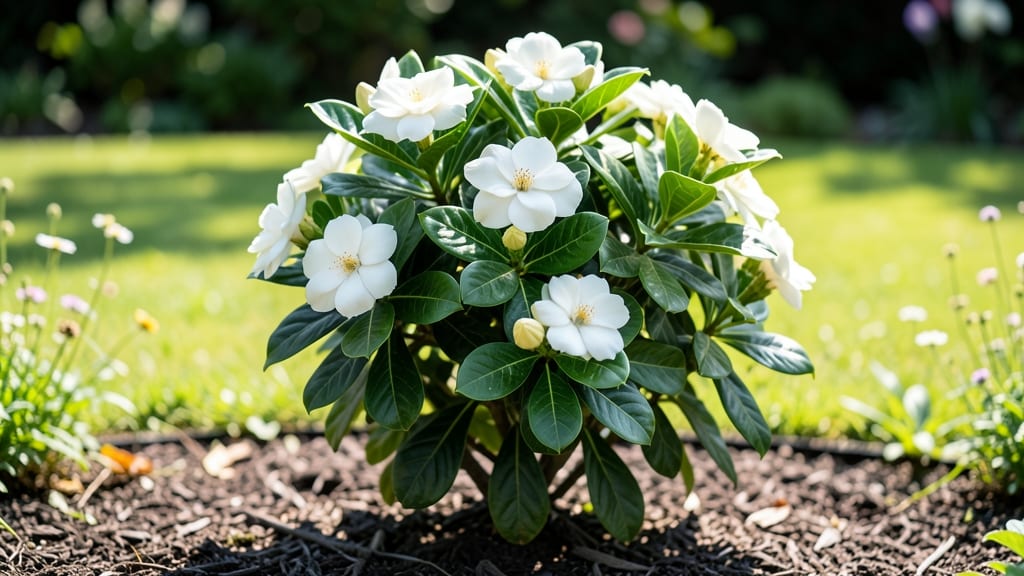
Gardenias can grow anywhere from 3 feet to towering 6 feet tall, depending on the variety and growing conditions you provide 🌸.
If you’re dreaming of fragrant gardenias but wondering whether they’ll dwarf your backyard or fit perfectly in a container, their height can make all the difference—especially since varieties range from compact shrubs to towering small trees.
Some gardenias, like the popular Gardenia jasminoides, naturally stay on the shorter side, making them ideal for patios or balconies, while others, such as Gardenia radicans, can stretch taller if given the right care.
In this guide, I’ll break down the height ranges by variety, share tips for controlling growth, and help you choose the perfect gardenia for your space—whether you want a neat hedge or a showstopping centerpiece.


Gardenia height ranges by variety: from dwarf to tree-sized
Choosing a gardenia isn’t just about fragrance—it’s about space! These tropical beauties come in sizes that range from compact patio plants to towering landscape shrubs.
The Gardenia jasminoides, the most popular type, can grow anywhere from 3 to 6 feet tall depending on the variety, while some rare species like Gardenia augusta can reach 10 feet or more in ideal conditions.
Understanding these height ranges helps you select the perfect plant for your garden design.
If you’re working with limited space, dwarf varieties like ‘Radicans’ or ‘Kleim’s Hardy’ stay under 3 feet, making them ideal for containers or small balconies.
On the other hand, if you’re aiming for a privacy screen or hedge, taller varieties like ‘Veitchii’ or ‘Fortuniana’ can grow up to 10 feet tall with proper care. Let’s break down the specifics so you can make an informed choice.
🌱 Did You Know? Gardenias grow slowly—expect only 6 to 12 inches of growth per year—so their mature height is a long-term investment. Patience pays off with their glossy foliage and intoxicating blooms!
| Variety | Mature Height Range | Best For | Notes |
|---|---|---|---|
| Gardenia jasminoides (Standard) | 3–6 feet | Landscapes, borders | Most common; needs pruning for compact shape |
| Gardenia jasminoides ‘Radicans’ | 1–3 feet | Containers, patios | Trailing habit; great for hanging baskets |
| Gardenia jasminoides ‘Kleim’s Hardy’ | 2–4 feet | Cold-hardy zones, small gardens | Tolerates USDA Zone 6 with winter protection |
| Gardenia augusta | 6–10 feet | Tropical landscapes, privacy screens | Large leaves; thrives in humidity |
| Gardenia fortuniana | 8–12 feet | Tall hedges, large estates | Fast-growing; needs regular pruning |
| Gardenia veitchii | 4–8 feet | Specimen plants, mixed borders | Fragrant blooms; prefers partial shade |
| Gardenia ‘Fortuniana Superba’ | 6–10 feet | Tropical gardens, large containers | Dark green foliage; needs acidic soil |
The Gardenia jasminoides is the most versatile, with varieties suited for almost any space. For example, the ‘Radicans’ variety is perfect for hanging baskets or window boxes, while the standard ‘Mystery’ or ‘Kleim’s Hardy’ thrive in garden beds.
If you’re in a warmer climate (Zones 8-11), you can even grow gardenias as small trees, with some varieties reaching 12 feet or taller with minimal pruning.
For container gardening, stick to dwarf varieties like ‘Radicans’ or ‘Kleim’s Hardy’. These stay under 3 feet tall and fit beautifully in 15-gallon pots or larger. Just ensure your container has drainage holes and use a lightweight potting mix to prevent root rot.
If you’re planting in the ground, give taller varieties like ‘Veitchii’ or ‘Fortuniana’ plenty of space—they can spread 3 to 5 feet wide at maturity.
One common mistake is assuming all gardenias grow the same size. ‘Augusta’ and ‘Fortuniana’ are tree-sized and need room to stretch their branches, while ‘Radicans’ is a trailing shrub perfect for vertical gardens.
Always check the mature height range before purchasing, especially if you’re working with a small urban garden or balcony.
If you’re unsure which variety to choose, consider your garden’s layout and sunlight conditions. Dwarf varieties thrive in containers or partial shade, while taller types need full sun and space to grow.
For instance, planting a 6-foot ‘Veitchii’ near a 3-foot ‘Radicans’ creates a stunning height contrast in your landscape design.
Pro tip: Prune gardenias in late winter or early spring to control height and shape. Cut back overgrown branches by one-third to encourage bushier growth. This is especially useful for standard varieties that tend to grow leggy. Regular pruning also helps maintain their compact form in containers.
Whether you’re a beginner gard
Factors that influence gardenia growth height (and how to control it)
Gardenia height isn’t just about genetics—it’s a mix of environmental factors and care choices you make. The Gardenia jasminoides, for example, can stretch from 3 to 6 feet if left unchecked, but with the right techniques, you can keep it compact and manageable.
Understanding these variables lets you shape your gardenia’s growth to fit your space, whether that’s a balcony container or a backyard border.
Sunlight exposure is one of the biggest height influencers. Gardenias thrive in partial shade (4-6 hours of morning sun), but too much direct sunlight can spur rapid vertical growth and leggy stems.
In hot climates, afternoon shade becomes even more critical to prevent overgrowth and stress. Meanwhile, low-light conditions may stunt growth entirely, leaving you with a smaller but weaker plant.
Soil pH plays a hidden but crucial role too. Gardenias demand acidic soil (pH 5.0-6.5). If your soil is alkaline, nutrients like iron and phosphorus become unavailable, leading to poor growth and reduced height.
Amending with peat moss or sulfur can correct this, but neglecting pH can leave your gardenia stunted or prone to disease, further limiting its potential height.
Container gardening offers another way to limit gardenia height. Root-bound plants grow slower because their roots can’t expand, but this also means they need frequent repotting (every 2-3 years) to prevent stunted growth.
Choose containers with drainage holes and acidic potting mix to mimic ideal soil conditions. Without proper care, container gardenias may outgrow their pots, leading to root circling and poor health.
Pruning is your most direct tool for height control. Always prune after flowering (late summer to early fall) to avoid cutting off next year’s blooms. Use clean, sharp shears to make cuts just above a leaf node, and never remove more than 1/3 of the plant at once.
For compact growth, pinch back new shoots in spring to encourage bushier, shorter branches. Over-pruning can stress the plant, though, so balance is key.
Climate matters too. Gardenias in USDA Zones 7-10 grow faster with longer growing seasons, while those in cooler zones (6a-6b) may stay smaller due to shorter summers. In humid climates, focus on air circulation to prevent fungal issues that can weaken growth.
Meanwhile, in dry areas, deep watering (1-2 times per week) ensures steady growth without sudden height spikes.
With these factors in mind, you can shape your gardenia’s height to suit your space. Whether you want a topiary-style shrub or a tall privacy screen, the key is consistent care—from sunlight management to pruning timing.
Start with the right variety for your goals, and your gardenia will thrive at the perfect height. 🌿