
Size
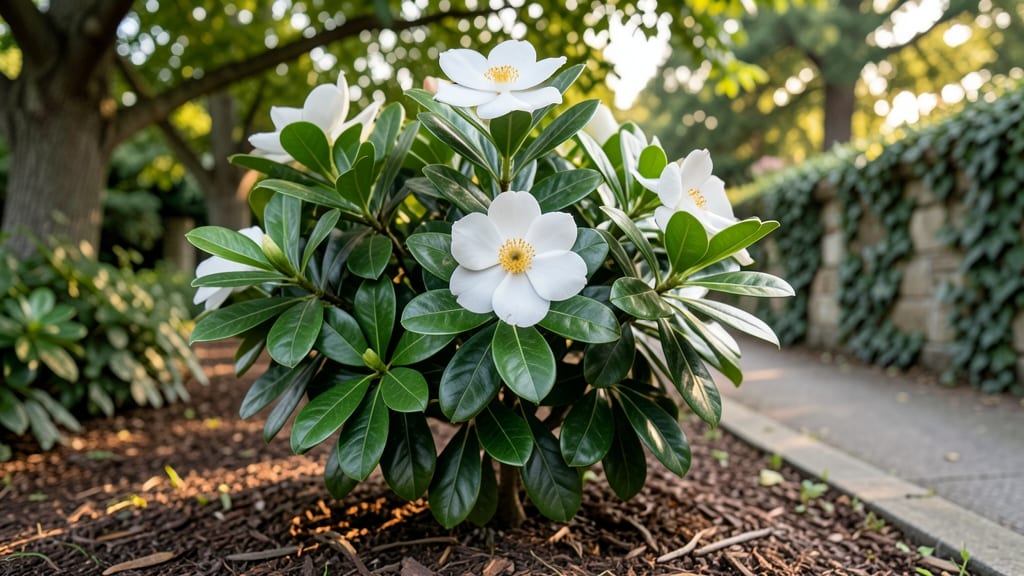
A gardenia shrub’s size can transform your garden from a fragrant corner to a bold centerpiece—or leave you with a shrub that outgrows its welcome in just a few years.
If you’re dreaming of fragrant, glossy-leaved gardenias but unsure which variety fits your space, size matters more than you think—some grow like compact bushes while others stretch into towering shrubs.
On average, mature gardenias 🌸 reach 4 to 6 feet tall and spread 3 to 5 feet wide, but dwarf varieties stay under 3 feet, making them perfect for small yards or containers.
The right choice depends on your garden’s layout, sunlight, and how much pruning you’re willing to do.
In this guide, I’ll break down the height and spread of popular varieties, how to control growth through pruning, and which types thrive in tight spaces versus open landscapes—so you can pick the perfect gardenia for your vision.


Gardenia shrub size by variety: height and spread guide
Choosing the right gardenia variety depends heavily on your space—whether you have a cozy patio or a sprawling backyard. Gardenia jasminoides, the most common type, comes in sizes ranging from compact dwarf varieties to tall statement shrubs.
Understanding these dimensions helps you plan spacing, pruning, and even container gardening for fragrant blooms year after year.
Most gardenias grow at a moderate pace, with noticeable height increases in their first 3 years. Dwarf varieties like 'Kleim's Hardy' stay under 3 feet tall, making them perfect for small gardens or containers, while standard varieties like 'Radicans' can reach 6 feet or taller with proper care.
The spread is equally important—some varieties widen as much as they grow upward!
Here’s a quick comparison to help you visualize how each variety fits into your garden layout:
If you’re working with a small garden or containers, prioritize dwarf varieties like 'Kleim's Hardy' or 'August Beauty'. These stay under 3 feet tall and spread 2–3 feet wide, making them ideal for patios, balconies, or window boxes.
Their slower growth also means less pruning, which is great for beginners.
For larger landscapes or privacy screens, 'Radicans' and 'Fortuniana' are top picks. 'Radicans' grows 4–6 feet tall with a 3–5 foot spread, creating a lush, fragrant barrier. Meanwhile, 'Fortuniana' can reach 8 feet tall—perfect for woodland gardens or as a focal point near decks or pergolas.
Growth rates vary by variety and climate. In warmer zones (USDA 8–10), gardenias grow faster, while cooler zones (USDA 6–7) may see slower growth.
For example, 'Veitchii' thrives in humid climates with moderate to fast growth, while 'Kleim's Hardy' adapts better to drier, cooler conditions with a slower pace.
When planning your garden layout, account for mature spread as much as height. A 6-foot-tall gardenia with a 5-foot spread needs at least 6 feet of space on all sides to avoid overcrowding.
In containers, choose varieties like 'August Beauty' and ensure the pot is at least 18–24 inches wide to accommodate root growth.
Pro tip: If you love the look of a tall gardenia but lack space, prune regularly to control height. Light pruning after blooming encourages bushier growth, while hard pruning in late winter keeps taller varieties manageable. Just avoid heavy pruning in summer, as it can reduce next year’s flowers.
For container gardening, select dwarf or semi-dwarf varieties and use well-draining, acidic soil mixed with compost. Place containers in partial shade (morning sun is ideal) and water deeply every
How to control gardenia shrub size through pruning and care
Keeping your gardenia shrub at the perfect size takes a little strategy, especially since some varieties can grow 6 feet tall or more. The key is understanding when and how to prune, combined with consistent care to encourage healthy growth in the direction you want.
Whether you're working with a compact dwarf variety or a standard-sized shrub, these techniques will help you shape your gardenia without sacrificing its beauty or blooms.
Timing is everything when it comes to pruning gardenias. The best time to shape your shrub is right after it finishes blooming in late spring or early summer. This allows you to remove spent flowers while encouraging new growth for the next season.
Avoid heavy pruning in fall or winter, as this can stress the plant when it's already preparing for dormancy.
For dwarf varieties, you'll want to focus on light maintenance pruning throughout the growing season to keep them contained. Standard varieties, however, may need more aggressive shaping to maintain their size.
Always use clean, sharp pruning shears to make 45-degree cuts just above a leaf node or bud to promote bushier growth.
Seasonal care plays a crucial role in managing your gardenia's size. In spring, focus on fertilizing with an acid-loving plant food to promote lush growth. During summer, monitor watering closely—overwatering can lead to leggy growth, while underwatering can stress the plant and stunt its development.
Mulch around the base of your shrub to retain moisture and regulate soil temperature.
For standard varieties, consider implementing a two-tiered pruning approach: light pruning after each bloom cycle to maintain shape, and a more structured pruning session in early summer to control overall size.
This method helps you gradually shape the shrub while minimizing stress. Always step back and assess your gardenia from different angles to ensure balanced growth.
Container-grown gardenias benefit from regular root pruning during repotting to encourage a more compact form. When repotting, trim the outer 1/3 of the roots and prune back any overly long stems by about 1/4 of their length.
This technique works wonders for keeping potted gardenias manageable while still producing abundant blooms.
Remember that gardenias respond well to gentle, consistent care rather than drastic measures. With the right combination of timely pruning, seasonal maintenance, and proper feeding, you can keep your gardenia shrub at your desired size while enjoying its lush foliage and intoxicating fragrance all season long. 🌿