
Pests
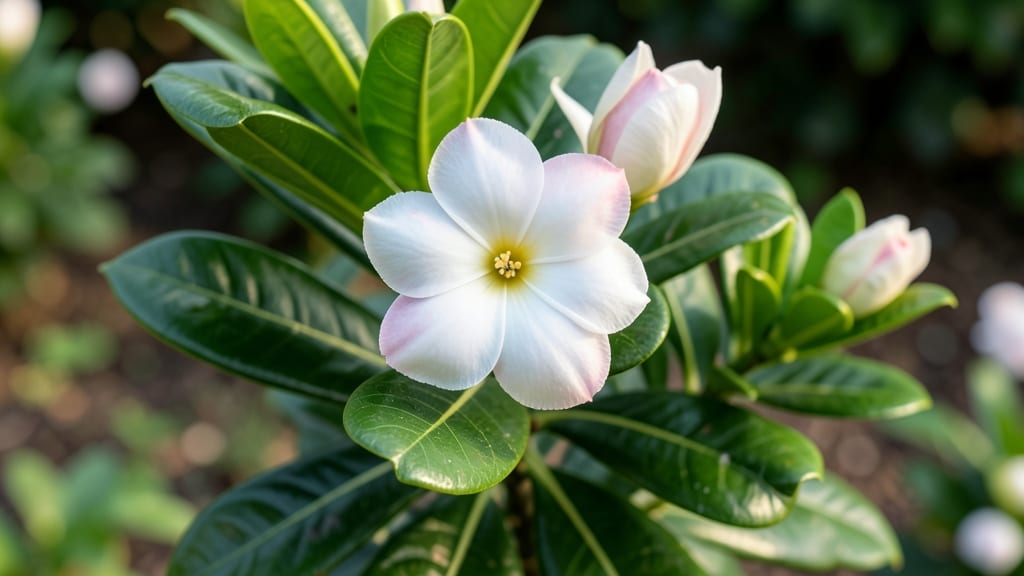
Making gardenias deer resistant requires strategic planting in raised beds or containers, pairing them with repellent plants like lavender or marigolds, and using natural sprays containing garlic, hot peppers, or predator urine. Installing physical barriers such as fencing creates an additional protective layer.
Deer often target gardenias because their tender leaves and sweet fragrance make them irresistible snacks. 🌿 The key is combining multiple defense strategies—physical barriers like fencing (at least 6-8 feet tall) disrupt their browsing patterns, while companion plants release scents that deer avoid.
Natural sprays work best when reapplied every 2-3 weeks, especially after rain. I’ve found that mixing 1 tablespoon of cayenne pepper with 1 gallon of water creates an effective homemade deterrent that’s safe for plants but unpleasant for deer.
For container gardening, choose pots with 12-inch deep bases to accommodate root growth while keeping gardenias elevated off the ground—deer are less likely to investigate. 🌱 Another pro tip: place containers near windbreaks or along property edges where deer are less likely to wander.
The combination of elevated planting, strategic companion plants, and regular repellent applications creates a multi-layered defense system that significantly reduces deer damage.
💡 In This Article
- Why Deer Target Gardenias and How to Break Their Preference
- Top Physical and Natural Barriers for Protecting Gardenias
Why deer target gardenias and how to break their preference
Deer are naturally drawn to gardenias because their tender, glossy leaves and intensely fragrant white blossoms mimic the scent and texture of their preferred wild foods. 🌿 Gardenias contain natural oils that deer associate with high-moisture, nutrient-rich vegetation—similar to clover or young shoots.
Studies show deer have an acute sense of smell (up to 10,000 times more sensitive than humans) and are particularly attracted to plants with volatile organic compounds (VOCs) like those in gardenia flowers, which can travel up to 100 feet in still air.
The soft, broad leaves of gardenias offer minimal resistance when bitten, making them an easy snack compared to tougher plants. Deer typically browse at dawn and dusk when temperatures are cooler (60-70°F), and gardenias' nocturnal fragrance peaks during these times, further signaling their availability.
The problem is compounded when gardenias are planted at ground level—deer can easily reach the foliage without standing, unlike taller shrubs that require them to expose themselves to predators.
Breaking this preference requires disrupting deer's sensory cues and feeding patterns. Companion plants like lavender emit strong aromatic oils that deer find overwhelming, while marigolds contain pyrethrin compounds that create a bitter taste. 🌱 The key is creating an environment where gardenias become less appealing than alternatives.
For example, planting rosemary or thyme around gardenias adds texture and scent variation that confuses deer, making them less likely to linger. Research from the University of Wisconsin shows that deer avoid areas where multiple repellent plants are clustered together, as the combined scents create sensory overload.
Natural sprays work by introducing unpleasant tastes or smells that deer associate with danger. Garlic-based sprays, for instance, contain allicin compounds that create a pungent odor deer find repulsive—similar to how wolves avoid areas sprayed with predator urine.
The effectiveness peaks when sprays are applied to both the foliage and soil around the plant, as deer often investigate ground-level vegetation before browsing. A 1:10 dilution of cayenne pepper in water creates capsaicin molecules that irritate deer's mouths, making them avoid treated plants for up to 3 weeks.
Physical elevation changes deer behavior by removing easy access. Gardenias in 12-inch deep containers placed on 6-inch platforms force deer to stand on hind legs to reach them—a vulnerable position that deters browsing. This works because deer prioritize safety over convenience, and elevated plants require more effort than ground-level options.
The same principle applies to fencing: deer will jump 6-foot fences but rarely attempt 8-foot barriers due to the energy expenditure and exposure risk.
What most gardeners overlook is the psychological factor—deer learn from experience. If a gardenia plant survives multiple encounters without damage, deer eventually lose interest and move on.
This is why combining physical barriers with repellent plants and natural sprays creates a multi-sensory deterrent that's far more effective than any single method alone. The goal isn't just to repel deer temporarily, but to train them to associate gardenias with discomfort or risk over time.