
Trees
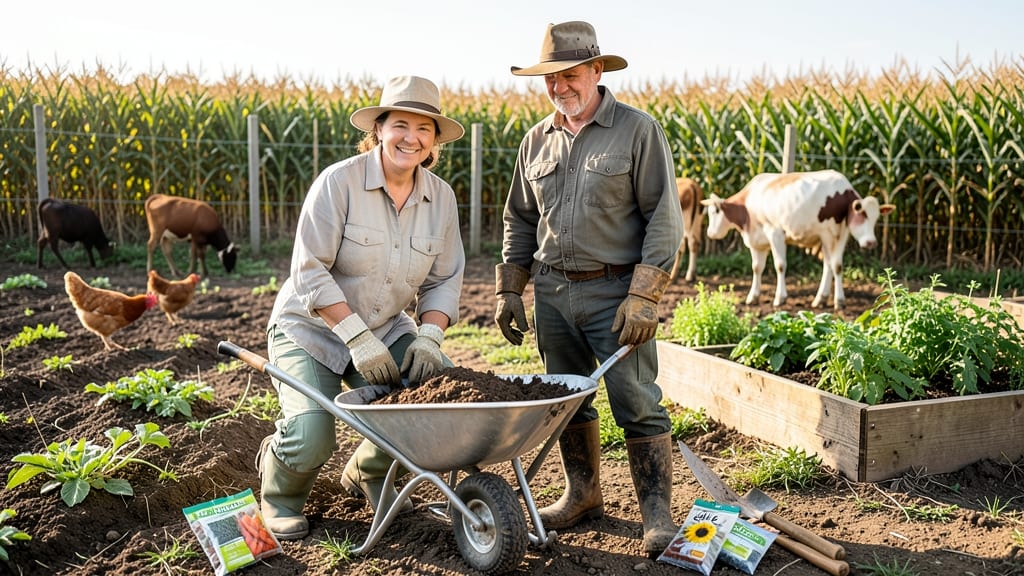
The difference between gardeners and farmers centers on their scale, goals, and techniques: gardeners tend small plots for personal enjoyment or decorative purposes, while farmers cultivate large-scale agricultural operations for commercial production and profit.
The core distinction starts with land use—gardeners often work in backyard plots or containers, while farmers manage acres of land. 🌱 Gardeners focus on aesthetics, fresh produce for family meals, or even therapeutic plant care, whereas farmers prioritize yield, efficiency, and market demand.
For example, a gardener might grow heirloom tomatoes for salads, while a farmer cultivates thousands of pounds of hybrid varieties for grocery stores.
Tools and methods also diverge: gardeners use hand tools like trowels and hand watering cans, while farmers rely on tractors, irrigation systems, and precision equipment.
Soil management differs too—gardeners often amend soil with compost for beauty or flavor, while farmers focus on large-scale fertilization and crop rotation for sustainability and productivity.
💡 In This Article
- Scale and Purpose: Gardening vs Farming Goals
- Practical Techniques: Tools and Methods for Gardeners and Farmers
Scale and purpose: gardening vs farming goals
At its heart, the gardener-farmer divide begins with land size and emotional investment. Gardeners typically work with 100-500 square feet of space—often in raised beds, containers, or backyard plots—whereas farmers manage 5+ acres or larger, with some operations spanning thousands of acres.
This scale difference directly impacts their goals: gardeners prioritize personal satisfaction, aesthetic beauty, or fresh produce for family meals, while farmers focus on maximizing yield, efficiency, and profitability to sustain their livelihoods.
The sensory experience of each practice also reveals their core purposes.
A gardener's hands-on connection to their plants creates a tactile joy—feeling the texture of a ripe tomato or smelling fresh herbs—while a farmer's relationship with their crops is more transactional, centered on data like yield per acre or market demand.
For instance, a gardener might grow 20 heirloom tomato plants for summer salads, while a farmer cultivates 50,000 hybrid plants optimized for shelf life and transport.
Profit plays a dramatically different role in each practice. Gardeners rarely monetize their work beyond selling excess produce at farmers' markets, while farmers depend on income from their crops to cover expenses like equipment, labor, and land costs.
This economic pressure shapes farming decisions—like choosing high-yield crops over heirloom varieties—and explains why farmers often use genetically modified seeds designed for disease resistance and productivity.
Another key distinction lies in their relationship with nature's unpredictability. Gardeners can adapt quickly to weather changes or pest issues, perhaps handpicking caterpillars off their roses or moving containers to sunnier spots.
Farmers, however, must plan for large-scale risks like droughts or pests that could devastate entire crops, often using irrigation systems or crop rotation to mitigate these threats on a massive scale.
Consider the example of soil management: a gardener might spend hours turning compost into their backyard plot to create rich, flavorful vegetables, while a farmer uses precision agriculture tools to apply fertilizer based on soil sensors that analyze nutrient levels across hundreds of acres.
Both approaches achieve different goals—one for personal nourishment, the other for commercial success—but both require deep knowledge of plant biology and environmental conditions.
The tools they use further highlight these differences. A gardener's toolkit might include a hand trowel, pruners, and a watering can, while a farmer relies on tractors, GPS-guided planters, and automated irrigation systems.
These tools reflect their scale: gardeners work at human scale, while farmers operate at industrial levels where efficiency and technology drive productivity.
Ultimately, the choice between gardening and farming often comes down to lifestyle preferences. Gardeners embrace the slow, rewarding process of nurturing plants for personal enjoyment, while farmers accept the challenges of large-scale production to feed communities or generate income.
Both roles play vital parts in our food system, just at different scales and with different priorities. 🌱