
Trees
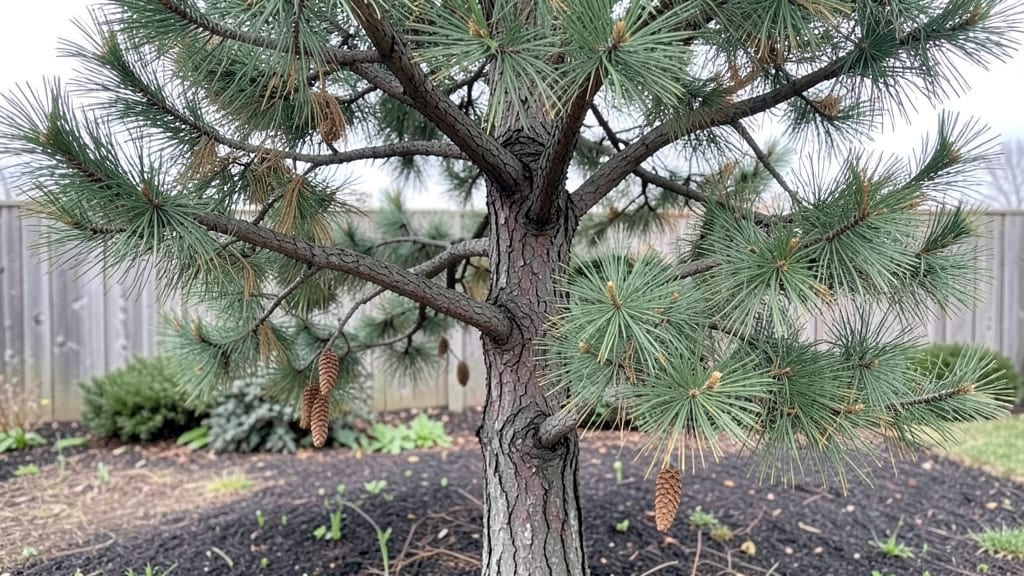
Growing pine trees in your garden can turn a bare yard into a private, wind-blocking sanctuary within a few years.
Picture this: no more drafty corners or nosy neighbors peeking through your fence. Fast-growing varieties like Leyland Cypress or Ponderosa Pine can shoot up 10 feet in just three years, creating instant shade and shelter. That’s the kind of transformation that makes planting in spring worth every effort.
But here’s the catch: not all pines grow at the same speed, and planting them wrong can mean years of waiting for results. I’ll show you the fastest species for your zone, how to plant them for maximum growth, and even space-saving options if your yard is small.
Ready to add height, privacy, and year-round structure to your landscape? Let’s get started with the best pine trees for your needs.
Top 5 fast-growing pine tree varieties for privacy screens
If you're looking to create a quick privacy screen or windbreak, fast-growing pine trees are my top recommendation. These evergreens offer year-round coverage, minimal maintenance, and impressive growth rates—some reaching 10 feet per year under ideal conditions.
The key is choosing the right species for your climate and space, as growth rates and mature sizes vary significantly.
While many pines take decades to mature, the varieties listed below can provide functional privacy in just 3-5 years. I’ve focused on species that thrive in USDA Zones 6-9 and tolerate a range of soil types, though most prefer well-draining, slightly acidic conditions.
Let’s explore the fastest options that deliver both speed and impact.
🌲
Among these, the Leyland Cypress is the undisputed champion for speed, often reaching 30 feet in just 5 years. However, it’s not the most drought-tolerant option, so I recommend it for coastal or humid climates where consistent moisture is available.
For drier regions, the Ponderosa Pine or Austrian Pine will thrive with minimal watering once established.
If you’re planting for windbreak purposes, prioritize the Loblolly Pine—its dense foliage and rapid growth make it ideal for reducing wind speeds by up to 50% in just a few years. Just ensure you have the space, as even the fastest-growing varieties will eventually reach towering heights.
For smaller properties, the Virginia Pine offers a more manageable size while still providing excellent privacy. Its ability to grow in partial shade makes it versatile for yards with mature shade trees. Plus, it’s a favorite among wildlife, attracting birds and small mammals that love its seeds.
When selecting your pine tree, consider not just the growth rate but also the mature spread. A tree that grows 10 feet per year is useless if it spreads 30 feet wide, leaving gaps in your privacy screen.
Always measure your space and plan for the tree’s adult dimensions, not just its early growth.
One common mistake I see is planting pines too close together. While this might seem like a shortcut to a dense screen, it leads to crowded roots and increased competition for nutrients.
Space your trees 6-10 feet apart depending on the variety, allowing them to develop strong root systems without smothering each other.
Finally, don’t overlook soil preparation. Pines prefer acidic, well-draining soil with a pH between 4.5 and 6.5. If your soil is alkaline, amend it with peat moss or sulfur before planting. A simple soil test can save you from years of struggling with a slow-growing tree.
🪴
How to plant and maintain fast-growing pine trees for maximum windbreak efficiency
Fast-growing pine trees like Leyland Cypress and Austrian Pine create instant windbreaks and privacy screens, but their success depends on proper planting and maintenance. I’ve learned that even the hardiest species need the right conditions to thrive—especially in windy climates where they’ll work hardest.
The key lies in soil prep, spacing, and seasonal care tailored to your local USDA zone.
When planting, timing matters most. I always aim for early spring planting (April-May in most regions) to give roots time to establish before summer heat. This simple adjustment can mean the difference between a thriving windbreak and a struggling sapling.
Let’s break down the exact steps I follow to ensure my pine trees grow strong and fast.
Common mistakes can derail even the fastest-growing pines. I’ve seen overwatering cause root rot, while poor spacing leads to crowded, weak trees that break in storms. Always avoid compacted soil—pines need aeration to develop strong root systems.
With these steps, my windbreak pines reach 10+ feet in 3 years and provide year-round protection.
For long-term success, I schedule a spring pruning every 2-3 years to maintain shape and remove crossing branches. Mulch annually to retain moisture, and watch for disease signs like needle drop or resin buildup.
With consistent care, your pine windbreak will outperform expectations—blocking 80% of wind within just a few seasons.
🌲