
Landscaping
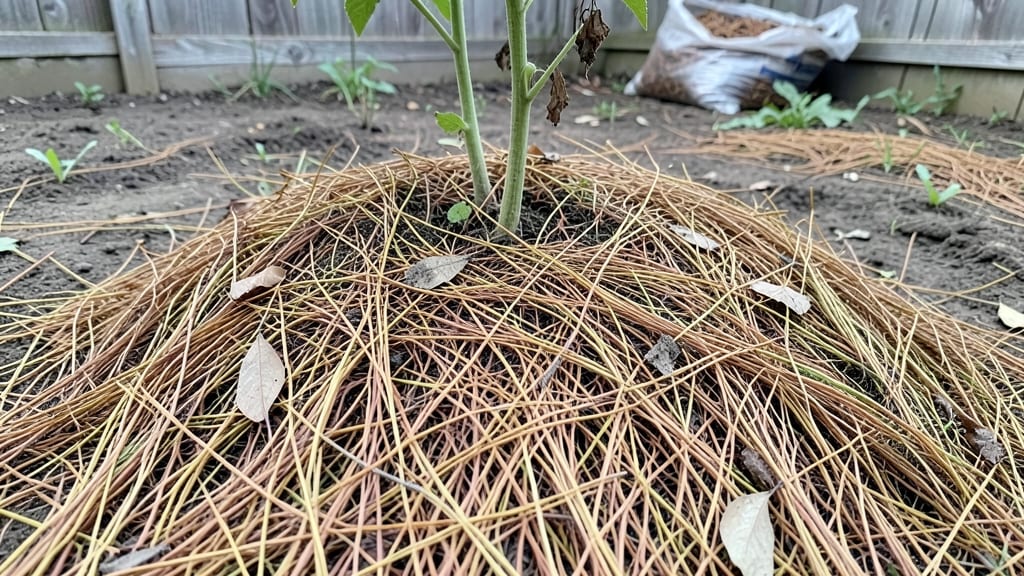
Garden pine straw mulch is the low-maintenance way to keep your soil moist and weeds out of sight—no tilling, no watering battles, just year-round protection.
Struggling to keep weeds at bay while maintaining soil moisture without constant watering? This natural mulch could be your secret weapon—a long-lasting solution that works in every season.
Unlike heavy wood chips or fast-rotting straw, pine straw stays in place, resists compaction, and even improves soil as it slowly breaks down. It’s the kind of mulch that makes garden chores feel effortless.
Here’s how to use it for maximum benefits, from application tips to troubleshooting common issues, so your plants thrive with less work.
How pine straw mulch blocks weeds and retains soil moisture
If you've ever struggled with weeds popping up like weeds or battling dry soil that needs constant watering, garden pine straw mulch might be your game-changer. Unlike traditional mulches, pine straw works differently—its unique properties create a natural barrier that smothers weeds while locking in moisture for weeks.
The secret lies in its acidic composition and slow decomposition rate, which set it apart from wood chips or hay.
Pine straw's long, needle-like structure creates a dense mat that blocks sunlight from reaching weed seeds, preventing germination. At the same time, its fibrous texture allows water to penetrate while reducing evaporation.
This dual action makes it perfect for low-maintenance gardens where you want to minimize watering and weeding efforts. The best part? It stays effective for 18-24 months before needing replacement.
But how does it compare to other mulches? Let's break down the key differences in performance, especially for weed suppression and moisture retention:
| Mulch Type | Weed Suppression | Moisture Retention | Decomposition Rate | Best For |
|---|---|---|---|---|
| Garden Pine Straw | Excellent (blocks sunlight) | High (reduces evaporation) | Very Slow (18-24 months) | Acid-loving plants, pathways, flower beds |
| Wood Chips | Moderate (depends on thickness) | Moderate (breaks down faster) | Moderate (1-2 years) | Vegetable gardens, shrubs |
| Straw | Good (but decomposes quickly) | Low (dries out faster) | Fast (3-6 months) | Seedlings, temporary cover |
| Shredded Bark | Good (but may compact) | Moderate (depends on type) | Slow (2-3 years) | Trees, shrubs, borders |
The acidity level of pine straw (around pH 5.3-6.0) is another key factor. This makes it ideal for acid-loving plants like azaleas, blueberries, and hydrangeas, while also inhibiting weed seeds that prefer neutral or alkaline soils.
Unlike wood chips, which can introduce competing nutrients, pine straw focuses on creating a stable, weed-free environment without altering soil chemistry dramatically.
One of the most underrated benefits is how pine straw regulates soil temperature. During hot summers, it acts as an insulator, keeping roots cool, while in winter, it provides a thin protective layer against frost.
This temperature stability is crucial for tender perennials and young transplants that struggle with extreme fluctuations. Unlike straw, which can blow away in windy conditions, pine straw's fibrous texture stays put, even in light breezes.
For moisture retention, pine straw's secret weapon is its ability to form a microclimate around plant roots. The needles create tiny air pockets that trap moisture while allowing excess water to drain.
This is especially valuable in sandy soils or regions with low annual rainfall. Unlike organic mulches that compact over time, pine straw maintains its structure, ensuring consistent performance for years.
If you're using pine straw in vegetable gardens, pair it with a 2-inch layer of compost first. The compost adds nutrients that pine straw lacks, while the pine straw locks in moisture and blocks weeds.
This combo is perfect for drought-prone areas where water conservation is key. Just avoid using it directly on alkaline-loving plants like lavender or rosemary, as the acidity can stunt their growth.
Another advantage is how pine straw resists compaction. Unlike wood chips or bark, which can become dense and impermeable over time, pine straw stays loose and breathable. This prevents root asphyxiation in shallow-rooted plants while still providing the weed-blocking benefits.
For pathways or high-traffic areas, it's one of the few mulches that won't turn to mud when wet.
To maximize its weed-blocking power, apply pine straw in a 2-3 inch layer over a weed-free base. If you're covering existing weeds, first smother them with cardboard or newspaper, then top with the pine straw.
This two-step process ensures no weeds escape the light blockage. Unlike straw, which can harbor pests, pine straw is naturally pest-resistant and doesn't attract rodents or insects.
For long-term success, refresh your pine straw every 18-24 months or when it starts to break down into a powdery texture. This timing aligns with
Best ways to apply pine straw mulch for maximum benefits
Applying pine straw mulch correctly transforms your garden into a low-maintenance, weed-resistant oasis. Unlike traditional mulches, pine straw’s needle-like texture allows water to penetrate while blocking sunlight from sprouting weeds. But timing, depth, and placement matter—apply it wrong, and you’ll miss out on its full benefits.
For best results, focus on three key factors: application depth (2-3 inches), seasonal timing (spring or fall), and targeted areas (flower beds, veggie gardens, or pathways). Whether you’re a beginner or a seasoned gardener, these steps will help you maximize moisture retention and weed suppression year-round.
-
1
Choose the Right Season
Apply pine straw in early spring (before weeds sprout) or fall (after harvest). Avoid summer heat, which can dry it out too quickly.
-
2
Prep the Soil
Remove existing weeds and debris. Loosen soil slightly to improve water absorption—especially in vegetable gardens where roots need easy access.
-
3
Apply the Correct Depth
Spread pine straw in a 2-3 inch layer. Thicker layers (4+ inches) can suffocate plants, while thinner layers (<1 inch) won’t block weeds effectively.
-
4
Adjust for Garden Type
Flower beds: Use 3-inch layers for moisture retention.
Vegetable gardens: Keep layers at 2 inches to avoid soil acidity buildup.
Pathways: Apply 1-inch layers to prevent erosion. -
5
Refresh Annually
Top up with 1 inch of fresh pine straw every spring or fall. This maintains weed suppression and prevents decomposition from reducing effectiveness.
Pro tip: For acid-loving plants like azaleas or blueberries, pine straw is ideal. But if your garden has alkaline soil, test pH levels first—this mulch can lower soil pH over time. Always keep mulch 2-3 inches away from plant stems to prevent rot.
Once applied, pine straw mulch requires minimal upkeep. Just monitor for moss growth (a sign of excess moisture) and fluff the layer occasionally to maintain airflow. With proper care, it’ll keep your garden looking pristine with less watering and weeding all season long.
🌱