
Pests
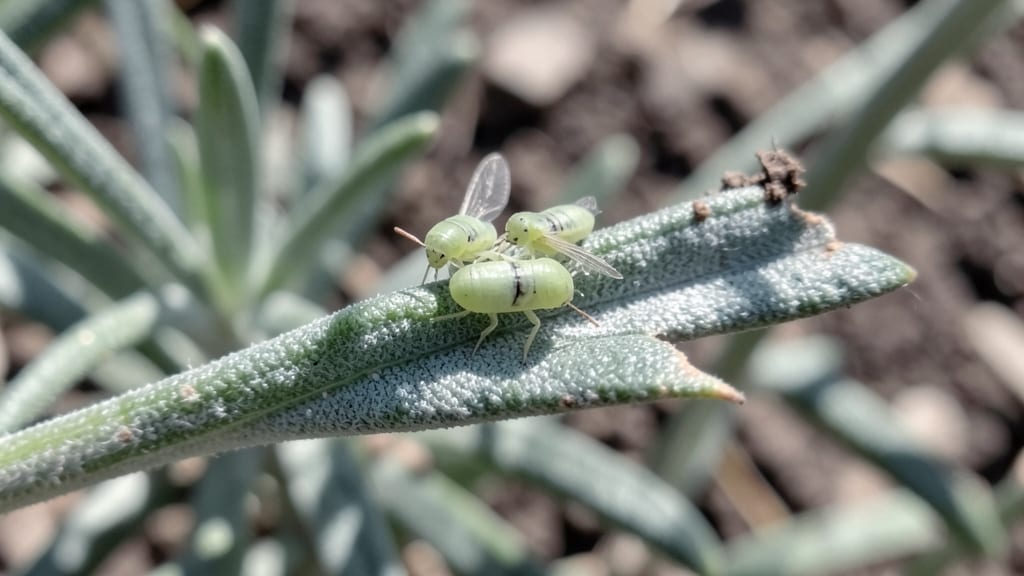
Defending your garden against those pesky garden pests bugs starts with this spicy chili pepper spray—a potent, plant-safe solution that deters chewing insects within hours. 🌿 I’ve seen aphids, cabbage worms, and even tomato hornworms retreat after just one application. and the recipe uses ingredients you likely already have in your kitchen.
The magic lies in the capsaicin from chili peppers, which irritates insects’ mouthparts while being harmless to humans and pets once dry. You’ll mix hot peppers, dish soap, and water in a blender, then strain and spray directly on affected plants—no rinsing needed.
It works best on soft-bodied pests like aphids and caterpillars but also repels beetles and flea beetles.
What you’ll achieve is a garden that stays productive without residue, with pests avoiding treated plants for up to two weeks. The spray is especially effective when applied in the early morning or evening, when pests are most active and the sun won’t evaporate it too quickly.
This method adapts easily to any garden size—whether you’re protecting a single tomato plant or an entire raised bed. The key is consistency: reapply after rain or every 7–10 days for ongoing defense. Ready to reclaim your garden without harsh chemicals?
Why it happens
Your once-thriving garden becomes a buffet for unwanted guests—those pesky bugs and pests—because of a mix of environmental, biological, and even human factors. Understanding why these critters show up is the first step to kicking them out for good. Let’s break down the science behind their uninvited visits.
🌱 Overcrowded Plant Life
Bugs thrive in chaos, and nothing says "party time" like a garden packed with dense foliage.
When plants grow too close together, they create the perfect hiding spots and breeding grounds for pests like aphids, spider mites, and whiteflies. Why? Poor air circulation traps moisture, making leaves sticky and inviting for insects that love damp environments.
Additionally, overcrowded plants weaken their natural defenses, making them easier targets for hungry bugs.
💡 Pro Tip: Prune regularly to improve airflow and remove diseased or damaged leaves, which pests adore as snacks.
💧 Water Woes: Too Much Or Too Little
Water is the lifeblood of your garden—but also of pests. Overwatering creates soggy soil, which attracts fungus gnats, slugs, and snails.
On the flip side, drought-stressed plants release sugars through their leaves (a process called osmotic stress), which attracts aphids and mealybugs. Why? Pests are drawn to plants that are either drowning in moisture or struggling to survive, as these conditions make them more vulnerable.
🌡️ Fix It: Water deeply but infrequently (1-2 inches per week) and avoid wetting leaves to deter pests.
🍽️ Nutrient Imbalance Attracts Appetites
Just like you crave junk food when you’re deficient in nutrients, pests target plants that are malnourished or overfed. Nitrogen-heavy fertilizers, for example, produce soft, tender leaves that aphids and caterpillars adore.
Meanwhile, phosphorus-rich soils can encourage root-feeding pests like grubs. Why? Weak or imbalanced plants can’t produce the natural chemicals (like tannins or alkaloids) that repel bugs.
| Nutrient Overload | Attracts These Pests |
|---|---|
| Excess Nitrogen | Aphids, Spider Mites, Caterpillars |
| Low Potassium | Japanese Beetles, Cutworms |
| High Sugar Content (from over-fertilizing) | Mealybugs, Scale Insects |
🌍 Climate And Seasonal Shifts
Bugs are opportunists, and they time their invasions based on weather patterns. Warmer temperatures speed up their life cycles, leading to explosive populations. Mild winters mean fewer die-offs, so pests like squash bugs and cabbage worms return in force. Why? Many garden pests are cold-blooded—their activity levels rise with heat, and they seek out stressed plants that are easier to colonize.
✨ Seasonal Strategy: Monitor your garden closely during spring and fall, when pests are most active due to temperature fluctuations.
🏡 Human Habits That Invite Pests
Sometimes, the problem isn’t nature—it’s us. Leaving fallen fruit, mulch piles, or even unwashed gardening tools can introduce pests. Why? Bugs hitchhike on tools, soil, and plant debris, setting up shop in your garden.
Additionally, monoculture gardening (planting the same crop repeatedly) creates a pest paradise because bugs specialize in feasting on specific plants.
🔥 Avoid These Mistakes:
- Skipping crop rotation
- Ignoring garden debris
- Using contaminated soil or tools
Quick Fixes for Common Garden Bugs
Tired of seeing your hard work devoured by tiny invaders? 🦟🌱 These practical, eco-friendly solutions will help you reclaim your garden—fast. Below, we’ve mapped the most common culprits to their fixes, plus prevention tips to keep pests at bay for good.
🐛 Aphids: Tiny Menaces on Leaves
Fix:
- Spray them away: Mix 1 tsp of dish soap + 1 quart of water in a spray bottle. Dab (don’t drench) to avoid harming beneficial insects.
- Blast with water: A strong stream from the hose dislodges aphids instantly. Do this in the morning for best results.
- Introduce predators: Ladybugs and lacewings love aphids—buy them online or attract them with native plants like dill and fennel.
Prevent:
- Neem oil spray (1 tbsp neem oil + 1 tsp soap in 1 quart water) applied weekly deters future infestations.
- Reflective mulch (aluminum foil or silver plastic) confuses aphids with its glare.
🥬 Cabbage Worms: Leaf-Munching Nightmares
Fix:
- Handpick early: Check undersides of leaves daily. Drop worms into soapy water—no chemicals needed!
- Bacillus thuringiensis (Bt): A natural bacteria spray (available at garden centers) kills caterpillars without harming other insects.
- Row covers: Lightweight fabric barriers block adult butterflies from laying eggs.
Prevent:
- Plant trap crops like radishes or mustard greens to lure pests away from your brassicas.
- Interplant with herbs (e.g., thyme or mint) to mask cabbage’s scent.
🍅 Tomato Hornworms: Stealthy Stalk Destroyers
Fix:
- Spot and squash: These green bandits grow fast—check plants twice weekly. Crush eggs (tiny white ovals) or drop larvae into soapy water.
- Parasitic wasps: Nature’s cleanup crew! Leave some hornworms behind—they’ll host wasp larvae that keep populations in check.
- Diatomaceous earth (DE): Sprinkle food-grade DE around stems. It’s harmless to humans but dehydrates worms.
Prevent:
- Plant basil near tomatoes—its scent repels hornworms.
- Rotate crops yearly to disrupt their life cycle.
🍄 Slugs & Snails: Glossy Garden Vandals
Fix:
- Beer traps: Bury a shallow dish filled with beer near plants. Slugs crawl in and drown—gross but effective!
- Copper barriers: A strip of copper foil around beds gives them a mild electric shock when they touch it.
- Iron phosphate baits: Organic pellets (like Sluggo) kill slugs without harming pets or wildlife.
Prevent:
- Crushed eggshells or sand create rough textures that deter slimy invaders.
- Water in the morning so soil dries faster, making slugs less active.
🐜 Ants: The Unwanted Garden Guides
Fix:
- Boric acid bait: Mix with sugar or honey and place near trails. Worker ants carry it back to the colony.
- Vinegar spray: 1:1 vinegar-water solution disrupts their scent trails.
- Diatomaceous earth: Sprinkle around mounds to dehydrate them.
Prevent:
- Remove food sources: Clean up fallen fruit, pet food, and spilled seeds.
- Plant mint or cloves near entry points—their scents repel ants.
🌿 General Prevention Tips (For All Pests)
💡 Pro Tip: A healthy garden is pest-resistant! Follow these habits to stay ahead:
- Rotate crops yearly to starve soil-borne pests.
- Encourage biodiversity—plant flowers to attract predator insects.
- Inspect plants weekly (especially undersides of leaves).
- Avoid overwatering—slugs and fungi thrive in damp conditions.
- Use companion planting (e.g., marigolds repel nematodes, nasturtiums deter aphids).
Most garden pests are easy to manage with a little vigilance. 🛡️ Start with these fixes, and soon you’ll be enjoying a thriving, bug-free oasis!
Frequently asked questions
How quickly does the chili pepper spray work against garden pests?
You’ll often see results within 1-2 hours of application! The capsaicin disrupts pests' mouthparts, causing them to retreat immediately. For best defense, apply in the early morning or late evening when pests are most active. Most soft-bodied insects like aphids and caterpillars disappear within 24 hours.
Is this spray safe for all plants and vegetables?
Yes, this spray is plant-safe when used correctly! The chili pepper solution breaks down quickly and won't harm your plants. Always test a small area first, especially for delicate plants like lettuce or young seedlings. Avoid spraying during peak sunlight hours to prevent leaf burn from concentrated droplets.
How often should I reapply the spray for ongoing protection?
For consistent defense, reapply every 7-10 days, or after heavy rain that could wash it away. The protection lasts about 2 weeks before pests may return. Focus on reapplying during peak pest seasons like spring and summer when activity is highest.
Can I use this spray on edible plants right before harvest?
Yes! The spray is safe for edible plants, but stop applying 2-3 days before harvest to allow any residue to fully break down. The capsaicin dissipates quickly, so your produce will be safe to eat. Always rinse fruits/vegetables if you're concerned about lingering taste.
Will this spray work on hard-shelled pests like beetles or flea beetles?
While it's most effective against soft-bodied pests like aphids and caterpillars, the spray can help deter beetles by irritating their exoskeletons. For tougher pests, combine with other methods like handpicking or companion planting. The pepper spray creates an unpleasant environment that encourages pests to seek easier targets.