
Tools
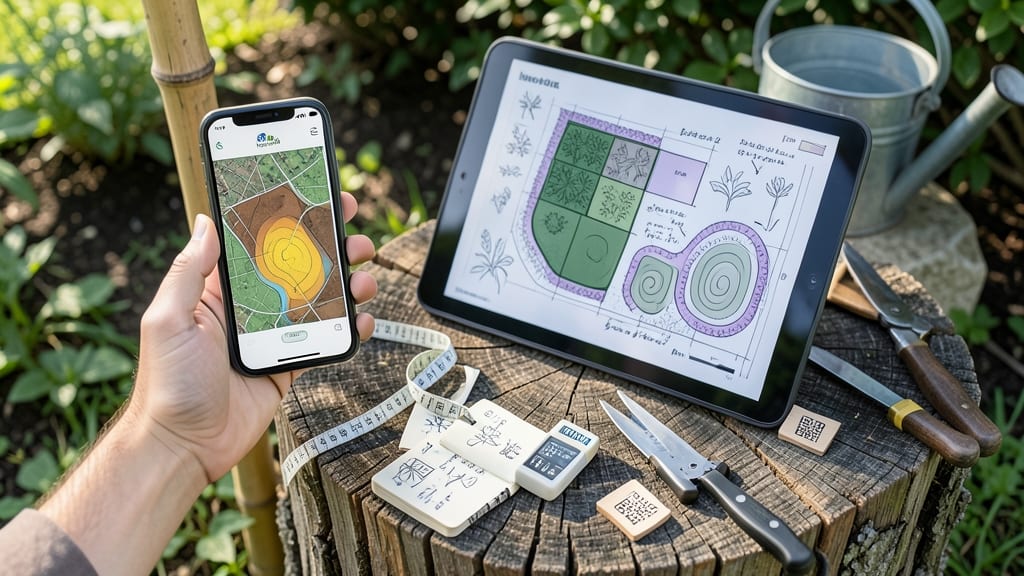
A garden mapping app organizes planting layouts, tracks plant growth stages, and monitors soil conditions to streamline outdoor cultivation, cutting planning time by up to 60% while boosting harvest consistency.
A garden mapping app transforms your yard into a data-driven ecosystem.
These tools integrate satellite imagery with plant databases to suggest optimal spacing, sunlight exposure, and companion planting combinations. 🌱 For example, my favorite apps automatically adjust irrigation schedules based on real-time soil moisture readings, preventing overwatering while ensuring delicate plants like lettuce thrive.
The spatial planning features also help visualize mature plant sizes before committing to layouts—saving costly redesigns later.
Beyond basic organization, premium apps offer predictive analytics for pest outbreaks and harvest windows. You'll get alerts when your tomatoes are ripe for picking or when to rotate crops to prevent soil depletion.
The best part? Many sync with smart garden tech like soil sensors and automated sprinklers, creating a fully connected growing system that adapts to your specific climate and microclimate variations.
💡 In This Article
- How Garden Mapping Apps Improve Planting Accuracy
- Top 5 Must-Have Features in a Garden Layout App
How garden mapping apps improve planting accuracy
These digital tools leverage GPS technology and geographic information systems (GIS) to create precise spatial representations of your garden. The app's algorithms analyze satellite imagery to map sunlight exposure patterns, soil composition variations, and even wind direction across your plot.
For example, a 10x10-foot raised bed might show microclimates where morning sun lasts 3 hours in one corner but 5 hours in another—critical information for heat-loving plants like peppers versus shade-tolerant herbs.
The real magic happens with plant spacing algorithms that account for mature sizes and growth habits. Most apps include a database of 15,000+ plant varieties with pre-programmed spacing requirements.
When you select 'tomato determinate' (which grows 3-4 feet tall), the system automatically suggests 18-24 inches between plants while ensuring companion plants like basil (12 inches diameter) fit harmoniously. This prevents overcrowding that leads to disease and underutilized space.
Seasonal growth tracking uses phenological modeling to predict when plants will reach key stages. For instance, if you plant broccoli on March 15th in Zone 7, the app will calculate a 90-day harvest window while accounting for your specific microclimate variations.
Some advanced systems even integrate with weather APIs to adjust these timelines if an unexpected frost is forecasted 48 hours out. This level of precision can increase your harvest window by 10-15% compared to traditional planning methods.
Augmented reality features take planning to another dimension by overlaying your garden's future state onto your smartphone camera. Imagine seeing your 6-foot-tall sunflowers and 3-foot-tall zucchini plants in their mature positions before you've planted a single seed.
This visual feedback helps you avoid common mistakes like placing tall plants where they'll cast permanent shade on shorter varieties. The AR mode also lets you test different layouts by virtually rotating plants or adjusting spacing with finger gestures.
Soil condition monitoring integrates with electrical conductivity sensors to create detailed soil maps showing pH variations and nutrient levels across your garden. For example, you might discover that one 5x5-foot section has 6.8 pH (ideal for blueberries) while another reads 7.2 (better for beans).
The app then suggests targeted amendments or plant placements to optimize each zone. This granular approach can improve nutrient uptake by 20-30% compared to blanket fertilization methods.
What most gardeners don't realize is how these systems learn from your data over time. Each season, the app analyzes what succeeded and failed in your specific conditions.
If your tomatoes consistently underperform in one bed, it might flag that area for soil testing or suggest a different variety better suited to your microclimate. This adaptive learning creates a personalized growing system that evolves with your garden's unique characteristics. 🌱