
Flowers
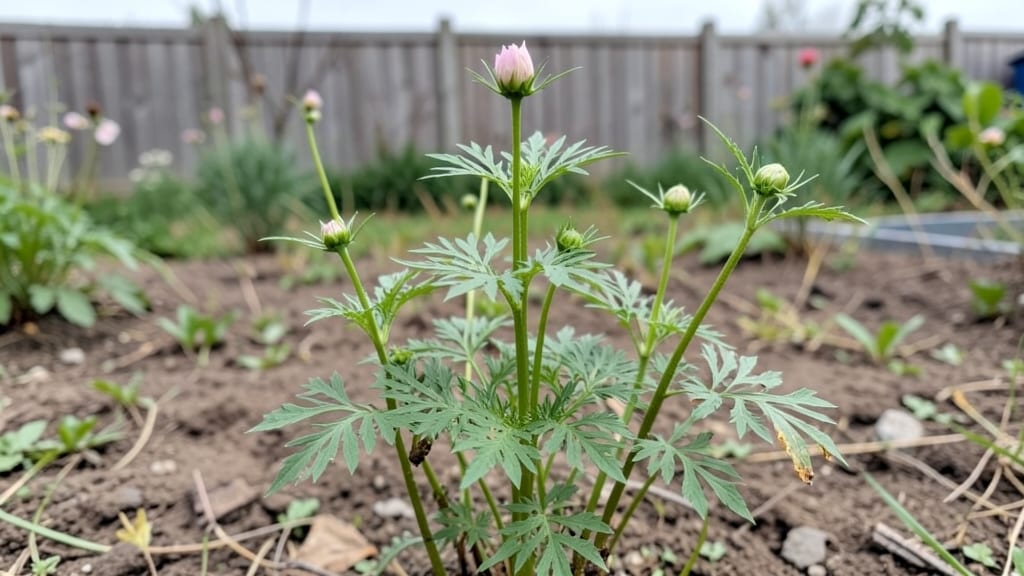
Reviving your garden cosmos leaves 🌼 starts with knowing why they’re turning yellow—and the answer isn’t always what you think.
If your vibrant cosmos plants are losing their lush green leaves and turning yellow, you’re not alone. This issue can strike even the most well-cared-for flowers, often due to hidden pests, nutrient deficiencies, or overwatering.
The good news? With the right fixes, your cosmos can bounce back faster than you expect.
Cosmos thrive in USDA Zone 6a when planted in spring, but even the hardiest varieties need attention. Yellowing leaves usually signal one of three problems: too much moisture, a lack of essential nutrients, or an unseen pest attack.
The key is catching the issue early before it spreads, so your blooms stay as bright as they did on day one.
In this guide, I’ll walk you through the most common causes of yellowing cosmos leaves, how to diagnose them, and the easiest fixes to restore your plants—plus tips to keep them thriving all season long.
Why are your garden cosmos leaves turning yellow? Root causes explained
If you’ve noticed your garden cosmos leaves turning yellow instead of staying vibrant green, don’t panic—this is a common issue with clear solutions. Yellowing leaves often signal underlying problems like overwatering, nutrient deficiencies, or even fungal infections.
Understanding the root cause is the first step to reviving your plants and keeping them healthy all season.
Cosmos are generally low-maintenance, but they still need the right balance of water, sunlight, and soil nutrients. When these conditions aren’t met, yellowing leaves appear as a warning sign.
Below, we’ll break down the most common causes, their symptoms, and quick diagnostic tips to identify what’s affecting your plants.
🌱
One of the most common mistakes I see is overwatering cosmos plants. These drought-tolerant flowers thrive on infrequent but deep watering, not daily light sprinkles. If your soil stays soggy for more than a day, roots suffocate, leading to yellowing leaves.
Always check the top inch of soil—if it’s dry, it’s time to water.
Another frequent issue is a nitrogen deficiency, which causes leaves to yellow between the veins. Cosmos are light feeders, but if your soil lacks organic matter, they’ll show signs of stress.
A quick fix is to mix in compost or use a balanced fertilizer like 10-10-10. Apply it in early morning to avoid burning leaves.
Fungal diseases like powdery mildew are also culprits, especially in humid climates. Look for white, powdery spots on leaf undersides—this is a classic sign. Improve air circulation by spacing plants 12-18 inches apart and avoid overhead watering. A weekly spray of neem oil can prevent outbreaks before they start.
Environmental stressors like heat stress or poor drainage can also turn leaves yellow. Cosmos love full sun but may struggle if temperatures soar above 90°F (32°C).
Provide afternoon shade with a lightweight shade cloth to protect them. For drainage issues, amend heavy soil with sand or perlite to create a looser, airier mix.
🌿
To diagnose the issue quickly, start by examining the pattern of yellowing. Is it on older leaves (likely overwatering or root rot) or new growth (could be a nutrient deficiency)?
Check the soil moisture and leaf texture—crispy edges mean heat stress, while mushy leaves signal overwatering. With these clues, you’ll pinpoint the problem in minutes.
Once you’ve identified the cause, act fast. Yellowing leaves won’t reverse overnight, but addressing the root issue will stop further damage. For example, if it’s powdery mildew, remove affected leaves immediately and treat the plant.
If it’s overwatering, adjust your schedule and let the soil dry out between waterings.
💧
Step-by-step fixes for yellowing cosmos leaves and how to prevent recurrence
Yellowing leaves on your garden cosmos can signal stress, but the good news is most issues are easily reversible with targeted care. Start by checking your watering habits—cosmos plants hate soggy roots.
If the soil feels damp after 24 hours, you’re likely overwatering, which suffocates roots and triggers yellowing. Adjust to watering deeply every 3-5 days instead of frequent shallow drinks.
Another common culprit is nutrient deficiency, especially nitrogen. cosmos thrive in well-amended soil with a balanced fertilizer (10-10-10 ratio). Mix 1 tablespoon of organic fertilizer into the top 2 inches of soil around each plant.
For a quick fix, use compost tea or a diluted fish emulsion to boost nutrients without overwhelming the plant.
DIY Remedies vs. Store-Bought Fixes for Yellowing Cosmos Leaves
DIY Remedies
- Pros: Cost-effective, eco-friendly, no chemicals
- Cons: Slower results, requires consistency
Store-Bought Products
- Pros: Faster results, targeted solutions
- Cons: Higher cost, potential chemical risks
Top DIY Fixes
- 🌱 Compost tea (1:10 ratio) for nutrient boost
- 💧 Neem oil spray (1 tbsp/quart water) for fungal issues
- ✂️ Prune yellow leaves to redirect energy
Top Store-Bought Fixes
- 🌿 Balanced fertilizer (10-10-10) for quick nutrient fix
- 🌧️ Fungicide spray (e.g., copper-based) for mildew
- ☀️ Slow-release granules for long-term soil health
If yellowing persists, check for fungal diseases like powdery mildew, which thrives in humid conditions. Improve airflow by spacing plants 12-18 inches apart and pruning crowded foliage.
For existing mildew, spray leaves with a baking soda solution (1 tsp baking soda + 1 quart water + few drops of soap) every 7-10 days until symptoms fade.
For long-term prevention, focus on soil health. Mix 2-3 inches of compost into the planting area before sowing seeds, and mulch with straw or wood chips to retain moisture and suppress weeds. Avoid heavy-handed fertilizing—cosmos prefer lean soil and bloom best when slightly nutrient-stressed.
Create a simple prevention checklist to tackle issues before they start: ☑️ Water deeply every 3-5 days (morning only) ☑️ Test soil pH (ideal: 6.0-7.0) and amend if needed ☑️ Prune yellow leaves weekly to prevent disease spread ☑️ Apply compost tea monthly during growing season ☑️ Space plants for optimal airflow (12-18 inches apart)
With these fixes, your cosmos leaves should regain their vibrant green in 2-4 weeks. The key is consistency—monitor soil moisture, prune regularly, and adjust care based on seasonal changes. Once your plants rebound, they’ll reward you with bold blooms from summer to frost! 🌼