
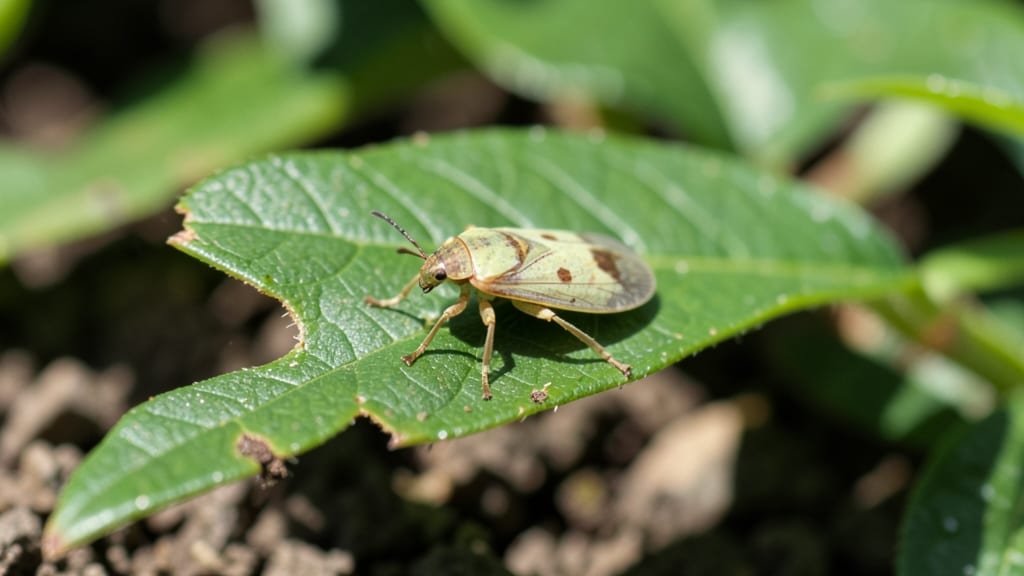
Garden Bug Photos: Identify Common Pests and Beneficial Insects at a Glance

Pests

Garden Bug Photos: Identify Common Pests and Beneficial Insects at a Glance

Using garden bug photos to identify visitors in your yard is the fastest way to decide whether to celebrate or spray.

Struggling to tell whether that buzzing visitor is a helpful pollinator or a destructive pest? Garden bug photos can be your best ally in protecting your plants—and your sanity. One wrong move with the wrong spray, and you could wipe out the very insects keeping your garden thriving.

With hundreds of species crawling, flying, or burrowing in zone 6 gardens, memorizing each one is impossible. But a quick photo reference lets you spot aphids, ladybugs, or Japanese beetles in seconds—no degree in entomology required.

Here’s how to use high-quality bug images to recognize 20+ common insects, understand their roles, and even encourage the good guys to stick around without harming the bad ones.

Garden bug photos: visual guide to common pests vs. beneficial insects

Every gardener knows that moment of panic when you spot an unfamiliar insect on your tomatoes or roses. Is it a helpful pollinator or a plant-munching menace? Garden bug photos are your secret weapon for making quick, confident identifications.

With the right visual guide, you can distinguish between aphids and lacewings in seconds—no entomologist degree required. I’ve spent years studying these tiny garden residents, and I’ll show you exactly what to look for.

Visual identification isn’t just about avoiding pests—it’s about encouraging beneficial insects that do the hard work for you. For example, a ladybug might look like a Japanese beetle at first glance, but their roles couldn’t be more different.

One devours aphids by the dozens, while the other chews through rose petals and fruit. Let’s dive into the key traits that separate the two, so you can make smarter decisions in your garden.

Below is a visual comparison of 10 common pests and 10 beneficial insects, complete with their most distinctive features. Use this as your quick-reference guide whenever you’re unsure about that buzzing, crawling, or munching visitor.

Pro tip: Bookmark this page or print it out for your gardening toolkit—you’ll thank yourself during peak pest season.

🌱

Insect Name Photo Reference Role Key Features Damage Signs
Aphids Aphid photo Pest Green/black, soft-bodied, clustered on stems/leaves Sticky residue (honeydew), curled leaves, stunted growth
Japanese Beetles Japanese beetle photo Pest Green head, copper wings, ½-inch long Skeletons leaves, chewed flowers, silk webbing
Tomato Hornworms Tomato hornworm photo Pest Green with white stripes, horn on rear, 3-4 inches Holes in leaves, defoliated plants, fruit damage
Spider Mites Spider mite photo Pest Tiny red/yellow, spider-like webbing Yellow stippling, webbing on undersides of leaves
Cabbage Worms Cabbage worm photo Pest Green caterpillars, white stripes, 1-1.5 inches Holes in brassica leaves, chewed edges
Ladybugs Ladybug photo Helpful Red/orange with black spots, ¼-inch round N/A (eats aphids, mites, eggs)
Lacewings Lacewing photo Helpful Green/y

How to use bug photos for early pest detection and natural control

Catching pest problems early can save your garden—and your sanity. With a few garden bug photos as your guide, you can spot early infestations before they spiral out of control. The key is knowing which insects to watch for and how to encourage their natural predators.

Start by scanning your plants daily with your photo reference—just 10 minutes can make all the difference. This proactive approach lets you intervene early or let nature handle the balance.

Once you’ve identified a potential pest using your bug photos, the next step is deciding whether to act. Some insects, like aphids or Japanese beetles, signal trouble, while others, like ladybugs or lacewings, are your garden’s allies.

Your photo guide will help you distinguish between them quickly. The goal is to create a balanced ecosystem where beneficial insects outnumber pests naturally.

1 Step 1: Daily 10-minute garden scans using your photo guide to spot early signs of pests like chewed leaves or sticky residue. Focus on high-risk plants first, such as tomatoes or cabbage.
2 Step 2: Identify ‘red flag’ insects—like cabbage worms or spider mites—using your bug photos. Look for distinct markings or behavior patterns that match your reference images.
3 Step 3: Encourage beneficial insects by planting nectar-rich flowers like dill or marigolds. These attract lacewings and parasitic wasps, which prey on pests naturally.
4 Step 4: Let nature balance the ecosystem when possible. If beneficial insects are present, avoid chemical interventions and monitor instead. Only act if pests outnumber allies or cause visible damage.

If you spot a pest outbreak, don’t panic—your bug photos can also guide you toward organic solutions. For example, neem oil works well against aphids, while row covers can protect plants from cabbage moths.

Always check your photo guide to confirm the pest before treating, as misidentification can harm beneficial insects. Think of your garden as a living ecosystem where every insect plays a role.

For long-term success, combine your bug photo monitoring with companion planting. Pairing basil with tomatoes repels pests, while clover attracts ground beetles that eat slugs. Over time, your garden will become a self-regulating paradise where pests stay in check naturally.

The more you use your bug photos, the easier it becomes to spot patterns and prevent problems before they start.

Remember, the goal isn’t to eliminate all bugs—it’s to create harmony. With your photo guide in hand, you’ll gain confidence in making informed decisions about your garden’s health.

Soon, you’ll recognize pests and allies at a glance, turning early detection into your secret weapon for a thriving, pest-resistant garden. 🌱

★★★★★4.7(6 reviews)
Categories Pests