
Landscaping
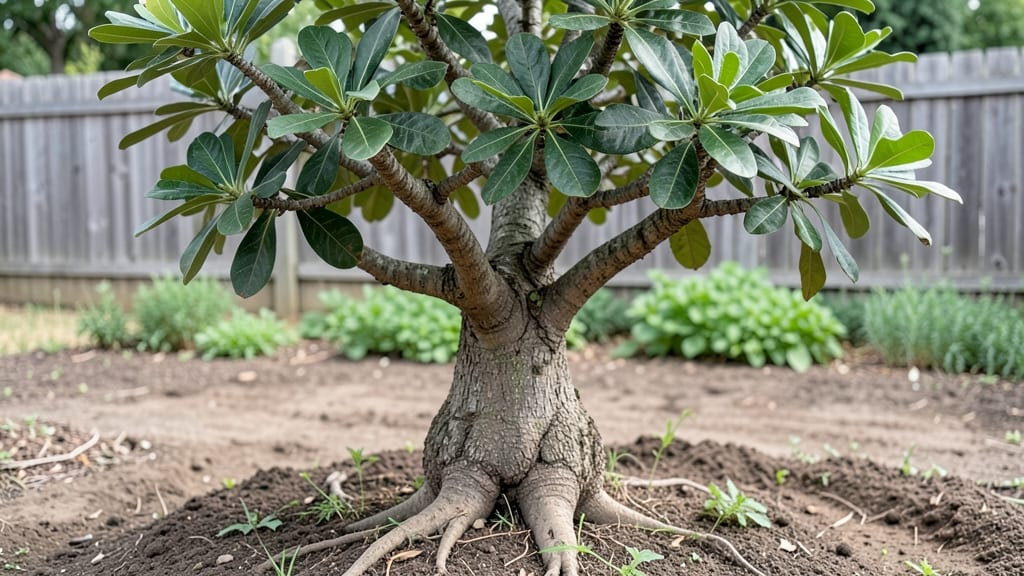
Creating a garden bottle tree turns empty glass into a living work of art—no soil, no mess, just lush greenery that grows straight up.
Imagine transforming ordinary glass bottles into a stunning vertical garden that thrives without soil—this isn’t just creative recycling, it’s the art of growing a garden bottle tree 🌳. Perfect for small spaces, urban balconies, or eco-conscious gardeners, this air-plant hybrid combines beauty with sustainability.
You don’t need a green thumb or a sprawling yard to pull this off. With just a few bottles, some air plants, and a sunny spot, you can create a low-maintenance garden that’s as practical as it is pretty.
Plus, it’s a project that doubles as decor—no more empty shelves or forgotten jars.
In this guide, I’ll walk you through how to pick the right bottles, choose the best air plants, and arrange them for maximum impact. By the end, you’ll have a thriving vertical garden that’s uniquely yours—and zero soil required.
What is a garden bottle tree and how does it work?
A garden bottle tree is a creative, soil-free way to grow air plants (tillandsias) inside repurposed glass bottles. Unlike traditional plants that need soil, these epiphytes absorb nutrients and moisture from the air.
This method turns discarded bottles into a vertical garden that’s both functional and decorative, perfect for small spaces or urban gardens.
Unlike regular potted plants, bottle trees rely on humidity and misting instead of soil. The bottles create microclimates that protect air plants from extreme weather while allowing them to thrive. This system is ideal for gardeners who love sustainable gardening or want to experiment with low-maintenance, space-saving designs.
Air plants are native to tropical and subtropical regions, where they grow on trees or rocks. By mimicking their natural habitat, bottle trees provide the perfect environment for them to flourish without soil.
The bottles act as tiny terrariums, trapping moisture and creating the ideal humidity levels for these unique plants.
The science behind air plants is fascinating—they absorb water and nutrients through their leaves via tiny scales called trichomes. This means they don’t need traditional soil or even frequent watering, making them incredibly low-maintenance.
When placed inside bottles, they benefit from the humidity and airflow created by the glass enclosure.
One of the biggest benefits of bottle trees is their space-saving design. Since air plants grow vertically, you can create stunning displays on walls, balconies, or even indoors near windows.
This makes them perfect for urban gardeners or anyone with limited outdoor space. Plus, repurposing bottles reduces waste and adds a unique, eco-friendly touch to your garden.
To get started, you’ll need clean glass bottles (like soda or wine bottles) and air plants like Tillandsia xerographica or Tillandsia ionantha. The bottles should have small openings (like bottle caps) to allow airflow while keeping humidity in.
You’ll also need spray bottles for misting and decorative elements like pebbles or moss for aesthetics.
Unlike traditional plants, bottle trees don’t require soil, making them drought-tolerant and easy to care for. However, they still need indirect sunlight and occasional misting to thrive. This makes them a great choice for beginner gardeners or anyone looking for a low-maintenance yet visually striking garden feature.
Here’s how they differ from traditional plants:
- No soil needed – Air plants grow epiphytically.
- Less watering – They absorb moisture from the air.
- Space-efficient – Vertical growth maximizes small areas.
- Eco-friendly – Repurposes recycled materials.
Now, let’s break down the key components of a successful bottle tree setup in this summary table:
| Component | Details | Why It Matters |
|---|---|---|
| Glass Bottles | Clean, empty bottles (e.g., soda, wine) | Creates microclimate for humidity |
| Air Plants | Tillandsia species (e.g., xerographica, ionantha) | Thrives without soil, absorbs moisture from air |
| Misting Spray | Distilled or rainwater in spray bottle | Replicates natural misting in tropical habitats |
| Indirect Light | Bright, filtered sunlight (e.g., east or north window) | Prevents leaf burn while supporting growth |
| Decorative Elements | Pebbles, moss, or driftwood | Enhances aesthetics and retains moisture |
When selecting bottles, opt for clear or green-tinted glass to allow light penetration while protecting plants from harsh UV rays. Avoid dark bottles, as they can overheat the air plants inside.
The size of the bottle matters too—smaller bottles (like 8-16 oz) work well for single air plants, while larger bottles (like 32 oz) can hold clusters for a fuller look.
For beginner-friendly air plants, start with Tillandsia xerographica (silver, drought-tolerant) or Tillandsia ionantha (colorful blooms). These varieties are hardy and adapt well to the bottle environment. Avoid delicate species like Tillandsia cyanea until you’re more experienced, as they require precise humidity levels.
One common misconception is that bottle trees need frequent watering like traditional plants. In reality, they thrive on occasional misting (every 2-3 days) and benefit from high humidity—ideal for bathrooms or kitchens with natural moisture.
Overwatering can lead to root rot, so always ensure bottles have proper drainage (even if no soil is involved).
To maximize success, place your bottle tree in a location with bright, indirect light and avoid direct sunlight, which can scorch the leaves. If growing indoors, a south-facing window is ideal, while outdoor bottle trees should be shaded during peak sun hours.
With the right setup, your garden bottle tree can flourish for years with minimal effort.
🌱
Step-by-step guide: building your first bottle tree garden
A garden bottle tree isn’t just a creative project—it’s a thriving vertical garden that breathes life into recycled materials. By repurposing glass bottles, you create a self-sustaining ecosystem for air-plants (like tillandsias) that don’t need soil.
This project is perfect for small spaces or urban gardens where traditional planting isn’t an option. The best part? It’s beginner-friendly and requires minimal tools.
Before you start, gather clean glass bottles (any size works, but 16–32 oz is ideal for beginners). You’ll also need air-plants (choose small varieties like Tillandsia ionantha or Tillandsia xerographica for easy care), wire or fishing line, and a drill (with a glass-safe bit).
Safety first: wear gloves and safety goggles when drilling to avoid sharp edges.
Clean bottles thoroughly with soap and water. Remove labels and dry completely. Drill 2–3 small holes (¼-inch diameter) near the base of each bottle for drainage. Sand rough edges to prevent injuries.
Choose small air-plants (1–2 inches wide) like Tillandsia species. Soak them in room-temperature water for 10–15 minutes before planting to hydrate their roots. Avoid overwatering—let them dry slightly before attaching.
Stack bottles neck-down (like a pyramid) and secure them with wire or fishing line. Start with the largest bottle at the bottom and add smaller ones upward. Leave 1–2 inches between bottles for airflow and plant placement.
Use fishing line to gently tie each air-plant to the outside of the bottles. Space plants 2–3 inches apart to avoid overcrowding. For a fuller look, attach plants to the inside of the top bottles (they’ll grow downward).
Place the bottle tree on a drip tray or saucer to catch excess water. Avoid placing it in direct sunlight for the first 24 hours to let plants acclimate. Water lightly by mist spraying the plants and bottles every 3–4 days initially.
Get creative! Paint bottles with non-toxic acrylic paint or wrap them in twine for a rustic look. Add LED string lights for a magical nighttime glow. Place your bottle tree in a bright, indirect light spot (like a south-facing window) for optimal growth.
Once your bottle tree garden is assembled, monitor the air-plants closely. They thrive on indirect sunlight and high humidity, so mist them 2–3 times weekly or place the tree near a humidifier.
Avoid overwatering—yellowing leaves or mold are signs of too much moisture. With proper care, your bottle tree will flourish for years, becoming a conversation piece in your garden.
For extra creativity, experiment with mixed bottle sizes or colorful glass to create a modern art piece. This project isn’t just gardening—it’s upcycling at its finest. Whether you’re a beginner or a seasoned gardener, a bottle tree adds a unique, eco-friendly touch to any space. Happy building!
🌿