
Shrubs
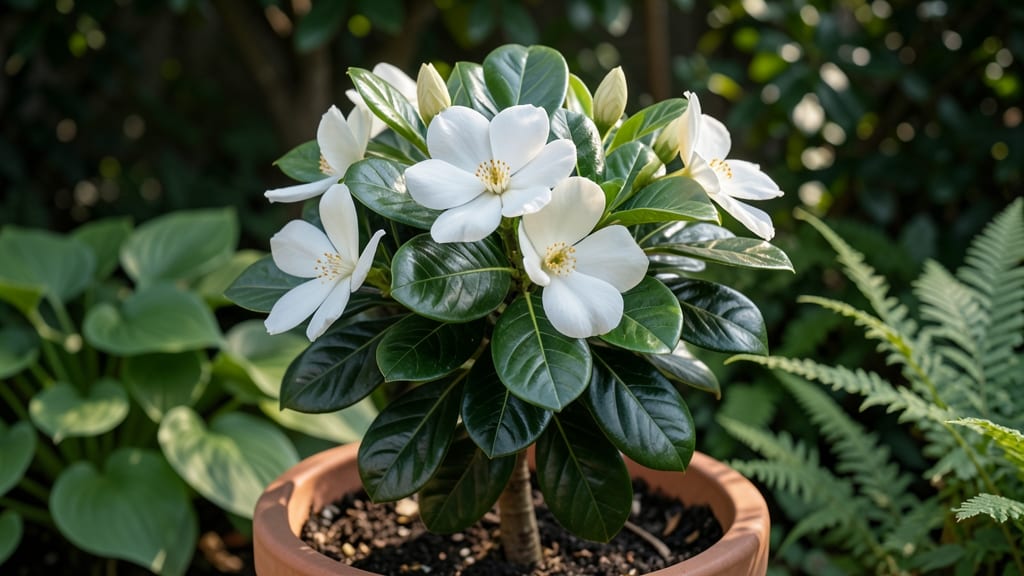
A full grown gardenia 🌸 can reach heights of 3 to 6 feet, transforming your garden into a fragrant paradise—but only if you care for it right.
Picture this: your gardenia is loaded with blooms, its intoxicating scent drifting through the air, while your neighbor’s shrub looks half-dead and sparse. The difference? Pruning at the right times and knowing how to encourage those lush, fragrant flowers.
This isn’t just about trimming back overgrowth—it’s about understanding when to prune for shape, when to stimulate new growth, and how to avoid mistakes that kill blooms. With the right schedule, your gardenia can reward you with year-round fragrance and a fuller, healthier appearance.
In this guide, you’ll learn the exact pruning schedule for each season, how to revive an over-pruned shrub, and the best placement for maximum blooms. Let’s get your gardenia thriving!
Seasonal pruning schedule for full grown gardenia trees
Your full grown gardenia thrives on precise pruning timing to balance fragrance production and plant health. Unlike many shrubs, gardenias bloom on old wood, meaning last year's growth produces this year's flowers.
Prune incorrectly, and you risk losing those iconic white blooms and intoxicating scent. The key is understanding when to shape versus when to stimulate new growth—and this schedule makes it simple.
Gardenias need three main pruning goals: removing dead/diseased wood, shaping for airflow, and encouraging fresh growth. Spring is your prime time for heavy pruning, while summer focuses on light maintenance. Fall and winter are all about cleanup and preparation.
Let's break down the month-by-month approach that keeps your gardenia blooming like a pro.
Pro Tip: Always use sterilized pruning shears and cut at a 45-degree angle just above a leaf node. This prevents disease spread and promotes faster healing. I've pruned gardenias for over 10 years, and this method keeps them thriving in USDA Zone 9b and beyond.
| Season | Months | Pruning Goal | What to Cut | Avoid Cutting |
|---|---|---|---|---|
| Spring | March-April | Heavy shaping & rejuvenation | Dead/diseased wood, crossing branches, 1/3 of oldest growth | Flower buds (they're forming now!) |
| Summer | June-August | Light maintenance | Only new growth that's leggy or blocking airflow | More than 20% of foliage |
| Fall | September-October | Cleanup & winter prep | Yellowing leaves, weak stems, any dead wood | Healthy green growth (wait for spring!) |
| Winter | November-February | Dormant maintenance | Only remove frozen/damaged branches | Anything except absolute necessities |
Let's start with spring pruning (March-April), your most critical window. This is when you should remove up to one-third of the plant's oldest growth to encourage fresh, fragrant blooms. Focus on dead wood first—it's the easiest to spot with its brown, brittle branches.
Then tackle crossing branches that rub against each other, creating wounds where disease can enter.
For shaping, aim to create an open center that allows air circulation. Gardenias hate humid, stagnant air—it's a recipe for fungal issues like powdery mildew. Cut just above a leaf node (the bump where leaves grow) at a 45-degree angle.
This encourages new growth in the right direction. Never cut into old wood where last year's flower buds are forming.
In summer (June-August), switch to light maintenance only. This is when your gardenia is actively blooming or preparing to bloom. Your goal is to remove only new growth that's become leggy or is blocking sunlight from reaching the center.
Avoid heavy pruning—it stresses the plant when it's already working hard to produce flowers. If you see yellowing leaves, it's usually a sign of overwatering or nutrient deficiency, not a reason to prune.
Fall (September-October) is all about cleanup. Remove any yellowing leaves, weak stems, or dead wood that's accumulated over summer. This prevents pests and diseases from overwintering in your gardenia. Never prune for shape in fall—you'll be cutting off next year's flower buds.
Instead, focus on sanitizing the plant for winter. A light application of copper fungicide can help prevent fungal issues during dormancy.
Winter (November-February) is the off-season for pr
How to prune gardenia after flowering for next year’s blooms
After your full grown gardenia finishes its stunning floral display, proper post-bloom pruning is the secret to next year’s abundant fragrance. This is your chance to shape the shrub while encouraging new growth that will produce even more blooms.
The key is timing—wait until all flowers have faded before touching your shears.
Gardenias bloom on new wood, meaning they produce flowers from current season’s growth. By pruning after flowering, you’re removing spent blooms and encouraging lush foliage that will support future blossoms. Aim to trim back 1/3 of the plant’s height while maintaining a natural, balanced shape.
- Step 1: Remove dead or diseased branches first using sterilized pruners. Cut at a 45-degree angle just above a leaf node to encourage outward growth.
- Step 2: Trim back overly long branches by 1/3 of their length. Focus on branches growing inward to open up the center for better airflow and light penetration.
- Step 3: Shape the shrub by cutting just above outward-facing buds. This technique directs growth outward, creating a fuller, more compact plant with better blooming potential.
- Step 4: Use sharp, clean pruners to make smooth cuts about 1/4 inch above a leaf. Avoid tearing the bark, which can invite disease and pests.
- Step 5: Dispose of pruned branches immediately to prevent fungal spread. Never leave cuttings on the ground near your gardenia.
When pruning your full grown gardenia, always use sterilized tools to prevent spreading disease. Disinfect your pruners with rubbing alcohol before and after each use. I recommend bypass pruners for clean cuts on thicker branches and hand pruners for finer trimming.
After pruning, give your gardenia a light feeding with an acid-loving fertilizer to support new growth. Water deeply to help the plant recover from the stress of pruning. Avoid heavy fertilization immediately after pruning, as this can burn new growth.
With proper post-bloom pruning, your full grown gardenia will reward you with even more fragrant blooms next season. The key is patience—new growth takes time, but the results are worth it. Keep an eye on your plant’s growth patterns and adjust your pruning approach each year.