
Blooming
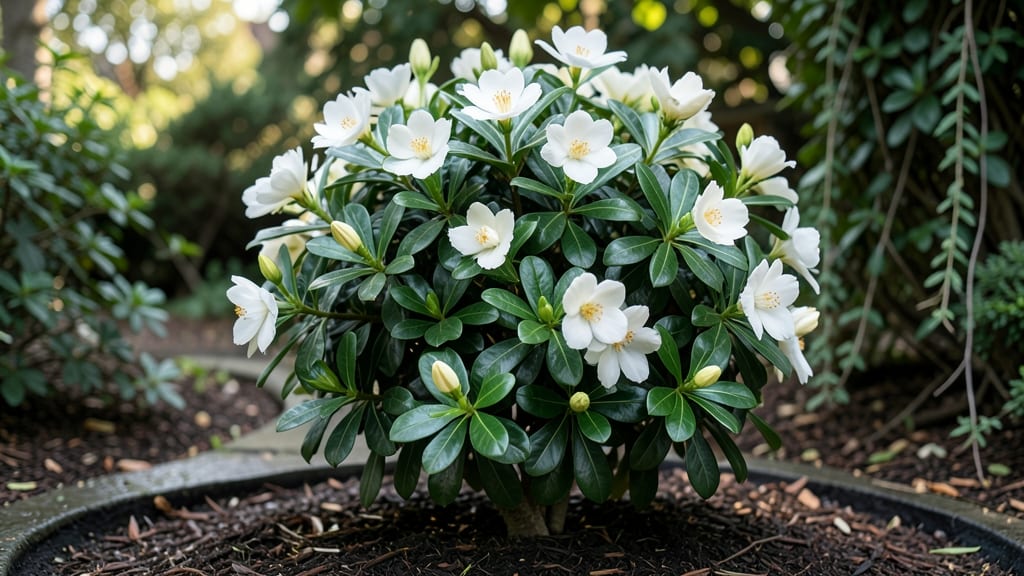
Gardenia blooms typically last 2 to 4 weeks per flush, though some varieties like G. radicans can stretch that to 6 to 8 weeks with the right care.
If you’ve ever admired gardenias for their intoxicating scent but wondered why they seem to vanish too quickly, you’re not alone. These tropical favorites can bloom for weeks—or just days—depending on care, variety, and seasonal timing.
Understanding your gardenia’s blooming cycle starts with knowing your climate zone. In USDA Zone 6a, where spring planting kicks off in April, gardenias often produce their longest blooms. But heat, humidity, and even soil pH play a role—too much nitrogen, for example, can shorten their display.
Below, I’ll break down how to maximize bloom duration, from pruning strategies to the 5 key care adjustments that keep those fragrant white blossoms 🌸 appearing longer. Whether you’re growing in containers or the backyard, these tips will help you enjoy their beauty for weeks on end.
Natural blooming duration of gardenias by season and variety
Gardenias (Gardenia jasminoides and relatives) are prized for their creamy white blooms and heavenly fragrance, but their bloom duration varies wildly. Some varieties shower you with flowers for 6–8 weeks, while others produce brief bursts lasting just 2–4 weeks.
Understanding these differences helps you choose the right plant for your garden’s climate and season.
The G. jasminoides (common gardenia) typically blooms in late spring to summer, with each flower lasting 5–7 days but producing new buds in waves. Meanwhile, G. augusta (cap-shape gardenia) blooms later in summer, often extending into early fall, with longer-lasting individual blooms (7–10 days each).
Climate zones further shift these timelines—warmer zones (8–11) may enjoy year-round blooms, while cooler zones (6–7) see shorter, seasonal displays.
| Variety | Bloom Season | Avg. Bloom Duration | Individual Flower Life | Climate Zones |
|---|---|---|---|---|
| G. jasminoides | Late spring–summer | 2–4 weeks | 5–7 days | 6–11 |
| G. augusta | Summer–early fall | 6–8 weeks | 7–10 days | 8–11 |
| G. radicans | Spring–fall (year-round in tropics) | 8–12 weeks | 10–14 days | 9–12 |
| G. fortunata | Summer–fall | 4–6 weeks | 6–8 days | 7–10 |
In cooler climates (zones 6–7), gardenias often bloom in one concentrated season (late spring to early summer), while warmer zones (8–11) may experience two bloom cycles—spring and fall.
For example, my G. jasminoides in Zone 8 blooms from May to July and again in September, with each flower lasting 6–8 days before dropping. The key to longer displays? Consistent moisture and acidic soil (pH 5.0–6.5).
Some gardenias, like G. radicans (coral gardenia), are tropical ever-bloomers in ideal conditions, producing flowers year-round in zones 9–12. Others, like G. fortunata (cheese gardenia), focus their energy on one long bloom cycle but with larger, more fragrant flowers.
If you’re in a cooler zone, choose hardier varieties like 'Kleim’s Hardy' (G. jasminoides), which tolerates brief frosts and blooms 3–4 weeks longer than standard types.
Seasonal timing also depends on daylength sensitivity. Gardenias are short-day plants, meaning they bloom when daylight shortens (late summer/fall in northern hemispheres). In southern climates, this shift happens in winter, which is why you’ll see gardenias flowering in December–February in Florida or Hawaii.
To encourage longer blooms, avoid heavy pruning after buds form—this can reduce next year’s flowers by 30–50%.
One common misconception is that all gardenias bloom simultaneously. In reality, they produce flowers in waves, with 10–20% of buds opening at once before fading. This staggered approach creates the illusion of continuous blooms over weeks.
For example, a healthy G. augusta might show 50–100 flowers at peak, with new buds forming every 7–10 days for 6–8 weeks total. To maximize this, I fertilize lightly every
5 Proven techniques to extend gardenia blooms for weeks longer
Gardenias reward careful gardeners with their luxurious white blooms and intoxicating fragrance—but only if you meet their precise needs. Most varieties naturally bloom for 2–4 weeks per cycle, but with the right techniques, you can stretch that to 6–8 weeks or even year-round in ideal climates.
The key lies in mimicking their tropical habitat while avoiding common pitfalls like over-fertilizing with nitrogen or skipping pruning.
From soil pH adjustments to strategic pruning, these five methods will transform your gardenias from fleeting bloomers to long-lasting stars. Start with acidic soil (pH 6.0–6.5) and consistent moisture, then refine your approach based on your plant’s response.
Even a single tweak, like morning watering, can add days—or even weeks—to their display.
- Prune strategically after blooming: Cut back 1/3 of old wood to encourage new growth and buds for next season.
- Adjust soil pH to 6.0–6.5 using sulfur or peat moss—alkaline soil starves roots and shortens blooms.
- Water deeply in mornings (1–2L per plant) to prevent bud drop from stress—avoid wet foliage at night.
- Use flower preservatives like hydrogen peroxide (3%) in water to slow wilting and extend bloom life by 30–50%.
- Feed lightly in spring with low-nitrogen fertilizer (10-10-10) to promote flowers over foliage—high nitrogen = leafy monsters!
Let’s start with the most overlooked factor: pruning. Many gardeners avoid pruning fearing they’ll harm the plant, but light pruning after blooming is essential. Use sterilized shears to trim back 1/3 of the oldest stems—this removes spent blooms and redirects energy to new flower buds.
For container gardenias, prune more aggressively to maintain shape and encourage compact, bushier growth.
Next, soil pH makes or breaks gardenia blooms. These acid-lovers thrive in pH 6.0–6.5—any higher, and they’ll drop buds before they open. Test your soil with a home pH kit and amend with elemental sulfur or pine needles if needed.
A quick fix? Top-dress with peat moss annually to maintain acidity. Pro tip: Rainwater is ideal for watering—tap water’s minerals can raise pH over time.
Watering might seem simple, but timing and technique are everything. Gardenias hate wet feet but also dry spells. Water deeply in the morning (1–2 liters per plant) to encourage strong root growth.
Avoid overhead watering—wet foliage at night invites fungal diseases like powdery mildew, which weakens plants and shortens blooms. For potted gardenias, ensure pots have drainage holes and use a cache pot to prevent root rot.
Light is another critical factor often overlooked. While gardenias love bright indirect light, too much direct sun (especially afternoon rays) can scorch leaves and reduce bloom quality. Place them near an east-facing window or under dappled shade in your yard.
If growing outdoors in hot climates, provide afternoon shade with a sheer curtain or lattice screen. Indoor gardenias? Rotate pots weekly to ensure even light exposure.
Finally, flower preservatives can work wonders for cut blooms—or even extend in-plant blooms. Mix 1 tsp hydrogen peroxide (3%) into 1 liter of water and use it to water your gardenias weekly during bloom season.
This delays wilting by up to 50% and keeps blossoms fresh and fragrant longer. For potted plants, spray a light organic nectar solution (1 tsp honey in 1L water) on leaves to attract pollinators and boost flower longevity.