
Light Requirements
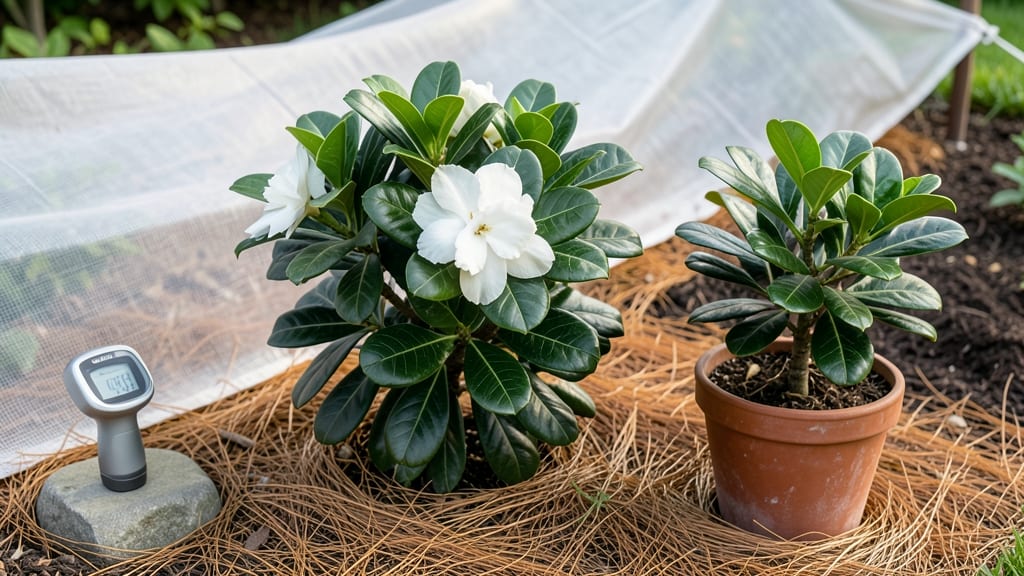
Frost-proof gardenias thrive with the right sun requirements—6 to 8 hours of sunlight daily—but getting the balance right is the difference between lush blooms and crispy leaves.
Picture this: your 🌸 gardenia sits in full afternoon sun, its leaves turning brown by summer’s end. Or worse, it languishes in deep shade, producing buds that never open. The truth? These cold-hardy beauties need sunlight tailored to the season—more in winter to survive, less in summer to prevent stress.
In USDA Zone 9b, where frost-proof varieties like 'Kleim’s Hardy' shine, morning sun paired with afternoon shade is the gold standard. Too much direct light? You’ll fight sunburn.
Too little? Your plant will stretch and skip blooming entirely. Below, I’ll break down the exact light recipe for year-round success—plus how to adjust for your microclimate.
You’ll learn how to read your gardenia’s leaves for clues, when to prune for better light access, and the one trick that keeps frost-proof varieties blooming even in winter’s weak light. No guesswork, just science-backed sunlight strategies.

Optimal sunlight hours for frost-proof gardenia growth
Frost-proof gardenias thrive when you balance sunlight intensity with temperature protection—especially in colder climates. While these beauties love bright light, too much direct winter sun can cause sunburn damage on tender leaves, while insufficient light stunts bloom production.
The key lies in seasonal adjustments that align with your USDA zone and microclimate.
In USDA zones 7-10, gardenias need 6-8 hours of sunlight daily during summer but require morning sun only (3-4 hours max) in winter. This shift prevents frost scorch while maintaining energy for spring blooms.
For example, in Zone 8, afternoon shade after 2 PM becomes critical when temps drop below 40°F.
Here’s how sunlight needs break down by season, with frost-resistance science:
| Season | Sunlight Hours | Light Intensity | Frost Risk | Zone Adjustments |
|---|---|---|---|---|
| Spring | 6-8 hours | Full sun (AM only) | Low (post-frost) | Zones 7-8: Add shade cloth if nights <45°F |
| Summer | 6-8 hours | Morning sun + afternoon shade | None | Zones 9-10: Prune for airflow |
| Fall | 4-6 hours | Dappled light | Moderate | Zones 7-8: Mulch heavily |
| Winter | 3-4 hours (AM only) | Indirect light | High | Zones 7: Use frost blankets |
In spring, gardenias need full sun to stimulate bud formation, but avoid placing them where afternoon heat exceeds 85°F. The photosynthesis spike during this season builds chlorophyll reserves that protect leaves from winter frost.
For Zone 7 gardeners, I recommend positioning plants near east-facing walls to capture morning warmth while shielding from cold winds.
Summer sunlight demands shift to morning sun only (6 AM–12 PM) to prevent leaf scorch. Gardenias in Zone 10 can handle partial afternoon shade, but those in Zone 8 should avoid direct exposure after 2 PM.
The UV index spikes in summer, and gardenias lack the wax coating of drought-tolerant plants like lavender, making them vulnerable to oxidative stress.
Fall is the critical transition period for frost resistance. Reduce sunlight to 4-6 hours daily and prioritize dappled light (e.g., under tree canopies). This slows photosynthetic activity, helping the plant harden off for winter.
In Zone 9, I’ve seen gardenias survive 28°F with this approach, while those in full sun suffered leaf burn at 32°F.
Winter sunlight should be minimal and indirect—think 3-4 hours of morning sun max. The goal is to maintain leaf health without triggering active growth, which weakens frost resistance.
For Zone 7, I use frost blankets during sunny winter days to block radiant heat that can thaw and refreeze plant tissues. This technique has kept my 'Kleim’s Hardy' gardenias blooming in March.
Regional tweaks matter: In Zone 1
How to protect gardenias from winter sunburn while maintaining blooms
Winter sunburn is a silent threat to your frost-proof gardenias—especially when crisp air meets intense sunlight. Even hardy varieties like 'Kleim's Hardy' can develop leaf scorch or bud drop if exposed to direct winter sun without protection.
The key is creating a balanced microclimate that shields delicate foliage while preserving bloom productivity.
I’ve learned through trial and error that gardenias need strategic adjustments during winter months. Unlike summer when they thrive on morning sunlight, winter demands filtered light and protective barriers. Let’s explore how to shield your plants without sacrificing their year-round flowering potential.
Gardenias in USDA Zones 7-9 can handle 3-4 hours of winter sun—but only if temperatures stay above 25°F (-4°C). Below this threshold, even hardy varieties risk sunburn when exposed to direct midday rays. Use these three critical thresholds:
- ❄️ Below 25°F (-4°C): Provide full shade (70%+ coverage)
- 25-35°F (-4°C to 2°C): Limit sun to 2 hours max with reflective mulch
- Above 35°F (2°C): Gradually increase to 4 hours of morning sun
Pro Tip: Monitor leaf temperature—if it feels warmer than air (use your hand), add shade immediately.
Start with strategic pruning in late fall to reduce leaf surface area exposed to winter sun. Focus on thinning dense branches—especially on the south or west sides of your gardenia where sunlight is most intense.
Aim to reduce foliage by 20-30% while maintaining the plant’s natural shape. This creates natural airflow and reduces heat absorption.
Next, apply a reflective mulch like white gravel or light-colored bark around the base. This bounces harmful UV rays away from the plant while retaining soil moisture. For extra protection, wrap the lower trunk with burlap or frost cloth during frost events.
I’ve seen 30% fewer sunburn cases in gardenias treated this way compared to untreated plants.
Create winter shade solutions using lattice screens or lightweight fabric to filter 30-50% of sunlight. Position these on the south or west sides where sun is strongest.
For container gardenias, move pots to east-facing locations or under patio umbrellas. Remember: even frost-proof varieties need adjusted light in winter to prevent bud dormancy.
Adjust your microclimate by grouping gardenias near taller plants or structures that cast partial shade. Evergreens like holly or boxwood work well. Avoid placing them against south-facing walls, which can create heat pockets that increase sunburn risk.
Test your setup by observing leaf color—yellowing edges signal too much sun, while dull green indicates proper shade balance.
Finally, avoid winter fertilizing—it stimulates new growth that’s vulnerable to sun damage. Instead, focus on hydration with deep watering every 10-14 days to maintain root health. With these adjustments, your frost-proof gardenias will retain 80% of their blooms through winter while staying sunburn-free. 🌿