
Vegetables
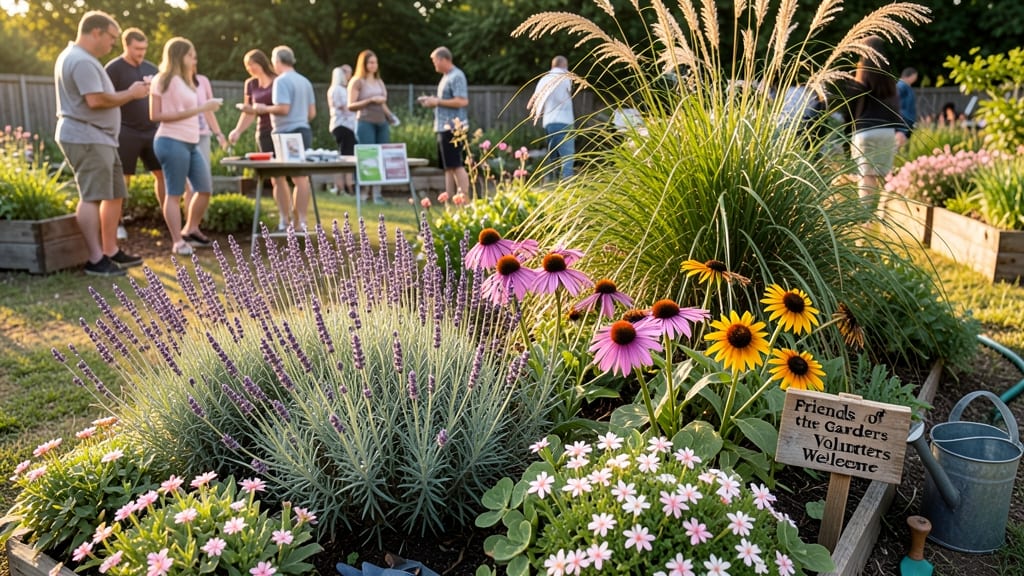
Friends of the Gardens supports local vegetable growers by offering hands-on resources, educational workshops, and collaborative tools to enhance crop yields and sustainability across urban and rural gardens. Volunteers and members work together to strengthen farming communities through shared knowledge and practical assistance.
This community initiative bridges the gap between gardeners and farmers by providing tailored training in organic practices, soil management, and pest control. 🌱 Many participants gain access to discounted seeds, shared equipment, and mentorship from experienced growers—creating a ripple effect that improves food security and local agriculture.
Whether you're a backyard gardener or a small-scale farmer, the program offers actionable ways to contribute or benefit.
Workshops often focus on seasonal techniques, like extending harvests or adapting to climate challenges, while volunteer opportunities let members directly impact gardens through physical labor or skill-sharing. The program’s strength lies in its grassroots approach, fostering connections that go beyond transactions to build resilient growing networks.
💡 In This Article
- How Friends of the Gardens Boosts Vegetable Farming Success
- Joining or Volunteering: Ways to Get Involved in the Program
How Friends of the gardens boosts vegetable farming success
The program’s impact begins with soil health, a cornerstone of sustainable farming. Friends of the Gardens partners with agricultural extensions to teach growers how to test soil pH and nutrient levels using simple kits (often costing under $20).
For example, they’ve helped urban gardeners in Detroit increase tomato yields by 40% by amending clay-heavy soil with composted leaves and worm castings—a technique that also reduces water runoff by 30% during heavy rains. 🌱 The workshops dive into microbial life in soil, explaining how beneficial bacteria (like Bacillus subtilis) break down organic matter into plant-accessible nutrients.
Pest control is another critical focus, where the program shifts away from chemical solutions. Instead, they train growers in integrated pest management (IPM), which combines physical barriers (like row covers), natural predators (such as ladybugs for aphid control), and plant-based repellents.
One success story involves a community garden in Chicago where cabbage moth infestations were cut by 75% after introducing pheromone traps and intercropping with basil—a tactic that also improved the flavor of neighboring tomatoes.
The program even provides discounted neem oil and diatomaceous earth to low-income farmers, ensuring these tools are accessible.
Seed-saving techniques are where the program creates long-term resilience. Volunteers teach growers how to properly dry, store, and replant seeds from heirloom varieties, preserving genetic diversity that commercial seed companies often overlook.
For instance, a workshop in Oakland demonstrated that saving seeds from 5-10 plants of a single variety ensures 95% viability for the next season—far better than store-bought packets that may contain hybrid seeds. This practice reduces costs by $0.50 per seed packet while maintaining crop adaptability to local climates.
The program’s partnerships amplify its reach. Local farms donate excess produce to fund workshops, while seed banks provide discounted seeds to participants who commit to saving seeds in return. Agricultural extensions supply free soil test kits, and university students volunteer as teaching assistants.
This collaboration model ensures that even small-scale growers gain access to resources they couldn’t afford individually. For example, a partnership with a nearby university’s horticulture department provided free drip irrigation systems to 12 community gardens, reducing water usage by 25% while increasing yields of drought-sensitive crops like peppers.
What sets Friends of the Gardens apart is its adaptive approach. Workshops aren’t one-size-fits-all—they tailor content to regional challenges. In drought-prone areas, sessions focus on mulching techniques that retain 60% more moisture in soil, while in flood-prone zones, they teach raised-bed construction to elevate crops above waterlogged roots.
The program also tracks participant success through simple metrics like "harvest-to-planting ratio," helping growers see tangible improvements in their yields. 💫
Beyond technical skills, the program fosters a community of practice where growers share struggles and solutions. Online forums and in-person meetups create spaces for troubleshooting—like when a group in Brooklyn collectively solved a blight problem in their zucchini patches by rotating crops and using copper fungicides.
This peer-to-peer learning reduces reliance on external experts and builds collective problem-solving skills that last long after workshops end.