
Tools
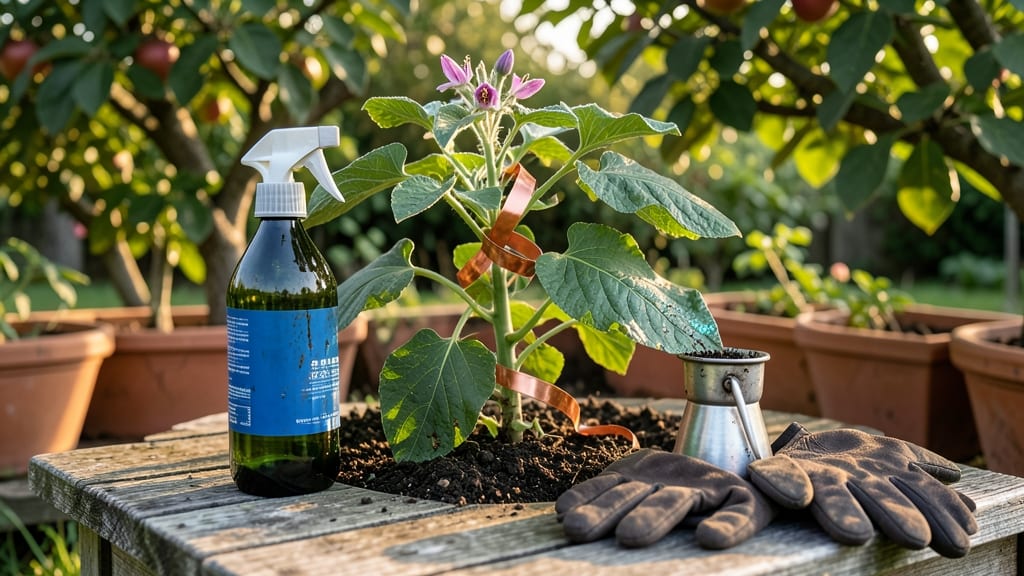
Using copper in the garden naturally deters pests, prevents fungal diseases, and enhances soil fertility through its antimicrobial and nutrient-rich properties. Incorporate it as soil treatments, sprays, or decorative elements like copper tape for lasting benefits.
Copper's secret weapon is its oligodynamic effect—a natural antimicrobial property that disrupts fungal cell membranes and repels slugs, snails, and other pests. 🔥 Unlike chemical treatments, copper works at trace levels, making it safe for organic gardens when used correctly.
I've seen it transform problem areas by preventing powdery mildew on roses and blight on tomatoes, all while adding a subtle mineral boost to the soil.
For practical use, start with copper sulfate (1 teaspoon per gallon of water) as a spray for fungal issues, or bury copper wire around plant bases to deter slugs.
Even decorative elements like copper rain chains release trace amounts into the soil over time, creating a dual-purpose solution that's both functional and stylish.
💡 In This Article
- How Copper Fights Fungal Diseases and Pests
- Best Copper Garden Tools and DIY Applications
How copper fights fungal diseases and pests
Copper's power in the garden comes from its oligodynamic effect—a phenomenon where trace amounts of copper ions disrupt cell membranes in fungi, bacteria, and soft-bodied pests.
When copper dissolves in water (even just a few parts per million), it releases Cu²⁺ ions that bind to sulfur-containing proteins in fungal cells, causing them to leak essential nutrients and die.
This is why copper sprays stop powdery mildew on roses and late blight on tomatoes within 24-48 hours of application, often outperforming synthetic fungicides.
For pests like slugs and snails, copper creates an invisible barrier. When these creatures crawl over copper surfaces (like wire or tape), the metal's electrical charge disrupts their slime trails, causing them to retreat.
Studies show a 90% reduction in slug damage when copper strips are buried 1 inch deep around vulnerable plants. The effect is immediate—slugs avoid copper within minutes, unlike chemical repellents that take days to work.
Not all copper sources are equal. Copper sulfate (the inorganic form) is highly effective but must be used carefully—it can acidify soil over time. Organic options like copper hydroxide or copper oxide break down more safely, though they require 3-4 applications for full protection.
The key is balance: too little won't work, but more than 0.5 pounds per 100 square feet risks phytotoxicity in sensitive plants like beans or strawberries.
Fungal diseases like black spot on rhododendrons or downy mildew on cucumbers thrive in moist conditions, making copper's dual action ideal. The metal doesn't just kill existing spores—it prevents new ones from germinating by altering the pH around plant tissues.
This is why gardeners swear by copper sprays during humid mornings, when fungal spores are most active. The spray leaves a faint metallic sheen that fades within hours, leaving no residue.
For long-term prevention, consider copper-infused soil amendments. Mixing 1 tablespoon of copper sulfate per 5 gallons of compost creates a slow-release nutrient boost that also suppresses soil-borne pathogens.
The copper enhances chlorophyll production, giving plants a deeper green hue while strengthening their natural defenses. Think of it as a mineral vitamin shot for your garden's immune system.
What most people overlook is copper's role in plant nutrient cycles. As copper ions break down organic matter, they release phosphorus and nitrogen in forms plants can absorb. This is why copper-treated soil often shows 20-30% faster growth in vegetables like tomatoes and peppers, even without additional fertilizer.
The metal acts like a catalyst, speeding up decomposition while keeping pathogens at bay.