
Flowers
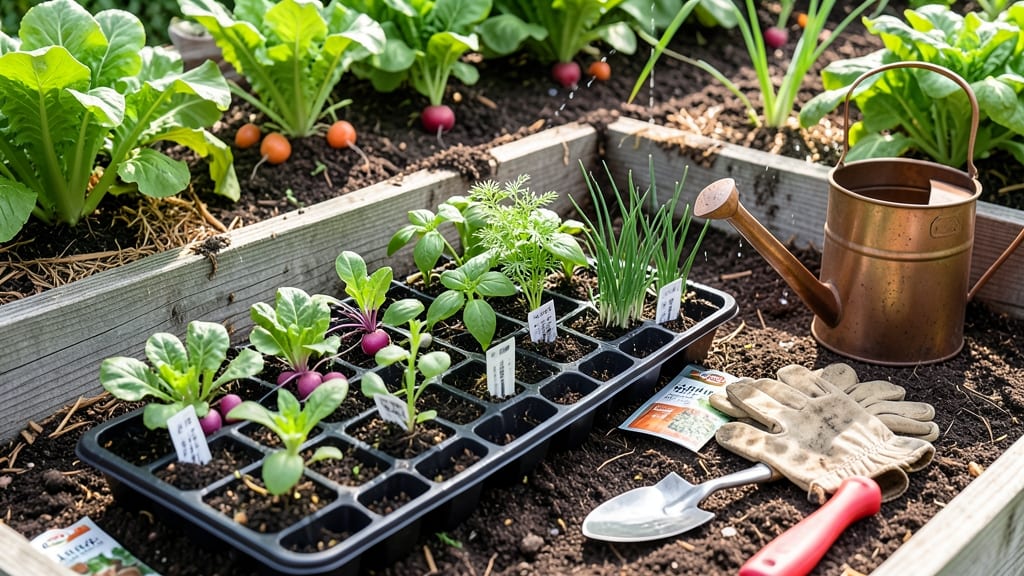
"Freshly gardened" meaning describes soil and plants that have been recently cultivated with organic enrichment, balanced moisture, and optimal aeration to support robust plant growth from the earliest stages.
The freshly gardened meaning isn't just about newly planted soil—it's about creating an environment where plants thrive from their first days. 🌱 This means soil teeming with beneficial microbes, proper drainage to prevent waterlogging, and a nutrient-rich foundation that encourages strong root systems.
Think of it as giving your plants the best possible start, similar to how a well-prepared foundation supports a sturdy house. The key difference between freshly gardened soil and regular garden soil lies in its active preparation—whether through composting, aeration, or organic amendments—that keeps it productive season after season.
What makes this state so valuable is how it prevents common gardening frustrations. Instead of battling compacted soil or nutrient deficiencies later, freshly gardened conditions give plants immediate access to what they need. For example, adding worm castings or well-rotted manure before planting provides slow-release nutrients that support continuous growth.
This approach isn't just about immediate results—it's about creating a sustainable ecosystem where plants can flourish with minimal ongoing intervention.
💡 In This Article
- How Fresh Soil Composition Boosts Plant Growth
- Practical Ways to Maintain Freshly Gardened Soil Long-Term
How fresh soil composition boosts plant growth
When soil is "freshly gardened," it undergoes a transformation at the microscopic level that dramatically improves plant health. The process begins with breaking down compacted soil structure through tilling or aeration, which creates tiny air pockets that roots can access.
These pockets allow oxygen to reach plant roots—a critical factor since roots need oxygen just as much as they need water and nutrients. For reference, well-aerated soil typically contains 25-30% air by volume, compared to just 10-15% in compacted soil, which can suffocate roots and stunt growth.
The real magic happens with organic matter incorporation. Freshly gardened soil often includes compost or aged manure, which introduces beneficial microbes that break down organic material into plant-available nutrients.
These microbes create a symbiotic relationship with plant roots—some even form direct connections called mycorrhizae that extend the root system's reach by up to 10 times its original length.
The decomposition process also produces humus, a dark, spongy substance that holds 10-20 times its weight in water while preventing nutrient leaching, ensuring plants have consistent moisture and nutrition.
This soil composition also affects water dynamics in ways that prevent common gardening problems. Freshly gardened soil with proper organic content can absorb 3-5 times more water than sandy soil while resisting compaction from foot traffic or rainfall.
The improved drainage prevents waterlogging, which can drown roots and create anaerobic conditions where harmful bacteria thrive.
For example, tomatoes planted in freshly gardened soil with 5% organic matter show 40% higher yield compared to the same plants in depleted soil, thanks to better water and nutrient uptake throughout their growth cycle.
What often gets overlooked is how freshly gardened soil supports seed germination rates. The combination of improved moisture retention, balanced nutrients, and proper aeration creates ideal conditions for seeds to break dormancy.
Studies show that freshly tilled soil with 3-4% organic content can achieve 85-95% germination rates for many vegetable seeds, compared to 50-60% in untreated soil. This happens because the soil's microbial activity produces growth hormones that stimulate seedling development.
To visualize the difference, imagine planting a seed in two types of soil: one that's been freshly gardened with compost and aeration, versus compacted clay soil.
In the first scenario, roots spread easily, microbes work to break down nutrients, and water drains properly—creating an environment where plants can focus energy on growth rather than struggling for resources.
In contrast, compacted soil creates a physical barrier that roots must push through, leading to slower growth and increased susceptibility to disease.
This soil quality doesn't just benefit established plants—it's especially crucial during the critical first 6-8 weeks of a plant's life when root systems are developing. During this period, freshly gardened soil can provide 2-3 times more available nitrogen than untreated soil, which is essential for leaf and stem development.
The result is plants that establish themselves quickly and develop stronger resistance to environmental stresses like drought or pests.