
Vegetables
Creating a French kitchen garden 🌱 lets you grow a bounty of fresh herbs, vegetables, and flowers in a space-efficient layout that looks as beautiful as it is productive.
Imagine stepping into your kitchen and plucking fresh herbs, crisp lettuce, and ripe tomatoes—all grown in a compact, elegant French kitchen garden that thrives year-round, even in limited space.
This traditional yet modern approach to gardening isn’t just about saving space; it’s about designing a garden that works with your lifestyle, whether you have a tiny balcony or a sprawling backyard.
In this guide, I’ll walk you through the best layouts, seasonal crops, and pro tips to keep your French kitchen garden flourishing from spring to fall—no green thumb required.
Classic French kitchen garden layouts for small spaces
A French kitchen garden, or potager, traditionally features geometric beds filled with herbs, vegetables, and flowers arranged in a visually pleasing yet highly functional layout. The key to adapting these layouts for small spaces lies in maximizing vertical space, using raised beds, and selecting compact, high-yield crops.
Whether you have a balcony, window box, or tiny backyard, these time-honored techniques will help you grow like a Parisian market gardener.
The classic French approach emphasizes square-foot gardening, where plants are spaced precisely to eliminate waste. In a 4'x4' raised bed, you can fit 16 square feet of growing space, perfect for arranging crops in a grid pattern.
For even smaller areas, vertical gardening with trellises or hanging planters transforms walls and fences into productive growing surfaces. This method is ideal for cucumbers, beans, and peas, which naturally climb and save floor space.
Comparison of French Kitchen Garden Layouts for Small Spaces
| Layout Type | Space Requirements | Best Crops | Pros | Cons |
|---|---|---|---|---|
| Square-Foot Gardening | 4'x4' raised bed (16 sq ft) | Lettuce, Radishes, Carrots, Basil, Chives | High yield, easy access, no waste | Requires precise spacing |
| Vertical Trellis | 2'x2' footprint (wall-mounted) | Cucumbers, Pole Beans, Peas, Malabar Spinach | Saves floor space, great for climbers | Needs sturdy support, regular pruning |
| Window Boxes | 12"–18" width (per box) | Herbs (Thyme, Parsley), Dwarf Tomatoes, Lettuce | Perfect for apartments, portable | Limited depth, frequent watering |
| French Intensive Beds | 3'x6' raised bed (18 sq ft) | Onions, Garlic, Beets, Swiss Chard, Kale | Deep soil, year-round growing | Heavier on soil prep |
| Hanging Baskets | 12"–16" diameter | Strawberries, Cherry Tomatoes, Herbs (Oregano) | Aesthetic, great for patios | Limited root space, frequent feeding |
One of the most space-efficient French techniques is the quatre saisons (four seasons) layout, where crops are rotated based on their growing seasons. For example, plant winter-hardy kale and spring radishes in the same bed, then transition to summer tomatoes and fall lettuce.
This method ensures your garden stays productive year-round without needing extra space for seasonal swaps.
For ultra-small spaces, consider a French herb spiral, a circular design that maximizes microclimates. The outer edge gets the most sun for drought-tolerant herbs like rosemary, while the center stays cooler for moisture-loving plants like parsley.
This layout fits neatly into a 3-foot diameter circle and is perfect for balconies or courtyard gardens.
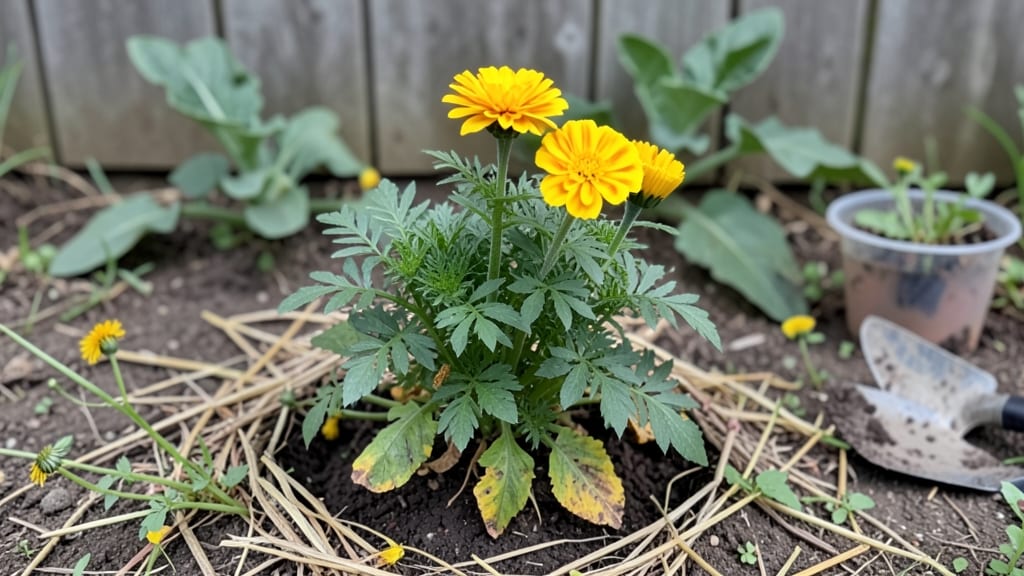
Another French favorite is the mixed border, where edible plants are interspersed with ornamental flowers like nasturtiums or marigolds. This not only adds beauty but also deters pests naturally.
In a 1'x3' raised bed, you could plant bush beans along one side, lettuce in the center, and marigolds at the edges. The flowers act as a living mulch, suppressing weeds while attracting beneficial insects.
If you're working with container gardening, prioritize deep-rooted crops like carrots or potatoes in larger pots (at least 12 inches deep) and shallower-rooted plants like basil or lettuce in smaller containers.
A 5-gallon bucket can grow a dwarf tomato plant or a bush cucumber, while a hanging planter works well for trailing herbs like thyme or oregano.
To mimic the French potager’s elegance, use gravel paths to define beds and keep weeds at bay. In small spaces, a 2-foot-wide path made of decomposed granite or stepping stones creates a polished look while allowing easy access.
Pair this with low edging (like metal or stone) to keep plants contained and your garden looking neat and intentional.
Finally, don’t overlook the power of companion planting to maximize your small space. For instance, basil and tomatoes thrive together, while carrots and onions deter pests naturally. By grouping plants with similar needs, you reduce competition for nutrients and sunlight, making the most of every inch.
With these layouts, even a tiny urban garden
Best year-round crops for French kitchen gardens by season
A French kitchen garden thrives on seasonal diversity, blending cold-hardy greens with heat-loving tomatoes and autumn squash. The key? Strategic planting to ensure fresh produce year-round, even in compact spaces.
I’ve curated a selection of crops that align with traditional French potager principles while adapting to modern small-space gardening.
Each crop is chosen for its adaptability to French-style layouts, whether grown in raised beds, square-foot gardens, or vertical trellises.
Below, I’ve organized them by season, including planting times, spacing guidelines, and companion planting tips to maximize yields and minimize pests—just like a Provençal potager.
🌱 Did You Know? French kitchen gardens often use intercropping—planting fast-growing crops like radishes between slower carrots or lettuce between onions. This technique saves space and extends harvests.
| Season | Crop | Planting Time | Spacing | Companion |
|---|---|---|---|---|
| Winter | Winter Lettuce (e.g., 'Winter Density') | August-September (fall) or March (spring) | 8-12 inches apart | Carrots, Radishes |
| Spring | Radishes (e.g., 'Cherry Belle') | March-April or August-September | 2-3 inches apart | Lettuce, Spinach |
| Summer | Cherry Tomatoes (e.g., 'Sweet 100') | April-May (after frost) | 18-24 inches apart | Basil, Marigolds |
| Autumn | Butternut Squash | May-June or July-August | 36-48 inches apart | Nasturtiums, Beans |
| Year-Round | Chives or Thyme | Spring or fall (perennial) | 6-12 inches apart | Most vegetables |
For spring planting, start with fast-growing radishes and spinach—they tolerate light frosts and mature quickly. Pair them with onions or leeks, which deter pests like carrot flies. In summer, prioritize tomatoes and peppers, but don’t overlook shade-tolerant greens like Swiss chard for late-season harvests.
Autumn is prime for squash and kale, both of which thrive in cooler weather. Use vertical trellises for cucumbers or beans to save space, and interplant with garlic or rosemary to repel insects naturally.
In winter, focus on hardy greens like kale or cabbage, which can be protected with row covers or cold frames.
Pro tip: Rotate crops annually to prevent soil depletion and disease. For example, plant legumes (like peas) in spring to enrich the soil for heavy feeders like tomatoes in summer. This mirrors the French tradition of crop rotation for long-term garden health.
With these seasonal staples, your French kitchen garden will yield fresh produce from early spring to late autumn, proving that even small spaces can deliver big harvests—just like a Provençal potager.