
Vegetables
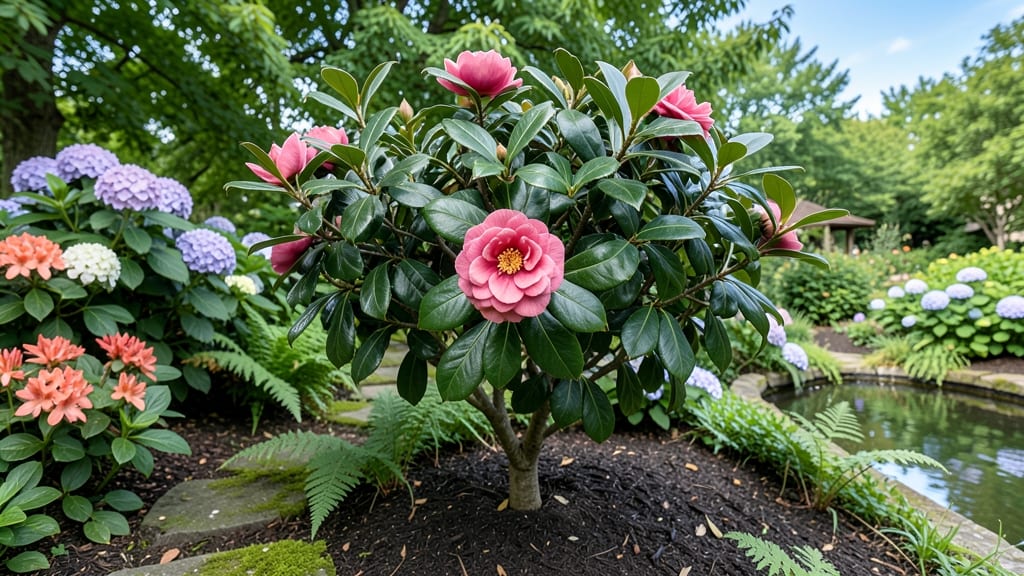
Visiting Enchanted Gardens in Richmond, TX, reveals a magical landscape of intricate pathways, living sculptures shaped like animals, and curated collections of exotic plants like Japanese maples and antique rose varieties, all designed to transport you into a storybook world.
This 12-acre garden isn't just a botanical display—it's an immersive experience where every turn feels like stepping into a different scene. 🌿 The winding trails are intentionally designed to encourage exploration, with hidden nooks featuring whimsical topiaries that change with the seasons.
What makes it special is how the garden blends native Texas hardiness with imported rarities, creating a climate-adapted fairy tale.
Beyond the visual magic, the garden's layout tells a story through its plant choices. For example, the Japanese maples in the shaded groves provide dramatic fall color, while the heritage roses along the pathways release their fragrance at different times of day.
The designers strategically placed these elements to create sensory surprises at every visit.
What many visitors don't realize is that the garden's secret doors and arched walkways weren't just decorative choices—they were practical solutions to maximize growing space in the Texas heat while maintaining the dreamlike atmosphere. The result is a place that feels both timeless and uniquely Texan.
💡 In This Article
- Design Secrets Behind Enchanted Gardens’ Hidden Layouts
- Rare Plants to Spot in Richmond’s Enchanted Gardens
Design secrets behind enchanted gardens’ hidden layouts
The garden’s winding trails aren’t random—they’re carefully engineered to create a sense of discovery. The average path length between focal points is 150-200 feet, just long enough to build anticipation while maintaining a manageable walking pace.
This technique, called "controlled wandering," was inspired by traditional Japanese garden design where visitors naturally slow down to appreciate details. The 12-inch-wide stone pathways (just wide enough for two people to walk side-by-side) force visitors to engage with the surroundings rather than rush through.
Seasonal transformations are built into the design through what horticulturists call "layered planting." In spring, the heritage roses (like 'Souvenir de la Malmaison') bloom along the paths, while summer brings crape myrtles with their vibrant pink flowers that attract hummingbirds.
The autumn palette shifts dramatically with Japanese maples like 'Bloodgood' turning fiery red, and winter features evergreen hollies with berries that provide structure. This rotating color scheme ensures each visit feels fresh, even for regular guests. 🌿
The secret doors and arched walkways serve dual purposes: they create visual intrigue while providing shade during Texas’s 100°F+ summers. The arched structures are typically 12-15 feet tall, high enough to feel grand but low enough to encourage visitors to duck through, adding a playful element.
These features also function as microclimates—creating cooler, more humid conditions that protect delicate plants like ferns and hostas from the harsh sun. The garden’s native Texas yaupon hollies and Texas sage are strategically placed near these shaded areas to thrive while complementing the imported specimens.
What makes the layout truly immersive is the use of "visual anchors"—specific plants or structures that appear at key turning points to orient visitors without giving away the entire path.
For example, the 18-foot-tall topiary dragon near the entrance serves as a landmark, while the hidden water feature behind a stone arch becomes a reward after navigating the winding trail. This technique, borrowed from Renaissance garden design, creates a sense of journey rather than a static display.
The result is a space that feels both magical and intentionally crafted, where every element has a purpose beyond decoration.
Another clever design choice is the integration of Texas-native plants into the whimsical theme. While the garden features imported rarities like European beech trees and Chinese pistache, they’re paired with native species that require minimal water once established.
For instance, the Texas mountain laurel (with its fragrant purple blooms) grows alongside imported roses, creating a low-maintenance hybrid ecosystem. This approach makes the garden’s fairy-tale aesthetic sustainable in Richmond’s 85-90°F average annual temperature and occasional drought conditions.
The hidden pathways also serve a practical purpose in Texas’s climate. The garden’s elevated beds (typically 6-12 inches above ground level) improve drainage during the heavy rains of spring and early summer, while the gravel pathways allow water to percolate through rather than pool.
This drainage system prevents root rot in the delicate imported plants while maintaining the garden’s immaculate appearance. The combination of these techniques proves that a whimsical garden can be both beautiful and functional in Texas’s challenging growing conditions. ✨