
Size
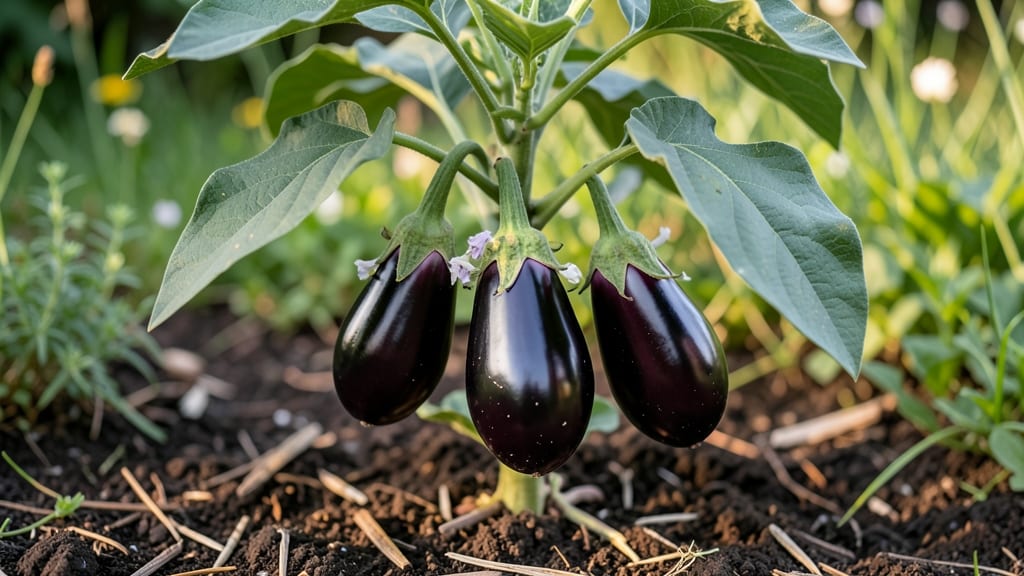
To grow egg stock in your garden, save eggshells, bake them at 200°F for 10 minutes to sterilize, crush into a fine powder, and mix into soil or compost to add calcium and trace minerals that promote healthier plant growth.
Growing egg stock in your garden is a simple way to recycle kitchen waste while boosting soil quality. 🌱 The crushed eggshells release calcium gradually, improving root development and preventing blossom-end rot in tomatoes.
I recommend blending them into compost piles or sprinkling directly around plants—this method works especially well for calcium-loving vegetables like peppers and squash.
For best results, store dried eggshells in a sealed container until ready to use. The baking step is crucial—it eliminates bacteria and prevents mold, making them safe for both soil and compost.
Many gardeners swear by this technique because it’s free, sustainable, and delivers measurable benefits to plant health over time.
💡 In This Article
- Why Eggshells Boost Garden Soil Health
- Step-by-Step Eggshell Composting and Soil Mixing Guide
Why eggshells boost garden soil health
Eggshells are primarily made of calcium carbonate—a mineral that plants crave for strong cell walls and structural integrity. When crushed and added to soil, these shells gradually dissolve over 3-6 months, releasing calcium in a form that's immediately available to plant roots.
This slow-release mechanism prevents nutrient spikes that can burn delicate roots, unlike synthetic fertilizers that often flood the soil with quick-acting chemicals. 🌱
The calcium from eggshells also helps balance soil pH, particularly in acidic conditions where plants struggle to absorb nutrients. For example, tomatoes and peppers—both heavy calcium users—thrive when soil pH sits between 6.0-6.8.
A single crushed eggshell can raise pH by 0.1-0.3 points in sandy soil, making it a natural buffer against soil acidification. The trace minerals like magnesium and phosphorus in eggshells further support microbial activity in the soil.
What makes eggshells particularly effective is their porous structure after baking. The 200°F sterilization process creates microscopic cracks that increase surface area by up to 40%, allowing water and beneficial microbes to access the nutrients more efficiently.
This texture also helps improve soil aeration—critical for root development in compacted or clay-heavy soils where oxygen exchange is limited.
Consider this comparison: A single dozen eggshells contains roughly 1.2 grams of calcium carbonate, equivalent to about 0.5 teaspoons of garden lime. While that may seem modest, the difference lies in how it's delivered—gradually and organically, without altering soil chemistry abruptly.
For container gardens, where soil volume is limited, eggshells provide a concentrated nutrient boost without the risk of over-fertilization.
The real magic happens at the microbial level. Soil bacteria and fungi break down the calcium carbonate into soluble forms that plants can absorb directly.
This process also stimulates the growth of beneficial mycorrhizal fungi, which form symbiotic relationships with plant roots, enhancing nutrient uptake by up to 80% in some cases. 💫
For gardeners dealing with specific issues like blossom-end rot in tomatoes or weak stems in peppers, eggshells act as both a preventive measure and a corrective one. The calcium helps strengthen cell walls, making plants more resistant to diseases and environmental stressors.
Unlike chemical amendments, eggshells work in harmony with the soil's natural ecosystem, promoting long-term health rather than short-term fixes.