
Vegetables
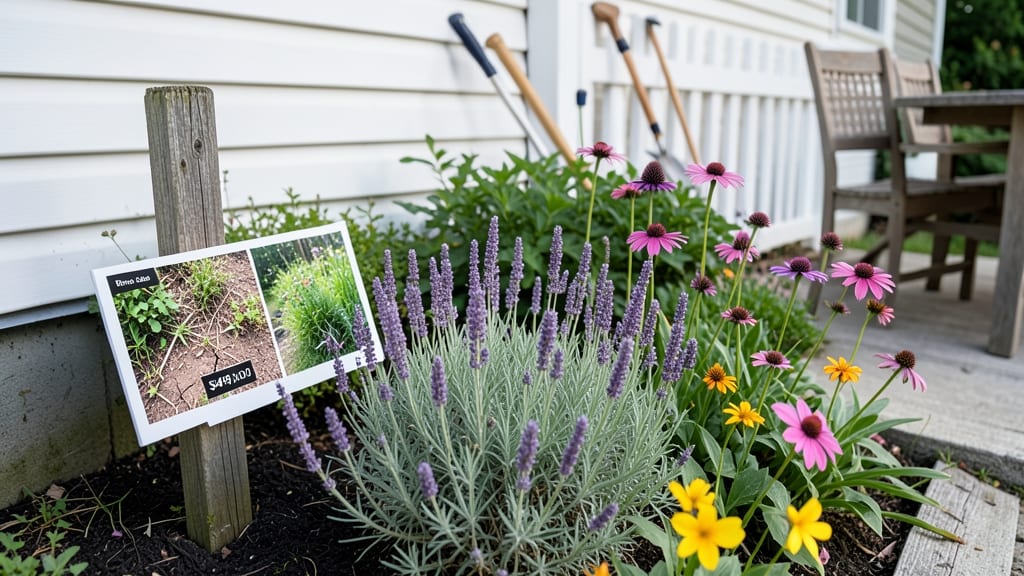
Gardens do increase property value by enhancing curb appeal, creating usable outdoor living spaces, and showcasing sustainable landscaping—real estate data confirms well-designed gardens can boost home value by 5-15%, with premium designs in desirable locations often exceeding these averages.
This value boost works through multiple factors: first impressions matter, and a lush garden makes a home instantly more inviting. 🌿 Buyers often associate well-maintained outdoor spaces with better upkeep overall, which can justify higher offers.
The ROI varies by region—urban gardens might emphasize small-space efficiency, while suburban properties benefit from larger recreational areas. Native plants and drought-resistant designs also appeal to eco-conscious buyers, adding another layer of marketability.
For maximum impact, focus on low-maintenance features like mulched beds, structured pathways, and mature trees—they deliver high perceived value without requiring constant upkeep.
Even simple additions like outdoor lighting or a small seating area can make a garden feel like an extension of the home's living space, which appraisers often factor into their evaluations.
💡 In This Article
- How Landscaping Directly Impacts Home Appraisals
- Maximizing ROI with High-Impact Garden Investments
How landscaping directly impacts home appraisals
Landscaping influences home appraisals through a combination of psychology and measurable metrics. When appraisers evaluate a property, the first impression—often shaped by the garden—plays a critical role in determining perceived value.
Studies show that homes with well-maintained gardens receive higher appraisals because buyers subconsciously associate outdoor beauty with overall quality. 🌿 For example, a National Association of Realtors® survey found that 85% of buyers consider landscaping important when choosing a home, with 61% willing to pay more for a property with attractive outdoor features.
The appraisal process itself includes specific metrics for outdoor spaces. Appraisers often assess the garden's functionality, such as the presence of seating areas, pathways, or water features, which can add 5-10% to a home's value.
In suburban areas, a garden with mature trees can increase value by up to 20%, while urban gardens with vertical planting or rooftop terraces may add 15-25% due to their rarity. The key is balancing aesthetics with utility—buyers want spaces they can actually use, not just admire.
Regional differences play a huge role in how gardens impact value. In urban settings, small but well-designed gardens with native plants and drought-resistant features can command premiums because they reduce maintenance costs and appeal to eco-conscious buyers.
In suburban areas, larger gardens with lawns, flower beds, and outdoor kitchens often yield higher returns because they align with traditional family lifestyles. Rural properties, meanwhile, may benefit from gardens that emphasize self-sufficiency, like vegetable plots or fruit orchards, which can add 10-15% in agrarian communities.
Color psychology also matters—warm tones like reds and oranges in flowers or foliage can make a garden feel more inviting, while cool greens and blues create a calming effect. Appraisers and buyers alike respond positively to gardens that feel intentional and well-cared-for, even if they’re modest in size.
For instance, a 50-square-foot herb garden in an urban backyard can increase perceived value more than a neglected 500-square-foot** lawn because it demonstrates thoughtful design and potential for use.
Another critical factor is the "halo effect," where a beautiful garden makes the entire property seem more valuable. This phenomenon is backed by real estate data: homes with gardens that receive compliments from neighbors or passersby often sell faster and for higher prices.
The effect is particularly strong in competitive markets, where curb appeal can be the deciding factor between multiple offers. 💫
Finally, the condition of the garden matters just as much as its design. Overgrown plants, dead patches, or cracked pathways can signal neglect, which may lead appraisers to assume the home itself is poorly maintained.
Even small details, like trimmed hedges or a clean driveway leading to the garden, contribute to a polished look that boosts perceived—and actual—value.