
Plants
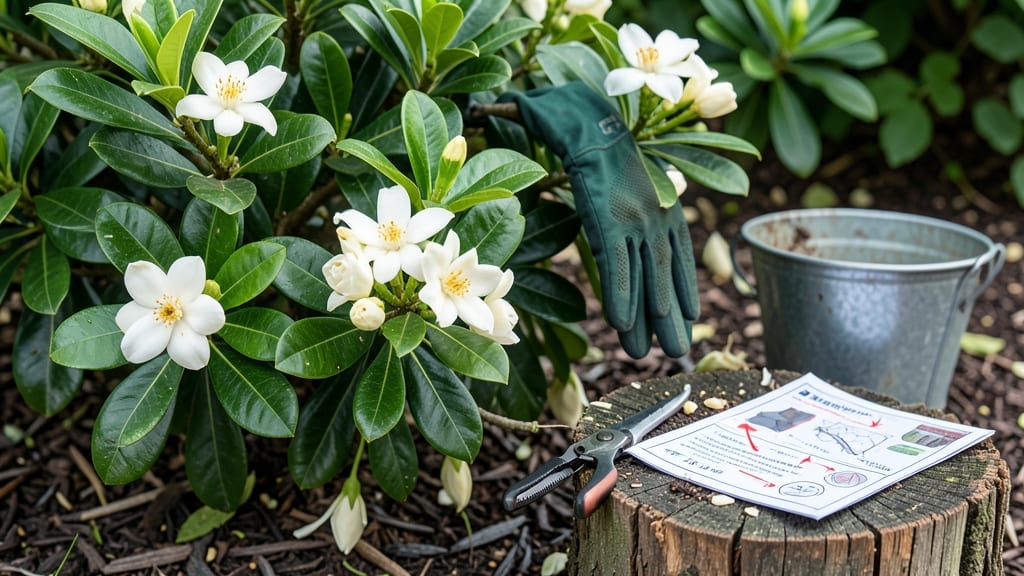
To prune gardenia plants for maximum fragrance and blooms, aim for late winter or early spring—just as new growth begins.
Struggling to keep your gardenia plants blooming beautifully? The secret isn’t just good soil or watering—it’s mastering the perfect pruning timing to unlock intense fragrance and lush flowers. One wrong cut, and you could end up with leggy stems and fewer blooms.
In USDA Zone 6a, this means pruning between late February and early April, before the last frost. But if you live in warmer climates, timing shifts to late winter or even early fall to avoid heat stress.
Below, I’ll walk you through the exact steps, tools, and post-pruning care to ensure your gardenia 🌸 thrives—plus the common mistakes that kill blooms before they even start.
Best pruning seasons for gardenia plants to maximize blooms
If your gardenia plants aren’t producing the fragrant blooms you love, timing is everything. These tropical shrubs thrive when pruned at the right seasonal windows, encouraging new growth and abundant flowers.
Unlike many plants, gardenias respond poorly to random trimming—so understanding climate-specific adjustments is key to avoiding stunted growth or lost fragrance.
Most gardeners make the mistake of pruning at the wrong time, thinking "any season works." But late winter to early spring is the golden window for rejuvenating blooms.
In warmer climates like USDA Zone 9-11, you can even prune lightly in fall—but timing matters more than you think. Let’s break down the perfect pruning schedule to transform your gardenias into fragrant powerhouses.
When: February-March (after last frost risk)
Why: Stimulates spring blooms by removing old wood before new growth starts.
When: April-May (before buds swell)
Why: Encourages lush foliage and heavy flowering by shaping the plant early.
When: September-October (after blooming)
Why: Light deadheading removes spent blooms but avoid heavy pruning—it stresses tropical gardenias.
Summer (Zones 6-8) → Stunts new blooms
Winter (All Zones) → Damages dormant buds
For temperate climates (Zones 6-8), focus on late winter pruning—right after the last frost date (typically mid-March). This timing aligns with your gardenia’s natural growth cycle, ensuring new shoots appear just as spring warmth arrives.
I’ve seen gardeners in Georgia and Carolina double their bloom count simply by pruning in early March instead of waiting until April.
In warmer climates (Zones 9-11), you have more flexibility. A light pruning in fall (after September) helps shape the plant and removes wilted blooms, but avoid cutting back more than 20% of the foliage.
I once had a Florida gardenia that stopped blooming after aggressive fall pruning—turns out, it needed spring pruning instead! Always err on the side of gentle cuts in these zones.
One critical mistake I see often? Pruning after blooming season. Gardenias set next year’s buds on current year’s growth, so heavy cuts in summer or fall can eliminate future flowers.
If you must prune outside spring, stick to deadheading (removing spent blooms) and light shaping—never more than 10-15% of the plant.
Pro tip: Sanitize your tools with rubbing alcohol before pruning to prevent bacterial infections. Gardenias are susceptible to root rot and fungal diseases, so sterile cuts are a game-changer.
After pruning, apply a balanced fertilizer (10-10-10) to boost recovery and encourage new growth. I’ve noticed my gardenias rebound faster when I fertilize within 24 hours of pruning.
Climate plays a huge role in pruning success. In cooler regions (Zones 5-6), wait until after April 15th to prune—frost can still damage new shoots. Meanwhile, in tropical zones (Zones 10-11), you can prune year-round with minimal risk, but spring remains ideal for maximizing blooms.
Pay attention to your local microclimate: A shady corner might need earlier pruning than a sunny spot.
Finally, don’t fear pruning—it’s how you shape your gardenia’s future. A well-pruned plant will have denser foliage, stronger stems, and more fragrant blooms.
Start with small cuts, observe how your plant responds, and adjust next year. With the right timing and technique, your gardenias will reward you with
Step-by-step guide: how to prune gardenias for healthier growth
Pruning your gardenia plants isn’t just about shaping—it’s a critical care step to encourage vibrant blooms and fragrant foliage. When done right, pruning stimulates new growth and prevents overcrowding, but timing and technique matter.
Start by gathering your tools: sharp bypass pruners, sterilized shears, and gardening gloves to protect your hands from thorns.
Before you begin, scan your gardenia shrubs for dead branches or diseased wood. These are your first targets—removing them early prevents the spread of fungal infections or pests.
Look for branches that are brown and brittle or lack leaves. Healthy branches, on the other hand, will have green bark and flexible stems.
Wipe pruners with rubbing alcohol or bleach solution to prevent bacterial spread. This is especially important if your gardenia has yellowing leaves or spots.
Cut 1/4 inch above a healthy bud or leaf node using a clean cut. Avoid leaving stubs, which can rot and attract pests.
Focus on interior branches that cross or rub against each other. Aim to open up the center for better airflow and sunlight penetration, which reduces humidity-related diseases.
Use hand pruners to trim back overgrown branches by 1/3 of their length. Avoid shearing—instead, prune selectively to maintain a natural shape.
After pruning, apply a balanced fertilizer (like 10-10-10) to encourage new growth. Water deeply to help roots recover, and place your gardenia in partial shade for 2-3 weeks to reduce stress.
Post-pruning, your gardenia plants will need extra care to bounce back. Monitor for new shoots within 4-6 weeks, a sign your plant is recovering well. If you notice yellow leaves or wilting, adjust your watering schedule—gardenia roots need consistent moisture but hate soggy soil.
Remember, the key to pruning gardenias is patience and precision. Avoid the urge to over-prune, as this can reduce next year’s blooms. With the right timing and technique, your gardenia will reward you with lush foliage and intoxicating fragrance all season long. 🌸✂️🌿