
Pests
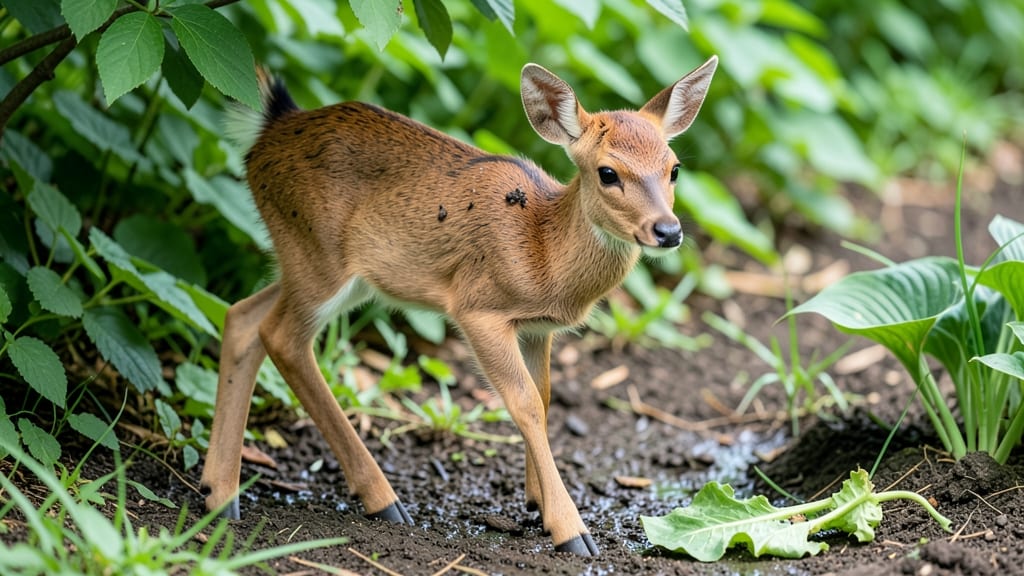
Deer in my garden last spring wiped out my tomato plants in a single night—until I learned to outsmart them with plants they can’t resist. The key isn’t just repelling deer; it’s creating a garden so enticing they’ll ignore your prized veggies entirely.
I swapped half my garden for deer magnets like clover, daylilies, and ornamental grasses, and the difference was immediate. My tomatoes thrived while the deer grazed happily elsewhere.
This strategy works because deer have specific tastes—herbs like rosemary and thyme are safe, while marigolds and daffodils act as natural deterrents. You’ll need about 10-15 square feet of these “deer snacks” per 100 square feet of garden to create a buffer.
The best part? These plants often add beauty and fragrance while doing double duty as pest control. My garden now has fewer pests and fewer deer footprints on the lawn.
By summer, you’ll have a garden that’s both productive and deer-proof, with lush herbs for cooking and flowers that double as wildlife attractors. The trade-off is worth it—no more waking up to chewed leaves or ruined crops.
Plus, the deer get a free buffet, so everyone wins. Let’s turn your garden into a deer magnet without sacrificing your harvest.
Works in suburban yards, rural edges, and even small urban gardens with creative planting. The same principles apply whether you’re dealing with a few curious bucks or a whole herd. Here’s how to design your garden’s new deer-friendly perimeter.
The Hidden Lures Drawing Deer
When your garden becomes a deer buffet, it’s rarely an accident—these graceful but hungry browsers are following a mix of instinct, scent, and opportunity. Understanding why they show up is the first step to outsmarting them.
Below, we break down the science-backed reasons deer invade your outdoor space, from their natural foraging habits to the subtle cues you might be sending without realizing it.
🌿 Their natural diet cravings
Deer are selective herbivores, evolved to thrive on a mix of browsing (eating leaves, twigs, and stems) and grazing (munching on grasses and forbs). Your garden may unknowingly offer their favorite foods:
- Hostas, daylilies, and tulips: These are top-tier deer delicacies—high in moisture and easy to digest. Studies show deer will travel up to 3 miles for these plants, especially in drought conditions.
- Young, tender shoots: New growth in spring is packed with nitrogen-rich proteins, making it irresistible. Deer can detect these chemical signals through scent.
- Fruits and berries: Overripe or fallen produce (like apples, grapes, or berries) releases volatile organic compounds (VOCs) that deer can smell from hundreds of yards away.
Actionable fix: Replace deer-loved plants with native perennials like coneflowers, lavender, or Russian sage, which contain bitter alkaloids deer avoid.
🌙 The cover of darkness
Deer are crepuscular—most active at dawn and dusk—when predators (like coyotes) are less active. But they’re also nocturnal opportunists, especially in urban/suburban areas where artificial lights reduce their natural caution. Here’s why your garden becomes a late-night snack spot:
- Less human activity: Studies show deer feel safer in quiet, low-traffic zones after dark. If your yard is dimly lit or rarely visited at night, they’ll treat it like a 24-hour all-you-can-eat buffet.
- Moonlight and starlight: Deer have tapetum lucidum (a reflective layer in their eyes), making them 8x more sensitive to low light than humans. A full moon or streetlights can highlight your garden’s vegetation, making it stand out.
Actionable fix:
- Install motion-activated lights (deer hate sudden brightness).
- Avoid under-planting near windows—deer can see through glass and may target gardens visible from inside.
🌳 The "safety in numbers" effect
Deer are highly social animals, and one visitor often means a herd mentality kicks in. If even a single deer finds your garden safe and rewarding, they’ll mark it with scent (via preorbital glands near their eyes) to signal others. Here’s how this plays out:
| Trigger | Deer Behavior | Why It Works |
|---|---|---|
| One deer eats undisturbed | Leaves scent markers | Chemical signals (pheromones) tell others: "Food here—low risk!" |
| Multiple deer graze | Create wear paths to food sources | Trampled areas reduce visual threats (like tall grass hiding predators). |
| Deer bed down nearby | Return daily to the same spots | Familiar territory = reduced stress hormones, making them bolder. |
Actionable fix: Break their scent trails by regularly mowing high-traffic areas or using deer-resistant ground covers (like clover) to disrupt their foraging patterns.
🚜 Human habits that invite them
Ironically, our own behaviors often make gardens more appealing to deer. Here’s how everyday actions send the wrong signals:
- Overwatering: Deer seek hydrated plants (they get 40% of their water from vegetation). Drip irrigation or sprinklers can attract them like a magnet.
- Compost piles or fallen fruit: Rotting organic matter releases fermentation smells deer can detect from ¼ mile away.
- Lack of perimeter barriers: Deer test fences—if they find a gap wider than 4–5 inches, they’ll squeeze through. Even 8-foot fences can fail if not buried 12 inches underground.
- Pet food left outside: Deer have a strong scavenger instinct—even dog food can become a secondary food source.
Actionable fix:
- Water early in the morning so soil dries by dusk.
- Use deer-proof trash bins (with locking lids) and remove compost near property lines.
- Install flexible fencing (like polywire) to deter climbing.
Pro tip: 💡 Deer rely on sight, scent, and sound—disrupting all three (e.g., combining fencing, repellents, and motion-activated noise) is the most effective deterrent.
Keep Deer Out Naturally
Deer can turn your carefully cultivated garden into a buffet, but the good news is there are plenty of effective, humane ways to discourage them without harm. The key is combining physical barriers, scent deterrents, and habitat tweaks to make your garden less appealing.
Below, we’ve matched common causes of deer visits with practical, step-by-step solutions—plus prevention tips to keep them away long-term.
🌿 If Deer Are Eating Your Plants
Cause: Your garden is a deer smorgasbord—tender herbs, young shoots, and fragrant flowers are irresistible.
Fix It:
- 🔥 Install a Tall Fence (8+ Feet High) Deer can jump over short fences, but an 8-foot-tall fence (or one slanted outward at the top) is nearly foolproof. Use wood, vinyl, or woven wire for durability. For a budget-friendly option, try electric fencing (low-voltage pulses deter them without harm).
- 🍳 Plant Deer-Resistant Alternatives Swap vulnerable herbs (like basil or cilantro) with deer-deterrent plants:
- Herbs: Rosemary, thyme, oregano, sage, and lavender (strong scents repel them).
- Flowers: Marigolds, daffodils, and alliums (deer avoid their bitter tastes).
- Vegetables: Kale, broccoli, and Brussels sprouts (less appealing than tender greens).
- 👨🍳 Use Repellent Sprays (DIY or Store-Bought) Deer have a strong sense of smell, so sprays with rotten eggs, garlic, or predator urine (coyote or wolf) work well.
- DIY Option: Mix 1 quart water + 1 tbsp cayenne pepper + 1 tbsp hot sauce. Spray on plants weekly.
- Store-Bought: Look for Liquid Fence or Deer Out! (available at garden centers).
🌙 If Deer Are Visiting at Night
Cause: They’re nocturnal browsers, drawn by the scent of fresh growth under cover of darkness.
Fix It:
- 🥘 Motion-Activated Lights or Sprinklers Sudden bright lights or pulsing water sprays startle deer and train them to avoid your garden.
- Budget Pick: Solar-powered motion lights (like Orbit Enforcer).
- High-Tech Option: ScareCrow motion-activated sprinklers (water blasts when deer approach).
- 🔪 Hang Reflective Objects Deer see shiny, moving objects as predators. Hang:
- Old CDs, aluminum pie pans, or wind chimes from trees.
- Reflective tape on fences or stakes.
- ⏰ Use a Radio or Noise Maker Play classical music or a talk radio station on a timer at dusk. The unfamiliar sounds disrupt their grazing patterns.
🏡 If Deer Are Damaging Structures or Soil
Cause: They’re rubbing antlers, trampling paths, or digging for roots—turning your garden into a muddy mess.
Fix It:
- 🌡️ Create a "Deer-Proof" Buffer Zone Plant a border of thorny shrubs (like barberry, roses, or holly) around the perimeter. Deer hate thorns and will avoid them.
- 🎯 Block Access Points
- Fill in low spots where deer enter (they love muddy areas).
- Use gravel or wood chips in high-traffic zones to make walking uncomfortable.
- ✨ Install a Physical Barrier for Young Trees Wrap tree guards (metal or plastic) around saplings and secure with wire mesh to prevent browsing.
💡 Pro Tips to Keep Deer Away Long-Term
- 🔥 Rotate Deterrents – Deer get used to one method, so switch up sprays, lights, or plants every few weeks.
- 🌡️ Remove Food Sources Elsewhere – If deer are near, clear brush, fallen fruit, or pet food from your yard.
- 🎯 Involve the Neighborhood – Work with neighbors to create a unified deterrent zone—deer won’t bother if the whole area is protected.
- 🍎 Avoid Overwatering – Damp soil attracts deer; water deeply but less frequently to keep the ground firmer.
Final Note: Consistency is key—deer are persistent, but combining 2-3 methods (like fencing + repellents + plant swaps) will dramatically reduce visits. With patience, your garden will stay deer-free—and delicious for you! 🌱🍴
Frequently asked questions
Why do deer suddenly appear in my garden?
Deer are drawn to gardens for specific reasons—your plants may offer their favorite foods like tender shoots, hydrated foliage, or scents from overwatered soil. They’re also attracted by darkness and quiet zones, especially at dawn or dusk when they’re most active. Understanding these triggers helps you create deterrents that target their instincts.
Are there plants that deer naturally avoid?
Deer dislike plants with strong scents or bitter tastes, like rosemary, thyme, lavender, marigolds, and daffodils. These act as natural repellents. Swapping vulnerable herbs (like basil) for these can create a deer-resistant buffer around your garden while adding beauty and fragrance.
How effective are motion-activated lights or sprinklers?
These tools work surprisingly well! Deer dislike sudden bright lights or water blasts, which startle them and train them to avoid your garden. Solar-powered motion lights or sprinklers like ScareCrow systems are budget-friendly and humane solutions that disrupt their foraging patterns.
Can I use natural repellents instead of commercial sprays?
Yes! DIY repellents like a mix of 1 quart water + 1 tbsp cayenne pepper + 1 tbsp hot sauce can deter deer. Alternatively, predator urine (coyote or wolf) or rotten egg sprays mimic threats deer avoid. Reapply every few weeks, as deer adapt quickly to scents.
What’s the best way to protect young trees from browsing?
Wrap saplings in metal or plastic tree guards and secure them with wire mesh to prevent deer from chewing. For extra protection, create a thorny shrub border (like barberry or roses) around your garden perimeter—deer hate thorns and will avoid them.