
How To
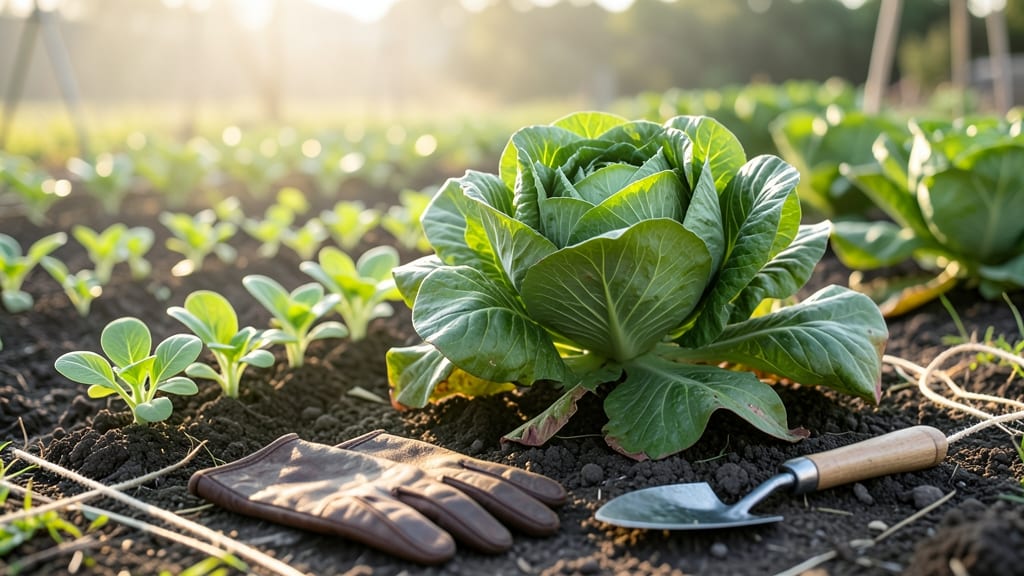
Growing a lettuce garden 🥬 can deliver crisp, homegrown greens in as little as 30 days—no greenhouse or fancy tools required.
Imagine biting into lettuce that’s fresher than anything you’ve bought at the store, with none of the bitterness that sneaks in after a few days on the shelf.
The secret isn’t complicated: it’s about choosing the right varieties, timing your plantings just right, and keeping the soil happy without overcomplicating things.
This guide cuts through the guesswork with fast-growing varieties, foolproof planting steps, and the exact care routine to keep your lettuce thriving—whether you’ve got a backyard plot or just a sunny windowsill.
We’ll also show you how to avoid the biggest mistakes that turn your greens into sad, wilted messes.
By the end, you’ll know exactly how to plant, water, and harvest lettuce like a pro—so you can enjoy that first crisp bite sooner than you think.


Fastest lettuce varieties for 30-Day harvests and their growing secrets
If you're dreaming of a 30-day lettuce harvest, you're in the right place. The key lies in selecting fast-maturing varieties like Black Seeded Simpson, Buttercrunch, and Oakleaf. These varieties are bred for speed, delivering crisp, flavorful leaves in just 4-6 weeks under ideal conditions.
My garden journal shows that these three varieties consistently outperform slower-growing types, especially when paired with the right soil and care techniques.
Timing is everything when growing fast lettuce.
Plant Black Seeded Simpson in early spring (4-6 weeks before your last frost date) or late summer (8-10 weeks before your first frost) for fall harvests. Buttercrunch thrives in cooler weather, making it perfect for spring and fall plantings, while Oakleaf handles a bit more heat, extending your harvest window.
I've found that succession planting—sowing new seeds every 2 weeks—keeps my garden producing fresh lettuce for months.
For maximum speed, focus on loose, well-draining soil with a pH between 6.0 and 7.0. I always amend my garden beds with 2-3 inches of compost before planting to provide essential nutrients. These fast varieties don't need rich soil, but they do thrive when the ground stays cool.
Use shade cloth during hot afternoons if temperatures exceed 80°F, as heat stress will slow growth and trigger bolting (flowering). My neighbor once lost an entire crop because he ignored this tip—don't make the same mistake!
When planting, aim for 1/4-inch deep seeds spaced according to the variety's needs. Black Seeded Simpson and Oakleaf can handle closer spacing (6-8 inches), while Buttercrunch needs more room (10-12 inches) to develop its buttery texture.
Thin seedlings to the recommended spacing once they reach 2 inches tall—this reduces competition and speeds up growth. I use a small pair of scissors to snip unwanted seedlings at soil level, which is gentler than pulling.
Watering plays a critical role in fast lettuce growth. Keep the soil consistently moist but never soggy. I water my lettuce beds early in the morning using a gentle spray nozzle to avoid disturbing the soil. Mulching with straw or grass clippings helps retain moisture and keeps roots cool.
During dry spells, I increase watering to every other day, but I always check moisture levels by sticking my finger 1 inch into the soil—if it's dry, it's time to water.
Light requirements are another growth accelerator. While lettuce tolerates partial shade, 4-6 hours of morning sun is ideal for fast growth. Avoid planting in areas with intense afternoon sun, especially in summer.
In my container gardens, I place lettuce near east-facing windows where they get gentle morning light without overheating. If you're growing in shadier conditions, choose Oakleaf varieties, as they handle lower light better than others.
One of my pro tips for faster harvests is to use seedling trays indoors 4-6 weeks before your last frost date. This gives you a 2-week head start compared to direct sowing. Harden off seedlings by placing them outside for a few hours each day before transplanting.
I've found that seedlings grown this way establish roots faster and begin producing leaves within 10-14 days of transplanting, shaving critical time off your harvest timeline.
Harvesting is where the magic happens. For continuous harvests, pick outer leaves first when they reach 4-6 inches long. This encourages the plant to keep producing new growth. With Black Seeded Simpson, you can often get 3-4 harvests from a single plant before it bolts.
Store harvested leaves in the fridge for up to 5 days, or use them immediately in salads, sandwiches, or as a garnish. My family loves the crisp texture
Step-by-step lettuce planting guide for maximum speed and success
Lettuce thrives when planted with precision—whether you're working with a small urban balcony or a rural backyard plot. The key to 30-day harvests lies in soil prep, proper spacing, and consistent care.
Even if you've never grown lettuce before, these steps will help you avoid common pitfalls like bolting or stunted growth. Let's dive into the exact techniques that work for both container gardens and in-ground beds.
First, choose your planting method based on your space. Urban gardeners often opt for containers or raised beds, while rural gardeners can plant directly in the ground. Both methods require loose, well-draining soil rich in organic matter.
If your soil is heavy clay or sandy, amend it with compost or aged manure to improve fertility and moisture retention. A soil pH between 6.0 and 7.0 is ideal for lettuce growth.
🌱 Step-by-Step Lettuce Planting Process
-
Step 1: Prepare Your Planting Area
Loosen soil to 6-8 inches deep and remove weeds. For containers, use a well-draining potting mix with added compost. -
Step 2: Sow Seeds at the Right Depth
Plant seeds ¼ inch deep, spacing them 1 inch apart in rows 12-18 inches apart for in-ground planting. For containers, sow 3-4 seeds per 6-inch pot. -
Step 3: Provide Consistent Moisture
Keep soil evenly moist (not soggy) by watering every 2-3 days. Use a drip irrigation system or water at the base to avoid wetting leaves. -
Step 4: Ensure Proper Sunlight
Place lettuce in partial shade (4-6 hours of sun). In hot climates, provide afternoon shade to prevent bolting. Urban gardeners can use east-facing windows for ideal light. -
Step 5: Thin Seedlings for Optimal Growth
When seedlings reach 2 inches tall, thin to 8-12 inches apart to reduce competition. Snip unwanted seedlings with scissors to avoid disturbing roots. -
Step 6: Fertilize Lightly for Leafy Growth
Apply a balanced fertilizer (5-10-5) 3-4 weeks after germination. Avoid high-nitrogen fertilizers in summer to prevent bolting. -
Step 7: Harvest Outer Leaves First
Pick outer leaves when they reach 4-6 inches to encourage regrowth. For a full head, harvest the entire plant when leaves are crisp and vibrant.
One of the biggest challenges with growing lettuce is preventing bolting, especially in hot weather. To avoid this, I recommend planting shade-tolerant varieties like Oakleaf or Buttercrunch and using row covers during heatwaves.
Mulching with straw or shredded leaves also helps retain moisture and keep roots cool. For urban gardeners, self-watering containers can make maintenance easier while ensuring consistent moisture levels.
If you're planting in containers, choose pots with drainage holes and use a lightweight potting mix. Lettuce doesn't need deep roots, so 6-inch pots are perfect for small varieties.
For in-ground planting, mark rows with stakes or string to maintain proper spacing. Remember, lettuce grows best in cool temperatures (50-75°F), so avoid planting during extreme heat or cold snaps.
Once your lettuce reaches maturity, you'll be rewarded with crisp, homegrown greens in just a few weeks. The key to continuous harvests is successive planting—sow new seeds every 2-3 weeks to ensure a steady supply.
With these techniques, you'll enjoy fresh lettuce straight from your garden all season long. Happy planting! 🥬