
Flowers
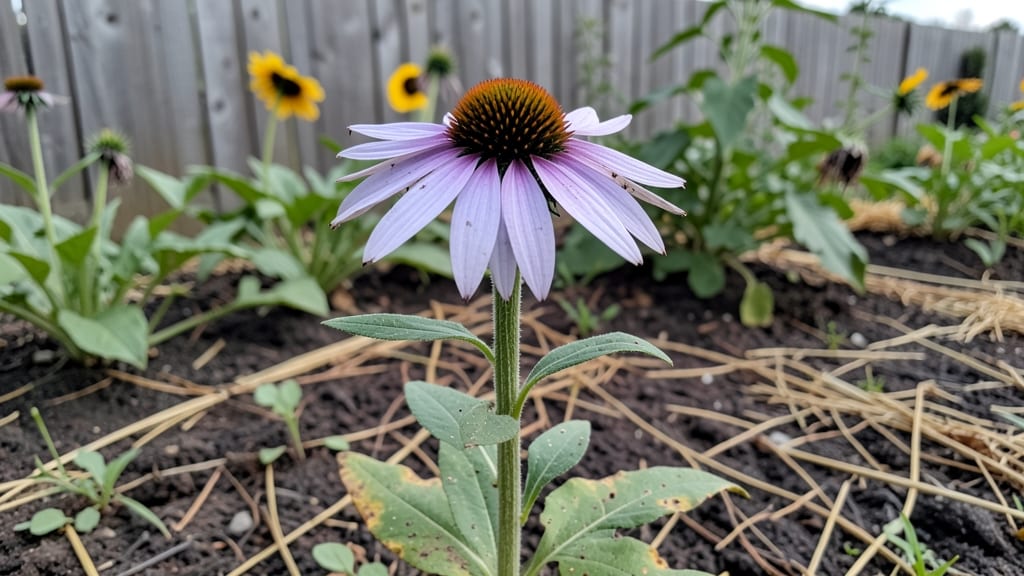
Adding coneflowers to your garden brings bold color, pollinator power, and zero fuss to every season.
If you're dreaming of a vibrant, low-maintenance garden that thrives even during dry spells while attracting bees, butterflies, and hummingbirds, coneflowers could be your perfect perennial solution. These 🌼 beauties don’t just survive drought—they flourish in it, turning your yard into a buzzing ecosystem without extra watering.
Native to USDA Zone 6a and beyond, coneflowers plant themselves in March through May, grow tall and striking, and keep blooming from June to September. Whether you're a beginner or a seasoned gardener, their resilience and striking purple-pink blooms make them a game-changer for any space.
Ready to learn how to plant, care for, and maximize their beauty? I’ll walk you through everything—from soil prep to deadheading—so your coneflowers become the star of your garden for years to come.
Why coneflowers are the ultimate drought-resistant perennial for pollinator gardens
If you're looking for a low-maintenance perennial that thrives in dry conditions while supporting local pollinators, coneflowers (Echinacea) are a game-changer. These hardy plants not only survive drought but also flourish with minimal care, making them perfect for eco-friendly gardens.
Their bright blooms and long-lasting flowers create a buzz—literally—by attracting bees, butterflies, and hummingbirds all season long.
One of coneflowers' superpowers is their deep taproot system, which allows them to access water deep underground. This adaptation makes them exceptionally drought-tolerant once established, reducing your watering workload significantly. Plus, their medicinal properties have been used for centuries, adding an extra layer of value to your garden.
Whether you're a beginner or a seasoned gardener, coneflowers offer year-round interest with their striking seed heads that persist into winter.
| Category | Details |
|---|---|
| Plant Type | Drought-resistant perennial |
| Hardiness Zones | 3-9 (USDA) |
| Sun Requirements | Full sun (6+ hours/day) |
| Water Needs | Low (deep watering weekly) |
| Soil Type | Well-draining, average to dry |
| Mature Height | 1-5 feet (varies by variety) |
| Bloom Time | Mid-summer to fall |
| Pollinator Value | High (nectar + seed source) |
| Maintenance Level | Very low (cut back in spring) |
Coneflowers thrive in USDA hardiness zones 3-9, making them adaptable to a wide range of climates. Their versatile soil preferences mean they can grow in average garden soil, sandy loam, or even clay-heavy soil, as long as it drains well.
This flexibility allows you to plant them almost anywhere in your landscape without worrying about soil amendments. For best results, choose a sunny spot with at least 6 hours of direct sunlight daily, as this encourages vibrant blooms and robust growth.
Beyond their drought tolerance, coneflowers are a pollinator powerhouse. Each flower produces high-quality nectar that fuels bees and butterflies, while their seed heads provide food for birds throughout the winter.
Studies show that a single coneflower plant can attract dozens of pollinators in a single day, making them a critical component of any pollinator-friendly garden. Their long bloom season (June to October) ensures continuous food sources for wildlife, even as other flowers fade.
Another standout feature is their medicinal benefits. Native Americans used coneflower roots to treat colds, sore throats, and infections, while modern research confirms its immune-boosting properties. This dual-purpose plant not only beautifies your garden but also offers practical health benefits.
Whether you're growing them for ornamental value, wildlife support, or herbal remedies, coneflowers deliver on multiple fronts.
To maximize their drought resistance, plant coneflowers in well-draining soil and avoid overwatering. Once established, they require minimal watering—typically just deep watering once a week during dry spells. Mulching around the base helps retain moisture and suppress weeds, reducing maintenance even further.
Their self-seeding habit also means they'll spread naturally over time, creating a low-maintenance meadow effect in your garden.
If you're concerned about deer or rabbits, don't worry—coneflowers are deer-resistant thanks to their mildly bitter taste. This makes them a safe choice for gardens in areas with frequent wildlife activity.
Their tough stems and rugged foliage also mean they hold up well in windy conditions, making them ideal for exposed garden locations or prairie-style plantings.
For maximum impact, pair coneflowers with other drought-tolerant perennials like black-eyed Susans, bee balm, or Russian sage. This creates a pollinator magnet that thrives on low water while providing year-round interest.
Whether you're designing a wildflower meadow, a native plant garden, or a low-water landscape, coneflowers are the perfect foundation plant.
In summary, coneflowers are a must-have perennial for any garden aiming to be sustainable, beautiful, and wildlife-friendly. Their drought tolerance, pollinator appeal
How to plant and care for coneflowers for maximum blooms year after year
Coneflowers are one of the most rewarding perennials for gardeners seeking low-maintenance beauty and pollinator support. With the right planting techniques and seasonal care, your coneflowers will reward you with vibrant blooms from early summer through fall.
The key lies in mimicking their natural habitat—well-draining soil, full sun exposure, and minimal fuss once established.
I’ve found that the difference between a mediocre coneflower patch and a stunning pollinator magnet often comes down to a few critical steps: choosing the right location, preparing the soil properly, and understanding their watering and fertilizing needs.
Let’s dive into the exact methods I use to ensure my coneflowers thrive and rebloom year after year.
Start by selecting a sun-drenched spot in your garden. Coneflowers crave full sun exposure, which translates to at least 6 hours of direct sunlight per day. If your garden has partial shade, choose the sunnier side of structures or trees.
Poor sunlight leads to leggy growth and fewer blooms—something I learned the hard way with my first attempt in a shady corner!
Before planting, prepare the soil by amending it with organic matter, like compost or aged manure. Coneflowers tolerate average to slightly alkaline soil, but they’ll reward you with healthier roots and more blooms if the soil drains well.
Avoid heavy clay by mixing in sand or perlite if needed. Dig a hole twice as wide as the root ball to encourage outward root growth.
Watering is where many gardeners go wrong. Young coneflowers need consistent moisture to establish roots, so water deeply 2-3 times per week during their first growing season. Once established (after 1-2 years), reduce watering to once a week or even less during droughts.
Overwatering is a common mistake—coneflowers are drought-tolerant once their roots are strong!
To encourage reblooming, deadhead spent flowers by snipping off the brown seed heads as they fade. This redirects the plant’s energy into producing new blooms instead of seeds. I also fertilize lightly in early spring with a balanced 10-10-10 fertilizer to support new growth.
Avoid heavy feeding, as coneflowers prefer leaner soil and may produce more foliage than flowers if over-fertilized.
In late fall or early winter, cut back the stems to 2-3 inches above the ground. This tidies up the garden and prevents disease by removing old foliage. Coneflowers are hardy perennials in USDA zones 3-9, so they’ll bounce back beautifully in spring with minimal effort.
With these simple steps, your coneflowers will become a year-round pollinator powerhouse!