
Fertilization
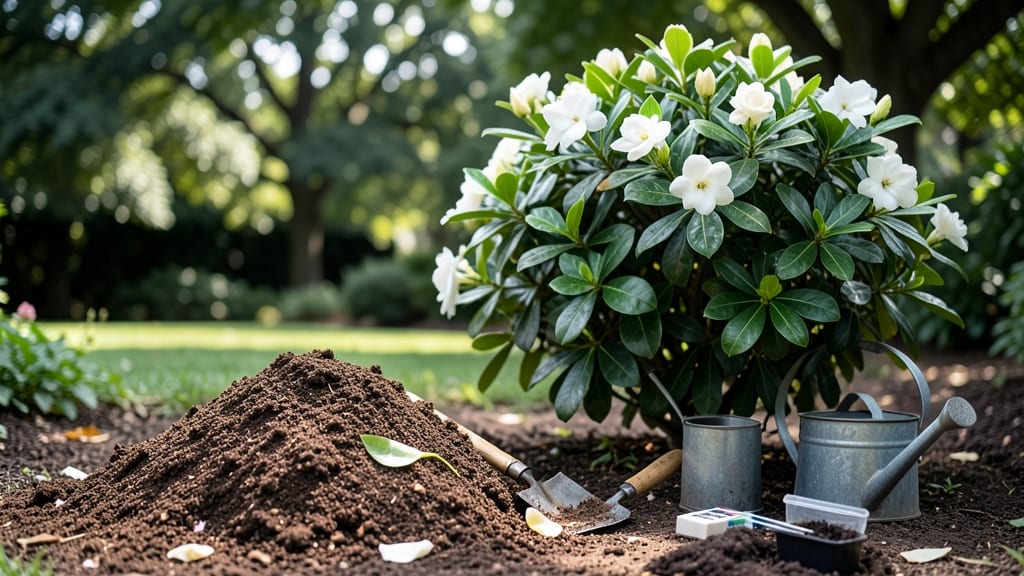
For gardenias, compost must replicate their native acidic, well-draining environment—blend 50% peat moss or pine bark fines with 50% aged compost, then adjust pH to 5.0–6.0 using sulfur or coffee grounds. Skip fresh manure or alkaline mixes, as they can scorch roots and reduce flowering.
Gardenias are famously picky about soil conditions, and their compost needs reflect that. 🌿 The right mix doesn't just feed the plant—it recreates the acidic, humid forests where gardenias naturally grow.
Peat moss or pine bark fines help create that perfect drainage while holding moisture, while aged compost provides the organic matter gardenias crave.
What's fascinating is how the pH adjustment works: sulfur and coffee grounds don't just lower pH—they also introduce beneficial microbes that help break down nutrients into forms gardenias can actually use.
Many gardeners make the mistake of using regular garden compost or manure, which can raise the pH too high. This is why your gardenia might suddenly stop blooming—it's not getting the right environment to thrive.
The key is patience: gardenias respond best when you gradually introduce this acidic mix, especially during their active growing seasons in spring and fall. Think of it like creating a mini ecosystem in your pot that mimics their tropical homeland.
💡 In This Article
- Why Gardenias Demand Acidic, Organic-Rich Compost
- DIY Gardenia Compost Mix: Step-by-Step Blending Guide
Why gardenias demand acidic, organic-rich compost
Gardenias evolved in the acidic, nutrient-rich soils of tropical forests where pH levels naturally range between 5.0 and 6.0. This acidity isn't just about numbers—it's about creating an environment where essential nutrients like iron, manganese, and phosphorus become available to the plant's roots.
Peat moss, a key component in gardenia compost, holds moisture while preventing compaction, which mimics the spongy forest floors where gardenias thrive. Its fibrous structure also improves aeration, preventing the dreaded root rot that often plagues gardenias in heavy, waterlogged soils.
The science behind pH adjustment is equally fascinating. When you add elemental sulfur or used coffee grounds (which contain organic acids), you're not just lowering pH—you're introducing microbial activators that break down organic matter more efficiently. These microbes produce chelated nutrients that gardenias can absorb directly.
For example, sulfur oxidizes in soil to form sulfurous acid, which gradually acidifies the mix over weeks. The process is slow but steady, giving you time to monitor and adjust rather than risk shocking the plant with sudden pH changes. 🌱
Here's what happens when you get it wrong: alkaline compost or fresh manure raises soil pH above 7.0, locking out essential micronutrients and causing what botanists call "nutrient deficiency stress." You'll see symptoms like yellowing leaves (chlorosis) between veins, stunted growth, or—worst of all—no flowers.
The problem isn't just the pH itself but the microbial imbalance that develops. Healthy gardenia soil should teem with beneficial bacteria and mycorrhizal fungi that form symbiotic relationships with roots, helping them access nutrients. Alkaline conditions disrupt this ecosystem.
Consider this comparison: a gardenia in ideal acidic compost might produce 50-100 blooms per season, while one in alkaline soil may produce only 5-10. The difference comes down to how efficiently the plant can uptake nutrients.
In acidic conditions, phosphorus becomes more soluble, supporting energy transfer within the plant—critical for flower development. The organic matter in aged compost provides a slow-release nutrient reservoir that prevents sudden spikes in salinity that can burn roots.
What most gardeners overlook is the texture component. The ideal mix should crumble easily between your fingers when dry but still hold moisture—think of it like a well-made chocolate cake batter that's moist but not soupy.
This texture prevents the soil from becoming hydrophobic (water-repellent) during dry periods, which is particularly important for potted gardenias that rely on consistent moisture. The peat moss or pine bark fines create these air pockets while the aged compost provides the structural stability roots need to anchor deeply.