
Advice
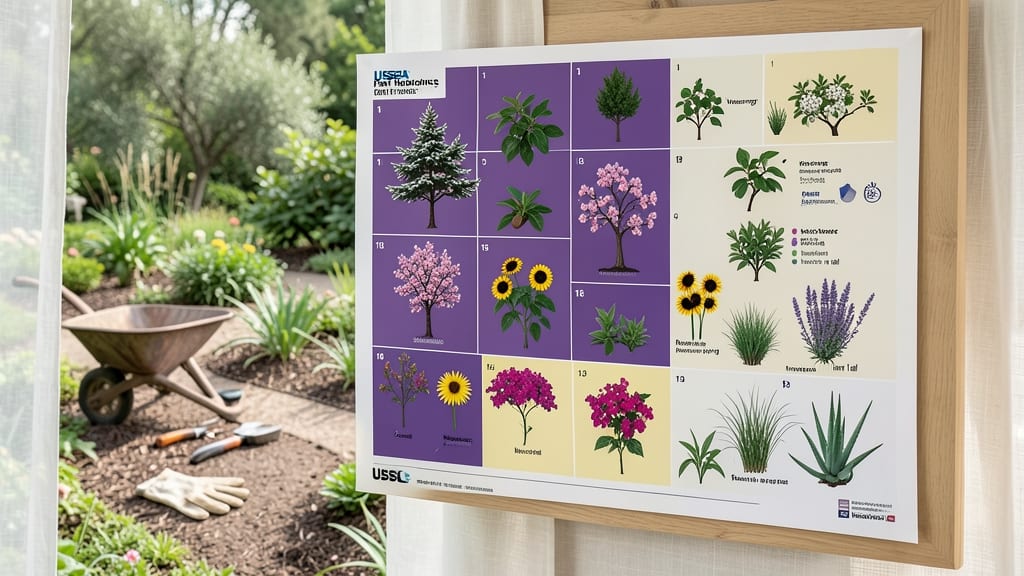
Choosing climate zones for gardening means picking plants that match your USDA hardiness zone while adapting to local microclimates like sun patterns, wind direction, and soil drainage. Double-check zone maps and plant labels to avoid costly mistakes.
Your garden's success depends on understanding how these zones work together.
The USDA system divides the country into 13 zones based on average minimum winter temperatures, but real-world conditions often vary—think of a south-facing wall creating a warmer microclimate or a low-lying area trapping cold air. 🌱 For example, a Zone 7 plant might thrive in a sheltered spot but freeze in an exposed one.
I always recommend testing soil temperature with a thermometer and observing where frost lingers longest in your yard.
Beyond official zones, pay attention to seasonal shifts. Some plants handle brief cold snaps better than others, while others need consistent warmth. Perennials like lavender or Russian sage often have wider adaptability, while tropicals like hibiscus demand year-round protection.
Start with your zone as a baseline, then adjust based on what you observe—your garden's microclimates will tell you more than any map ever could.
💡 In This Article
- Understanding USDA Hardiness Zones and Plant Survival
- Creating a Microclimate-Friendly Garden Layout
Understanding USDA hardiness zones and plant survival
The USDA hardiness zone system divides North America into 13 zones based on the average annual minimum winter temperature. Each zone represents a 10°F range, with Zone 1 experiencing -60°F to -50°F and Zone 13 staying above 60°F.
This classification helps predict which plants can survive winter's coldest periods, as most damage occurs when temperatures drop below a plant's tolerance level for extended periods. For example, a Zone 5 plant can handle down to -20°F, while a Zone 9 plant needs protection above 20°F. 🔥
Plant survival hinges on how cells respond to freezing temperatures. When temperatures drop, water inside plant cells begins to crystallize, which can rupture cell walls and kill the plant.
Some plants produce antifreeze proteins that lower the freezing point of their cell fluids, while others develop thick bark or deep root systems to insulate against cold. The USDA system accounts for these natural adaptations by testing plants in controlled environments over multiple years.
For instance, a Zone 6 perennial like peonies can survive -10°F because their buds produce protective sugars that prevent ice formation.
Seasonal variations complicate things further. While the zone map provides a baseline, actual temperatures can fluctuate significantly. A late spring frost might kill tender plants in Zone 8 even if they're technically hardy.
I've seen this firsthand with citrus trees in Florida's Zone 9b—a single 28°F night can devastate them despite their zone rating. To mitigate this, gardeners often use the "last frost date" as a critical marker.
This date, which varies by 10-14 days even within the same zone, tells you when it's safe to plant warm-season crops like tomatoes or peppers.
Cross-referencing zones with plant tags is non-negotiable. A plant labeled "Zone 5-9" means it can survive winters in those zones but may struggle at the extremes. For example, a Zone 7 rosebush might survive a -10°F dip if it's healthy, but a Zone 5 variety would handle it with ease.
Always check the lower zone number on the tag—this is the coldest temperature the plant can tolerate. Pro tip: If you're pushing a plant to the edge of its zone, give it extra protection like mulch or frost cloth during critical periods. 💫
Advanced gardeners also consider heat zones, which measure summer highs. Just as winter cold kills plants, extreme heat can be just as damaging. For instance, a Zone 10 plant might wilt in 100°F+ heat if it's not acclimated.
This is why some tropical plants thrive in Zone 10-11 but fail in Zone 9 despite similar winter temperatures. Pay attention to both winter lows and summer highs when selecting plants for your area.
Finally, remember that zones are averages. Your microclimate might be 1-2 zones warmer or colder than the official map suggests. For example, a south-facing slope can be 5°F warmer than the surrounding area, while a low-lying spot might be 5°F colder.
Always test your conditions by observing where frost lingers longest or where plants thrive unexpectedly. This hands-on approach will give you more accurate results than relying solely on the zone map. ✨