
Fertilization
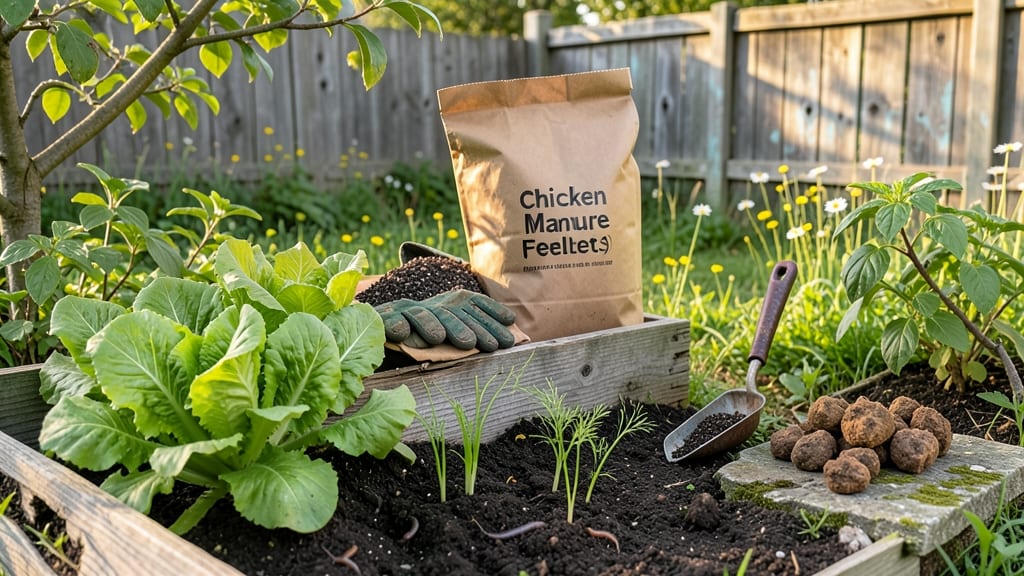
Using chicken fertilizer for gardens is one of the fastest ways to give your plants the nitrogen boost they crave—without the hefty price tag of synthetic options.
Picture this: You’ve spent weeks nurturing seedlings, only to watch them wilt when the soil lacks the right nutrients. That’s where chicken manure comes in—packed with three times the nitrogen of cow manure, it’s the secret weapon for vegetables, flowers, and herbs that grow 20% faster with proper use.
But here’s the catch: raw chicken manure can burn roots if applied directly. The key is aging it for 6 months to a year or composting it first.
Below, I’ll walk you through how to prep it, apply it safely, and avoid the three biggest mistakes that even experienced gardeners make.
You’ll also discover how it stacks up against other organic fertilizers, which plants benefit most, and how to troubleshoot issues like strong odors or uneven growth—so your garden thrives without the guesswork.

How to use chicken manure fertilizer for maximum garden growth
If you're looking for a budget-friendly way to give your garden a nutrient boost, chicken manure fertilizer is one of the best organic options. Packed with nitrogen, phosphorus, and potassium, it helps your plants grow faster and healthier—but only if you use it correctly.
The key? Aging and proper application to avoid burning your plants while maximizing growth.
Raw chicken manure is too strong for most plants, so composting it first is essential. Once aged, it becomes a powerhouse for vegetables, flowers, and lawns. Whether you're a beginner or a seasoned gardener, following the right steps ensures your soil stays rich without harming your plants.
Let’s break down how to use it safely and effectively.
For lawns, spread ½ pound of aged manure per 100 sq ft in early spring or fall. Rake it lightly into the top layer of soil to prevent clumping. This helps grass grow thicker and greener without the risk of burning.
If you’re growing sensitive plants like blueberries or azaleas, which prefer acidic soil, mix chicken manure with compost or peat moss to balance the nutrients. Over time, this keeps the soil fertile without raising the pH too much.
One of the biggest mistakes gardeners make is using raw chicken manure directly. It can cause ammonia burns on plant roots and leaves, stunting growth instead of boosting it. Always age it first—your plants will thank you with vibrant foliage and bigger yields.
To maximize results, pair chicken manure with compost or worm castings for a balanced nutrient profile. This combo provides a steady release of nutrients, ensuring your garden thrives all season long. With the right approach, chicken manure can be your secret weapon for a lush, productive garden.
Chicken manure fertilizer vs. other organic fertilizers: pros and cons
Choosing the right fertilizer can make or break your garden’s success. Chicken manure fertilizer stands out as a nitrogen-rich option, but it’s not always the best fit for every plant or situation.
Let’s break down how it compares to compost, worm castings, and synthetic fertilizers so you can make an informed decision for your garden’s needs.
If you’re growing leafy greens or fast-growing crops, chicken manure’s high nitrogen content is a game-changer. However, for delicate plants like orchids or seedlings, its intensity might do more harm than good. Understanding these differences helps you avoid costly mistakes and maximize your garden’s potential.
Chicken Manure Fertilizer: Pros & Cons
✅ Pros
- High nitrogen – Boosts leafy growth
- Cost-effective – Often free or cheap from local farms
- Improves soil structure – Adds organic matter over time
- Great for heavy feeders – Ideal for tomatoes, corn, and squash
❌ Cons
- Risk of burning plants – Must be aged or composted
- Strong odor – Can be unpleasant if fresh
- Not balanced – Lacks phosphorus and potassium
- Weed seeds – May introduce unwanted plants
When compared to compost, chicken manure is more potent but requires careful handling. Compost offers a balanced nutrient profile and is safer for all plants, making it a better choice for flowers and fruiting plants like strawberries.
Worm castings, on the other hand, provide a gentle nutrient boost with added microbial activity, perfect for seedlings and container gardens.
Synthetic fertilizers deliver precise NPK ratios, which is useful for correcting deficiencies quickly. However, they lack the soil-building benefits of organic options. For example, if your soil is depleted, a mix of chicken manure and compost can restore fertility better than synthetic alone.
Always test your soil first to determine what your garden truly needs.
For vegetable gardens, aged chicken manure is ideal when mixed into the soil before planting. But for ornamental plants, worm castings or compost tea might be safer.
The key is matching the fertilizer to your plant’s needs and your garden’s goals—whether it’s rapid growth, long-term soil health, or minimal maintenance.
Remember, the best fertilizer isn’t always the strongest—it’s the one that fits your specific plants and growing conditions. Experiment with small batches to see what works best in your garden. Happy growing! 🌱