
Vegetables
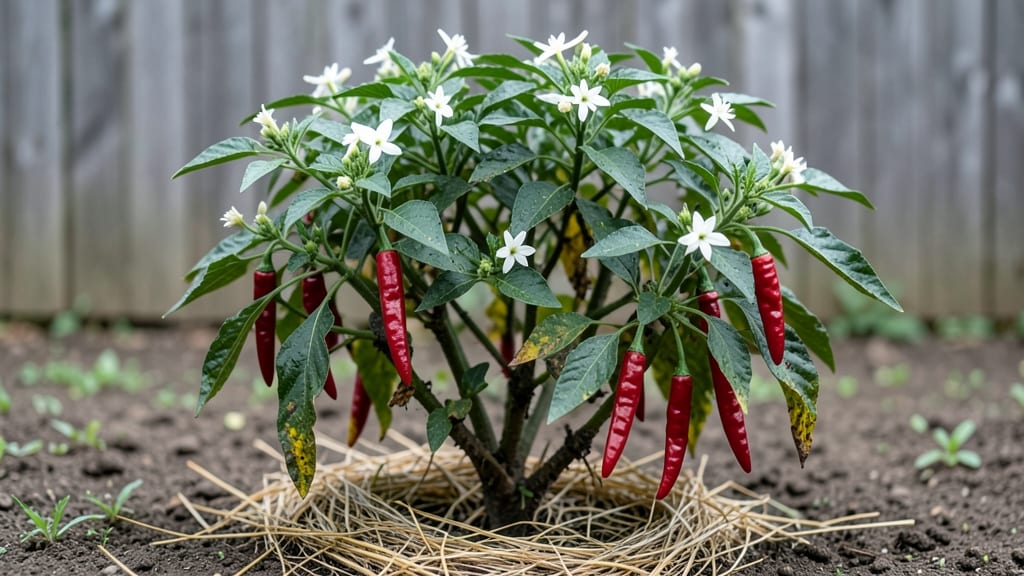
Growing cayenne peppers 🌶️ in your garden delivers more than just heat—it’s a rewarding challenge that turns your backyard into a spice factory.
Picture this: you’re biting into a homemade salsa, and that familiar kick hits just right. But here’s the catch—cayenne peppers demand perfect conditions to thrive, and one wrong move can leave you with bitter, underwhelming pods instead of fiery harvests.
Whether you’re in USDA Zone 6a or beyond, timing is everything. Planting in April or May, after the last frost, sets the stage for a July-to-October harvest, but getting the soil, sunlight, and water just right is where most gardeners stumble.
In this guide, I’ll walk you through the exact steps to grow cayenne peppers from seed to harvest—no guesswork, no wasted effort. You’ll learn the key tricks for bold flavor, how to spot problems before they ruin your crop, and when to harvest for maximum heat.
How to grow cayenne peppers from seed to harvest
Growing cayenne peppers from seed is one of the most rewarding experiences for any home gardener. These fiery plants don't just deliver heat—they offer a satisfying challenge that rewards patience with bold flavors and high yields.
Whether you're growing them in containers or garden beds, understanding the key stages from seed to harvest will help you cultivate peppers that are both spicy and abundant.
Let's dive into the essential steps to transform tiny seeds into a bounty of cayenne peppers ready for drying or fresh use.
The journey starts with selecting the right seeds and preparing your growing environment. Cayenne peppers are warm-weather plants that demand consistent sunlight and well-draining soil. Skipping these foundational steps can lead to stunted growth, weak plants, or even complete failure.
By following a structured approach, you'll ensure your cayennes thrive from their first sprouts to their final harvest. Let's explore the step-by-step process that separates successful growers from those who struggle.
Step-by-Step Cayenne Pepper Growing Guide
- 1 Select High-Quality Seeds: Choose heirloom or hybrid cayenne seeds from reputable suppliers. Look for varieties like 'Carolina Cayenne' or 'TAM Mild' that suit your climate. Soak seeds overnight in warm water to speed up germination.
- 2 Prepare Soil Mix: Use a well-draining potting mix with 50% peat moss, 30% perlite, and 20% compost. Cayennes hate soggy roots, so avoid heavy clay soils. For garden beds, amend soil with aged compost and a balanced fertilizer (10-10-10).
- 3 Sow Seeds Indoors: Plant seeds ½ inch deep in biodegradable pots 6-8 weeks before last frost. Keep soil at 75-85°F using a heat mat. Germination takes 7-14 days—patience is key!
- 4 Hardening Off Seedlings: Acclimate seedlings to outdoor conditions over 7-10 days. Start with 2-3 hours of sunlight daily, gradually increasing exposure. Avoid cold nights (50°F minimum).
- 5 Transplant Outdoors: Wait until soil reaches 60°F+ and night temps stay above 55°F. Space plants 18-24 inches apart in full sun (6+ hours daily). Bury stems deeper than pots to strengthen roots.
- 6 Water Consistently: Water at soil level deeply 2-3 times weekly, avoiding wetting leaves. Use drip irrigation to prevent fungal diseases. Mulch with straw or grass clippings to retain moisture.
- 7 Fertilize Regularly: Feed every 4-6 weeks with balanced fertilizer (10-10-10). Reduce nitrogen in late summer to boost fruit production. Avoid over-fertilizing—it leads to leafy growth, not peppers!
- 8 Prune for Airflow: Remove lower leaves to prevent soil-borne diseases. Pinch off side shoots to direct energy to main stems. Prune in morning hours to allow wounds to heal.
-
9
Harvest at Peak Ripeness: Pick peppers when they're
Best cayenne pepper varieties for your climate and soil
Choosing the right cayenne pepper variety is key to maximizing your harvest and heat levels. Different varieties thrive in specific climates and soil types, so selecting the best match for your USDA zone ensures success.
Whether you're in a hot southern region or a cooler northern zone, there's a cayenne that will flourish in your garden.
Heat preferences, plant size, and disease resistance all play a role in variety selection. For example, TAM Mild offers a milder kick, while Carolina Cayenne packs serious heat. Let’s explore the top varieties and their ideal growing conditions to help you make the best choice for your garden.
Soil requirements are just as critical as climate when growing cayennes. These peppers thrive in well-draining soil with a pH between 6.0 and 7.0. Amending your soil with compost or aged manure improves fertility and drainage, which is essential for preventing root rot and ensuring healthy growth.
If your soil is heavy clay, consider planting in raised beds or containers for better results.
For hotter climates (Zones 8-11), varieties like Louisiana Cayenne and Carolina Cayenne are excellent choices due to their heat tolerance and high yields. In cooler regions (Zones 5-7), opt for TAM Mild or Jalapeño M, which mature faster and handle shorter growing seasons better.
Always plant after the last frost date when soil temperatures reach at least 60°F.
Don’t forget to monitor your plants for pests and diseases, especially in humid climates. Regularly inspect leaves for signs of aphids or spider mites and treat early with neem oil or insecticidal soap.
Proper spacing between plants also improves airflow, reducing the risk of fungal infections like powdery mildew.
With the right variety, soil, and climate, your cayenne peppers will reward you with a bountiful harvest of fiery flavor. Experiment with different types to find your favorite, and enjoy the satisfaction of growing your own homegrown heat!