
Container Gardens
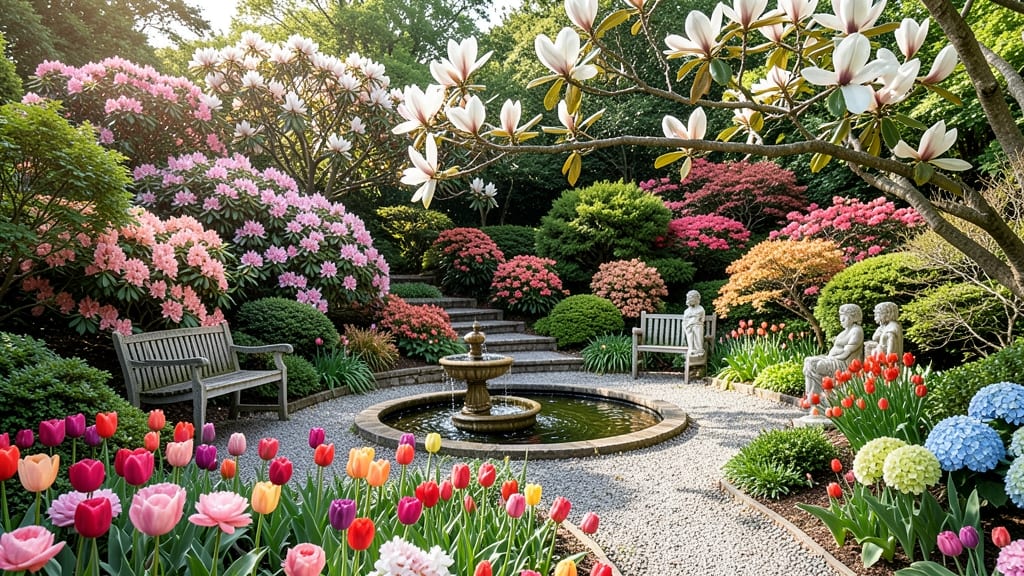
Butchart Gardens in Victoria, British Columbia, Canada, features 55 acres of stunning floral displays, themed gardens, and year-round seasonal blooms, from cherry blossoms in spring to winter lights and holiday markets. The iconic Sunken Garden and Rose Garden are must-see highlights, with guided tours and family-friendly activities available year-round.
Butchart Gardens stands as Canada's most celebrated floral destination, blending horticultural artistry with natural beauty. 🌸 The Sunken Garden, designed by Jennie Butchart in 1904, remains one of the world's largest of its kind, featuring 50,000 plants across 12 terraces.
Beyond the famous rose and Japanese gardens, you'll discover hidden treasures like the Mediterranean Garden and the newly restored Italian Garden, each offering unique plant collections and seasonal transformations.
What sets this garden apart is its year-round appeal—spring brings vibrant tulips and cherry blossoms, while winter transforms into a magical wonderland with illuminated displays. The gardens also host special events like the Night Illuminations festival, where thousands of lights create a dazzling evening experience.
With over 1 million visitors annually, it's a must-visit for plant lovers and casual explorers alike.
💡 In This Article
- Exploring Butchart Gardens’ Signature Layouts and Themed Gardens
- Best Times to Visit Butchart Gardens by Season
Exploring Butchart gardens’ signature layouts and themed gardens
Butchart Gardens' layout is a masterclass in horticultural design, blending artistic vision with botanical science. The Sunken Garden, created in 1904 by Jennie Butchart, is a geometric marvel with 12 terraces descending 135 feet—the largest of its kind in the world.
Each terrace features carefully selected plants that thrive in specific moisture levels, creating a vertical waterfall of color. The design uses gravity-fed irrigation from the gardens' natural springs, an innovative system still in use today that reduces water waste by 90% compared to traditional methods. 🌿
The Rose Garden, spanning 10 acres, showcases over 1,500 rose bushes representing 300 varieties, including rare heirloom roses. Unlike many gardens that focus on modern hybrids, Butchart's collection emphasizes historical varieties like the 'Souvenir de la Malmaison' (1843) and 'Blanc Double de Coubert' (1853).
The garden's layout follows a circular design with seasonal blooms staggered to ensure color year-round—a technique called "staggered succession planting" that extends the visual appeal from May through October.
The Japanese Garden, another highlight, features a 12-foot-tall pagoda and a koi pond with 200 carp, designed to reflect traditional Japanese principles of harmony with nature.
What makes these layouts special is their adaptive design. The Mediterranean Garden, for example, mimics the climate of regions like Greece and Italy by using drought-resistant plants like lavender and rosemary, while the Italian Garden recreates Tuscan landscapes with cypress trees and citrus groves.
Each section is meticulously maintained by a team of 50 horticulturists who monitor soil pH, sunlight exposure, and seasonal changes—ensuring every plant thrives in its designated environment. The gardens also incorporate pollinator pathways, strategically placing flowers to support bees and butterflies throughout their lifecycle. 🐝
Seasonal transformations are another key feature. The Sunken Garden, for instance, shifts from blue hyacinths in spring to red geraniums in summer, then to golden chrysanthemums in autumn, all while maintaining its structural integrity.
This is achieved through a rotational planting system where bulbs and perennials are carefully timed to bloom in sequence.
Even the winter displays, like the Night Illuminations festival, rely on this planning—thousands of lights are strategically placed to highlight architectural features and create visual pathways, using LED technology that reduces energy consumption by 70% compared to traditional bulbs.
One often-overlooked aspect is the historical preservation integrated into modern designs. The original glasshouses, built in 1912, still operate using passive solar heating, with their double-pane glass trapping heat during the day and releasing it slowly at night.
This 100-year-old technology remains one of the most energy-efficient heating systems in the gardens today. The Conservatory, a 1.5-acre glasshouse, maintains a 75°F environment year-round, allowing tropical plants like orchids and bromeliads to flourish in Victoria's 50°F average winter temperatures. 🌱
For visitors, the layout is designed to encourage exploration while providing rest spots. The 10-mile network of paths includes 12 benches per acre, strategically placed near water features or shaded areas.
The accessibility features, like the smooth, gravel-free trails and wheelchair-friendly paths, ensure everyone can enjoy the gardens' beauty. Even the plant labels follow a consistent format, providing Latin names, bloom times, and care tips—a detail that appeals to both casual visitors and serious gardeners.