
Container Gardens
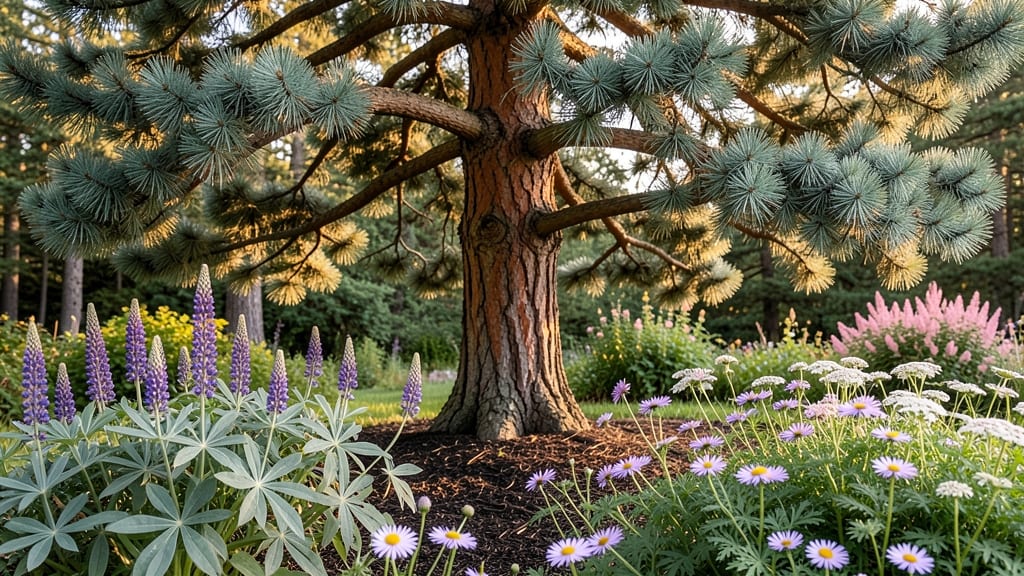
Victoria BC’s botanical gardens offer breathtaking plant collections through world-class displays like the Royal BC Museum’s gardens, Butchart Gardens, and Uplands Park, featuring themed exhibits, rare botanical species, and ever-changing seasonal blooms perfect for nature enthusiasts and photographers.
Victoria’s mild coastal climate creates ideal conditions for these gardens to thrive year-round. 🌸 At Butchart Gardens, for example, you’ll find over 1,000 varieties of roses in peak bloom during summer, while Uplands Park focuses on native British Columbia flora that thrives in the region’s unique microclimates.
Each garden offers distinct seasonal highlights—spring tulips at the Royal BC Museum’s gardens and autumn foliage displays at Uplands—that make every visit feel like discovering a new landscape.
What sets Victoria’s botanical gardens apart is their commitment to both conservation and visitor experience. Many feature educational trails explaining local ecosystems, while seasonal events like night gardens or winter plant tours provide fresh perspectives.
Whether you're chasing Instagram-worthy blooms or seeking quiet botanical exploration, these gardens deliver unforgettable experiences in every season.
💡 In This Article
- Victoria’s Top Botanical Gardens and Their Unique Plant Collections
- Best Times to Visit Victoria’s Botanical Gardens by Season
Victoria’s top botanical gardens and their unique plant collections
Victoria’s botanical gardens thrive thanks to the region’s marine west coast climate, characterized by mild winters (3-5°C) and cool summers (18-22°C). This creates ideal conditions for diverse plant life, including rare species that require consistent moisture and moderate temperatures.
Butchart Gardens, for instance, features over 1,000 rose varieties—a collection that includes heirloom and modern hybrids—all carefully selected to flourish in this climate.
Their Sunken Garden, designed in 1936, showcases vibrant annuals like petunias and geraniums that bloom continuously from spring to fall, thanks to the garden’s south-facing orientation which maximizes sunlight exposure.
The Royal BC Museum’s gardens focus on historical and medicinal plants, featuring a 19th-century kitchen garden with herbs like lavender and rosemary, which thrive in Victoria’s well-drained, acidic soil.
This garden also includes a native plant collection that highlights species like Pacific dogwood (Cornus nuttallii) and sword fern (Polystichum munitum), both of which are adapted to the region’s high humidity and frequent coastal fog.
The museum’s greenhouse complex further expands its offerings, housing tropical plants like orchids and bromeliads that require 70-80% humidity—conditions replicated through advanced climate control systems.
Uplands Park stands out for its commitment to native British Columbia flora, featuring over 2,000 plant species, including 500+ native varieties.
The park’s Coastal Douglas-fir forest trail showcases towering trees that reach heights of 60-80 meters, while its wetland areas support rare species like the yellow violets (Viola glabella), which bloom in early spring.
Unlike Butchart’s curated displays, Uplands emphasizes naturalistic plantings, allowing visitors to observe how these species interact in their native ecosystems. This approach creates a more immersive experience, particularly for those interested in conservation and local biodiversity.
Each garden’s seasonal bloom cycles are carefully managed to ensure year-round interest. For example, Butchart’s spring display features 20,000 tulip bulbs planted in early autumn, which bloom between April and May when daytime temperatures consistently reach 12°C.
In contrast, Uplands’ autumn foliage peaks in October and November, when cooler temperatures (10-15°C) trigger vibrant color changes in species like maple and alder trees.
These cycles are influenced by photoperiodism—the plant’s response to daylight duration—which varies significantly between Victoria’s long summer days (15+ hours of sunlight) and short winter days (8-9 hours).
Visitors often overlook the sensory experiences these gardens offer. At Butchart, the rose garden’s fragrance peaks in late morning (10 AM-12 PM) when temperatures are ideal for oil production in the petals.
Meanwhile, Uplands’ native plant trails provide a textural contrast, from the rough bark of cedar trees to the soft needles of Douglas fir. These details transform a simple walk into a multi-sensory journey, making each garden unique beyond just visual appeal. 🌿
For those planning a visit, understanding these climate-adapted plant collections can enhance the experience. For instance, the Royal BC Museum’s gardens are best visited in late afternoon when the greenhouse’s humidity levels create a lush, tropical atmosphere.
Meanwhile, Uplands’ wildflower meadows are most vibrant in early summer (June-July), when wild roses and lupines are in full bloom. These insights help visitors align their trips with the gardens’ natural rhythms.