
Planting
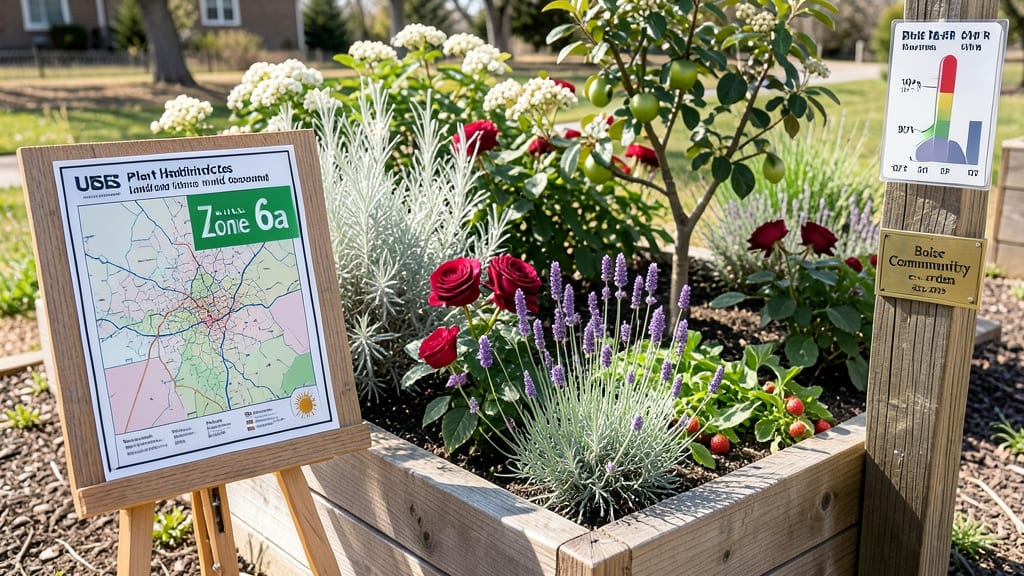
Gardening in Boise, Idaho requires planning for USDA Hardiness Zones 6b-7a, with last frost dates around April 15 and first frost typically arriving October 15. This frost-free window of about 180 days creates ideal conditions for growing warm-season vegetables like tomatoes and peppers.
Boise's elevation and proximity to the Boise River create microclimates that can shift planting zones by up to half a zone in some areas. 🌱 For example, urban heat islands in downtown can push temperatures higher than rural areas, while river valleys often experience cooler nights.
To get the most accurate planting advice, I recommend checking the USDA Plant Hardiness Zone Map for your specific neighborhood—Boise spans zones 6b through 7a, but your exact location might fall in either range.
This zone classification directly impacts what you can grow. Zone 6b plants like raspberries and strawberries can survive winter, while Zone 7a varieties like figs and loquats thrive in Boise's warmer microclimates.
The frost dates also determine your planting windows—cool-season crops like spinach and peas should go in by early March, while warm-season plants like cucumbers and eggplants need to wait until after May 15 to avoid frost damage.
💡 In This Article
- Understanding Boise’s Microclimates and Plant Hardiness Zones
- Boise’s Frost Dates and Planting Calendar for Vegetables & Flowers
Understanding Boise’s microclimates and plant hardiness zones
Boise's elevation—averaging 2,700 feet above sea level—plays a huge role in creating its unique gardening conditions. The city sits in a high desert basin surrounded by mountains, which creates temperature variations that can shift planting zones by up to half a zone within just a few miles.
For instance, areas near the Boise River experience cooler nights due to the river's moderating effect, while downtown's urban heat island can push temperatures 5-10°F warmer than surrounding rural areas.
The USDA Plant Hardiness Zone Map divides Boise primarily into 6b and 7a, but these zones don't tell the whole story.
Zone 6b areas (with average minimum temperatures of -5°F to 0°F) are typically found in higher elevation neighborhoods like Meridian, while Zone 7a (with 0°F to 5°F minimums) dominates lower elevations near the river.
To verify your exact zone, use the USDA Interactive Map and cross-reference with local data from Idaho State University Extension, which tracks Boise's specific microclimates.
These microclimates directly affect what you can grow successfully. For example, Zone 7a plants like figs and pomegranates thrive in Boise's warmer microclimates, while Zone 6b varieties like hardy apples and cherries do better in cooler areas.
The temperature differences also influence planting timing—warm microclimates can support earlier warm-season crops like tomatoes by 2-3 weeks compared to cooler zones.
Another critical factor is Boise's diurnal temperature swings—the difference between day and night temperatures can exceed 30°F in summer. This extreme variation requires careful plant selection. Heat-loving crops like peppers and okra need protection from afternoon sun, while cold-hardy plants like kale and broccoli benefit from the cooler nights.
Understanding these patterns helps you choose the right varieties and planting locations for your specific microclimate.
To make the most of Boise's gardening potential, consider these key strategies: Plant heat-sensitive crops in morning sun areas, use windbreaks to protect from desert winds, and take advantage of south-facing slopes which warm up faster.
The city's unique combination of elevation, river influence, and urban heat creates gardening opportunities that reward careful planning and observation.
For precise local data, check Boise's Cooperative Observer Network station records, which track daily temperature extremes. These records show that while the average last frost is April 15, some years see frost as late as May 10, while first frosts can arrive as early as September 20.
This variability is why experienced Boise gardeners always have row covers ready for late spring and early fall plantings.