
Advice
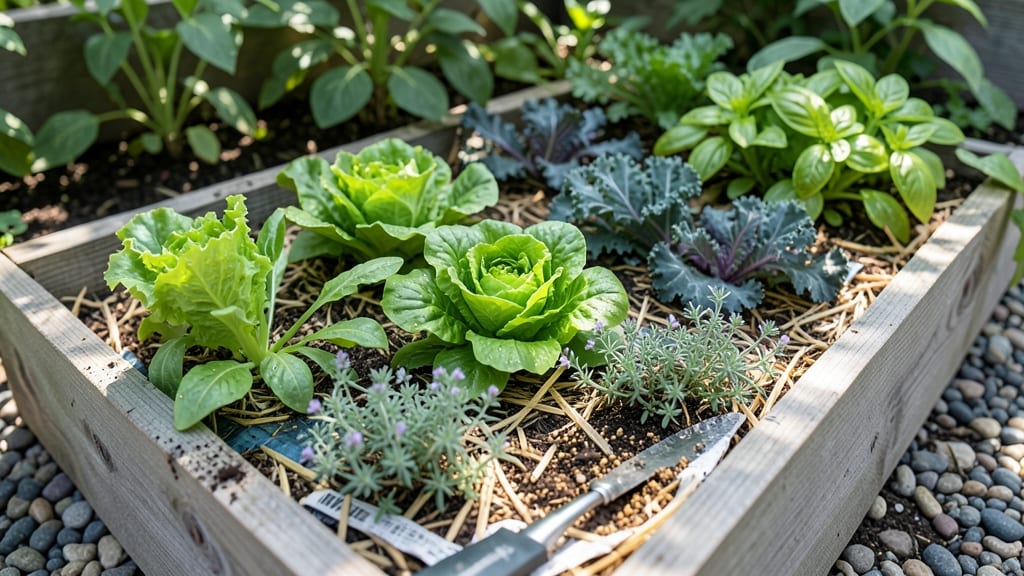
The best way to keep weeds out of your garden combines physical barriers like thick mulch or landscape fabric with regular maintenance—pulling weeds early and using natural herbicides only when necessary. The key is stopping them before they sprout.
Weeds thrive where sunlight reaches bare soil, so the secret weapon is smothering them with organic layers. 🌱 Cardboard blocks light while breaking down, while 3-4 inches of mulch (straw, wood chips, or leaves) creates a weed-free zone by choking out seeds.
I've found that combining these with a weekly walkthrough to yank young weeds before they root makes all the difference. For stubborn patches, a vinegar-water spray (1:1 ratio) works as a targeted organic herbicide without harming your plants.
Here's the pro tip: Timing matters. Apply barriers in early spring before weed seeds germinate, and refresh mulch layers as they decompose. In shady areas, even a thin layer of newspaper topped with compost can suppress weeds effectively.
The goal isn't perfection—it's creating an environment where weeds can't compete with your desired plants.
💡 In This Article
- How Natural Barriers Block Weed Growth
- Step-by-Step Guide to Building a Weed-Free Garden
How natural barriers block weed growth
Weeds grow because they need sunlight to germinate and thrive—up to 90% of weed seeds won't sprout without adequate light. Natural barriers like cardboard and mulch work by creating a physical shield that blocks 95-99% of sunlight from reaching the soil.
Cardboard, for example, decomposes over 3-6 months while blocking light, while landscape fabric allows some moisture through but still suppresses 80-90% of weed growth when properly installed. The key difference?
Organic barriers like mulch improve soil health over time by adding nutrients, whereas synthetic fabric can trap moisture and create anaerobic conditions that harm beneficial microbes.
Mulch works through a double mechanism: it blocks light AND disrupts weed roots.
A 3-4 inch layer of straw or wood chips creates a dense mat that chokes out young weeds by preventing oxygen from reaching their roots. 🌱 For example, straw mulch breaks down slowly, maintaining its weed-suppressing properties for 6-12 months, while wood chips provide longer-term coverage but may need replenishing annually.
The texture also matters—coarse mulches like pine bark create larger air gaps, while fine mulches like shredded leaves form a tighter barrier. This is why a mix of materials often works best.
Soil temperature plays a surprising role too. Dark mulches like black plastic or dark wood chips absorb heat, raising soil temperatures by 5-10°F in sunny areas. While this helps break down organic matter faster, it can also accelerate weed seed germination in some cases.
That's why lighter mulches (straw, cedar) are often preferred—they maintain more stable soil temperatures while still blocking light effectively. The ideal mulch choice depends on your climate: in hot, dry regions, lighter mulches prevent overheating, while in cooler climates, darker mulches can provide extra warmth for plant roots.
Here's what most gardeners miss: the "edge effect." Weeds often creep in at the mulch's perimeter where light can still penetrate. To combat this, create a 2-3 inch border of bare soil or use edging materials like metal or stone to keep mulch contained.
This simple adjustment can reduce perimeter weed growth by up to 60% without extra effort. The same principle applies to cardboard barriers—always overlap sheets by 4-6 inches to prevent light from sneaking through gaps.
For stubborn perennial weeds like dandelions or creeping charlie, the barrier must also address their deep root systems. Landscape fabric alone won't cut it—you need a combination of smothering AND root disruption.
For example, placing a 1/4 inch thick layer of newspaper (3-4 sheets) over roots before adding mulch can weaken them over time. The newspaper breaks down while the mulch blocks regrowth.
This two-step approach is why professional gardeners often recommend "lasagna mulching"—layering cardboard, newspaper, and compost to create an impenetrable weed barrier.
The long-term impact on soil health varies dramatically between organic and synthetic barriers. Organic mulches like straw or leaves gradually decompose, adding 1-2% organic matter to soil annually and improving water retention.
Synthetic barriers, however, can create a "plastic soil" effect where water runs off instead of soaking in, while also preventing earthworms and beneficial microbes from reaching the lower layers. 🌍 For the healthiest garden ecosystem, organic barriers win—but they do require more frequent maintenance to stay effective.