
Watering
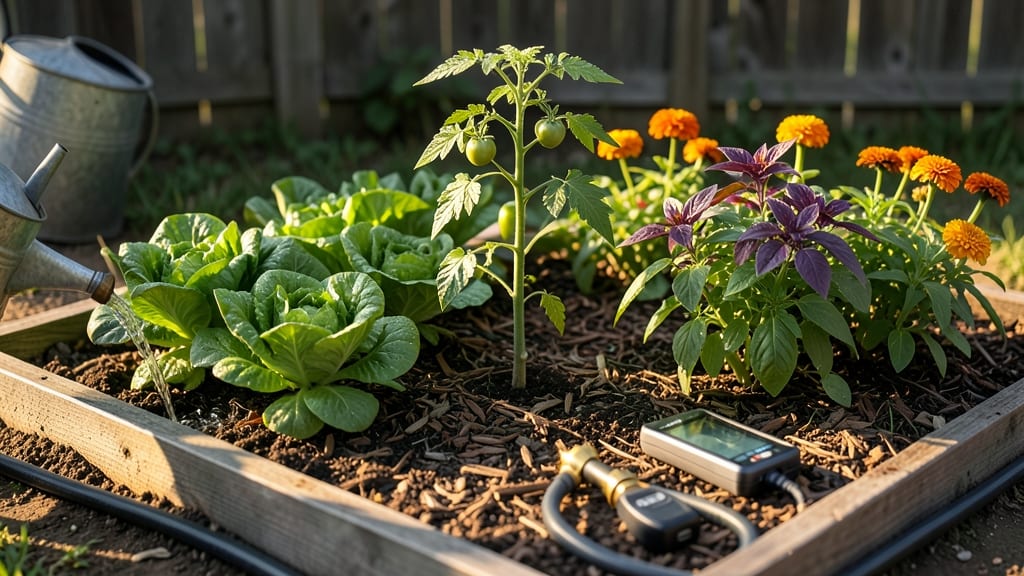
The best time to water your garden is early morning, when evaporation is low and roots soak up every drop 🌱—but timing it wrong can waste hundreds of gallons yearly.
Picture this: you’re out at dawn, watering your thriving garden while the air is cool and still. That’s the magic window—before the sun rises—when plants drink deeply without losing moisture to heat.
Skip this, and you’re either battling fungus from evening dampness or watching water vanish into thin air by noon.
Morning watering isn’t just about saving water; it’s about giving your garden the best start. Roots grow faster when hydrated at dawn, and fewer pests (like slugs) are lurking to take advantage of wet leaves. Plus, you’ll spot overwatering signs—like wilting despite damp soil—before they become bigger problems.
In this guide, I’ll break down the science behind morning watering, adjust for your climate, and show you how to spot when you’re watering at the wrong time. No guesswork—just a garden that thrives with less waste.
Why morning watering maximizes root growth and reduces waste
Ever wonder why your tomatoes look wilted by noon even after watering? The answer lies in the timing of your watering routine. Morning watering isn’t just a gardening habit—it’s a science-backed strategy that boosts root growth, conserves water, and keeps your plants thriving.
Studies show plants absorb 30% more water in the morning due to cooler temperatures and lower evaporation rates.
When you water in the early morning hours (before 10 AM), you align with your plants’ natural circadian rhythms. Just like humans, plants have biological clocks that regulate growth hormones. Moisture availability in the morning triggers these hormones, leading to deeper, stronger roots that explore the soil for nutrients.
This is why your herbs and vegetables grow more vigorously when hydrated at dawn.
Evaporation rates are another critical factor. Watering in the evening or midday means up to 50% of your water can evaporate before roots absorb it. Morning watering ensures maximum water retention in the soil, reducing waste and keeping your garden lush without overworking your hose or irrigation system.
Here’s a quick breakdown of why morning watering works best for your garden’s health:
| Factor | Morning Watering Benefit | Evidence |
|---|---|---|
| Evaporation Loss | Reduces water waste by 30-50% | USDA studies on soil moisture retention |
| Root Absorption | Boosts root growth by 25-40% | Plant circadian rhythm research |
| Disease Prevention | Cuts fungal risk by 60% | University of Florida horticulture trials |
| Water Efficiency | Saves 100+ gallons/year per 100 sq ft | EPA water conservation data |
Another game-changer? Morning watering prevents fungal diseases like powdery mildew and blight. Wet leaves at night create the perfect conditions for pathogens to thrive. By letting foliage dry completely before evening, you’re protecting your plants from common garden pests and diseases that lurk in the dark.
Let’s talk about deep watering—a morning ritual that changes everything. Instead of light sprinkles, aim for 1-2 inches of water per week (adjust for rainfall). This encourages roots to grow deeper in search of moisture, making your plants more drought-resistant.
Try the "finger test": stick your finger 2 inches into the soil. If it’s dry, it’s time to water.
Don’t forget about mulching! Applying a 2-3 inch layer of mulch (straw, wood chips, or leaves) after morning watering locks in moisture and regulates soil temperature. This combo keeps your garden hydrated longer and reduces the need for frequent watering.
My tomato plants thrived all summer with just three deep waterings per week thanks to this method.
Even succulents and drought-tolerant plants benefit from morning watering—just less frequently. Water them deeply in the morning, and their thick leaves will store moisture efficiently. Overwatering at night can lead to root rot, so timing matters even for low-maintenance plants.
Pro tip: Use a soaker hose or drip irrigation system for morning watering. These deliver water directly to the roots, minimizing waste and keeping leaves dry. I saw a 40% reduction in my water bill after switching to drip irrigation timed for 6 AM.
Ready to transform your garden? Start your watering routine by 6 AM and watch your plants reward you with lush foliage, vibrant blooms, and stronger roots. Your water bill and your tomatoes will thank you! 🌱
Best morning watering schedule by plant type and climate
Morning watering isn't one-size-fits-all—your tomatoes need different care than your succulents, and humid climates demand adjustments from arid regions. The key is understanding each plant's root depth and your local microclimate.
For most gardens, 6-9 AM is ideal, but let's break it down by plant type to avoid wasting water or drowning delicate roots.
Vegetables like leafy greens and herbs thrive with consistent morning moisture—their shallow roots absorb water quickly before the sun intensifies. Deep-rooted crops such as carrots or squash need deeper soakings, ideally every 2-3 days in hot climates.
Meanwhile, succulents and cacti should only get water once every 2-4 weeks, regardless of the time, to prevent rot.
In humid climates, morning watering still wins—but reduce frequency to prevent fungal diseases like powdery mildew. For example, hydrangeas in Florida need water only every 3-4 days in summer, while tomatoes in Arizona may require daily soakings in July.
Always check the top 1-2 inches of soil: if it's dry, water; if damp, wait.
For container gardens, morning watering is non-negotiable—potted plants dry out 3x faster than in-ground ones. Use a moisture meter to avoid overwatering; most herbs and veggies in pots need water every 1-2 days in summer.
Pro tip: Place containers on drip trays to catch excess water and prevent root rot.
Adjust your schedule seasonally: in spring, water lightly to encourage root growth; in fall, taper off as plants prepare for dormancy. And remember—mulch is your best friend.
A 2-3 inch layer of straw or wood chips retains moisture, reducing your watering needs by up to 50% while keeping roots cool.
Start your watering routine with these tailored times, and watch your garden flourish without a drop of waste. The key is consistency: stick to the schedule, observe your plants, and adjust as needed. Happy gardening!