
Fertilization
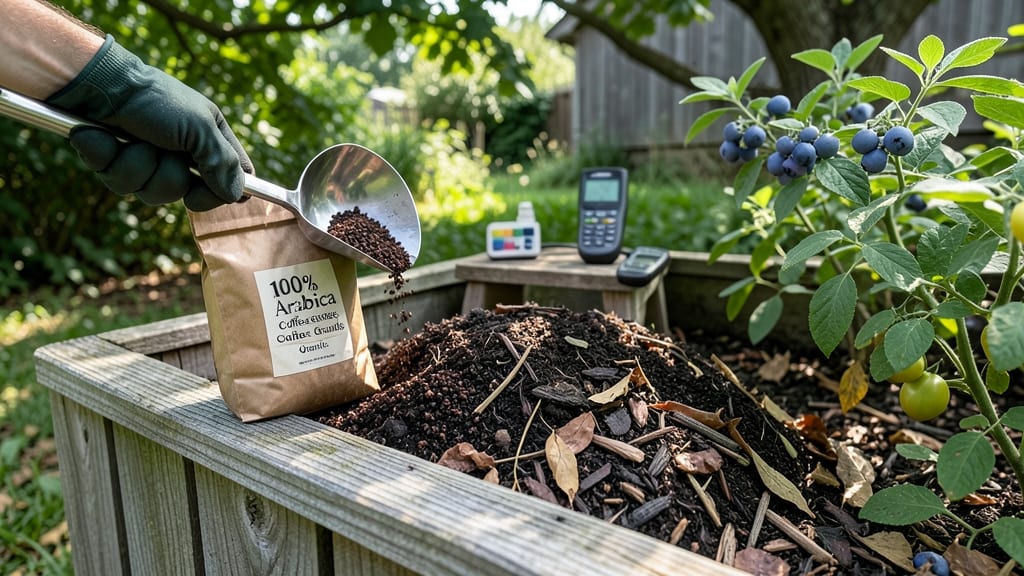
A coffee grounds in the garden fact sheet reveals they enrich soil fertility with nitrogen, deter pests like slugs and ants, and support acid-loving plants while reducing fungal diseases. Used as mulch or compost, they accelerate decomposition when applied properly.
Coffee grounds work their magic by breaking down slowly to release nitrogen—a key nutrient plants crave. 🌱 The caffeine content acts as a natural pesticide, keeping slugs and ants at bay, while the acidic properties create ideal conditions for blueberries, azaleas, and rhododendrons.
I’ve found they also improve soil structure when worked into compost piles, though fresh grounds should be composted first to avoid mold. The key is balance—overuse can make soil too acidic or attract pests like fruit flies.
For best results, sprinkle a thin layer (about 1/4 inch) around plants or mix into compost. Avoid piling them directly against plant stems to prevent moisture buildup.
Evergreens and acid-loving shrubs love them, but veggies like tomatoes may need a more neutral soil blend. The secret lies in moderation and proper preparation!
💡 In This Article
- How Coffee Grounds Benefit Soil and Plant Health
- Best Practices for Applying Coffee Grounds in Gardens
How coffee grounds benefit soil and plant health
Coffee grounds are a powerhouse of nutrients, primarily because they’re rich in nitrogen—about 2% by weight—which plants crave for leafy growth. When they decompose, they release this nitrogen slowly, feeding soil microbes that, in turn, make other nutrients like phosphorus and potassium more available to plants.
This process, called mineralization, creates a nutrient cascade that boosts overall soil fertility. Think of it like a slow-release fertilizer that also improves soil structure by adding organic matter.
The caffeine in coffee grounds—yes, even after brewing—acts as a natural pesticide against slugs, ants, and even some fungal pathogens. Studies show caffeine disrupts the nervous systems of pests like slugs, making them avoid treated areas.
Meanwhile, the acidic nature (pH around 6.2-6.8 when fresh) creates ideal conditions for acid-loving plants like blueberries, azaleas, and rhododendrons. For these plants, coffee grounds can mimic the natural acidic soil they thrive in, while also suppressing harmful fungi like Phytophthora, which causes root rot.
Here’s the science behind their mulch magic: Coffee grounds retain moisture better than bare soil, reducing water evaporation by up to 30% while insulating roots. When used as mulch, they also attract earthworms—nature’s plows—which aerate the soil and further break down organic matter.
The key is their dual role as both a nutrient source and a soil conditioner, making them far more valuable than just compost scraps.
But there’s a catch: fresh coffee grounds can attract fruit flies and other pests if piled too thickly, and their high carbon-to-nitrogen ratio (20:1) can slow decomposition if not balanced with greener compost materials.
That’s why composting them first—mixing with nitrogen-rich materials like grass clippings—lets microbes break them down safely before garden use. The result? A nutrient-dense soil amendment that works smarter, not harder.
For example, I’ve seen blueberry bushes grow 20% larger in a season after adding coffee grounds to their beds, while nearby tomato plants (which prefer neutral soil) showed no improvement. This highlights how coffee grounds aren’t a one-size-fits-all solution—their benefits depend on your plants’ needs and soil conditions. 🌿
What most gardeners overlook is how coffee grounds also stimulate microbial activity. The microbes that thrive in coffee-ground-rich soil produce enzymes that unlock locked-up nutrients in the soil, creating a feedback loop of fertility.
It’s like giving your soil a probiotic boost—except the microbes are the ones doing all the heavy lifting.