
Lawn
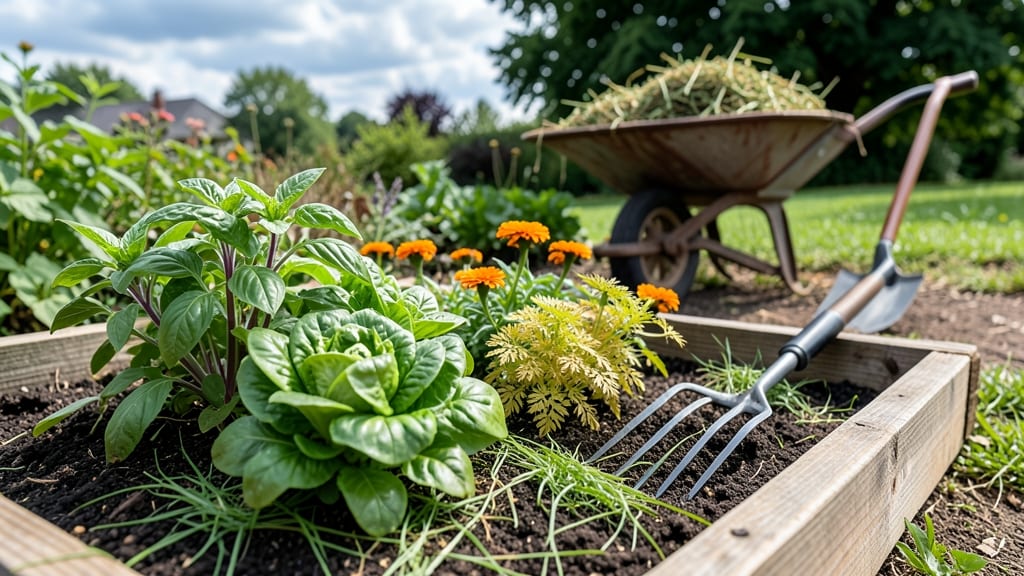
Using lawn clippings in the garden boosts soil fertility by cycling back nitrogen-rich organic material, naturally suppresses weeds, and locks in moisture—just shred them finely and spread them lightly to prevent clumping. Too much can create thatch or invite fungal issues.
Lawn clippings act like a free, nutrient-packed soil amendment when used correctly. 🌱 The nitrogen in fresh grass helps feed microbes and plants, while the organic matter improves soil structure over time.
I've seen gardens thrive with just a 1-inch layer of clippings—it's like giving your soil a slow-release fertilizer without the chemicals. The key is balance: too thick a layer can smother plants, while proper distribution prevents thatch buildup that suffocates roots.
For best results, mulch clippings immediately after mowing rather than bagging them. This natural mulch breaks down quickly, releasing nutrients as it decomposes. In my experience, spring applications work best for cool-season grasses, while fall is ideal for warm-season varieties.
If you have excess clippings, consider making a grass compost pile—it decomposes faster than most yard waste and adds valuable organic material to your garden soil.
💡 In This Article
- How Lawn Clippings Enhance Soil Health
- Best Practices for Applying Lawn Clippings in Gardens
How lawn clippings enhance soil health
Lawn clippings are essentially a free nitrogen boost for your garden. When grass blades break down, they release nitrogen through a process called mineralization, where soil microbes convert organic nitrogen into plant-available forms like ammonium and nitrate.
Fresh clippings contain about 2-4% nitrogen by dry weight, which is comparable to a light application of synthetic fertilizer.
This nitrogen feeds beneficial microbes, which in turn improve soil structure and nutrient cycling. 🌱 The decomposition process also releases other essential nutrients like phosphorus and potassium, though in smaller amounts.
The carbon-to-nitrogen (C:N) ratio is critical here—fresh grass clippings have a ratio of about 20:1 to 30:1, which is ideal for microbial activity. When you mulch clippings directly, they decompose quickly (typically within 2-4 weeks), feeding microbes without causing nitrogen depletion.
In contrast, composted clippings (with a 15:1 to 20:1 ratio) release nutrients more slowly, making them better for long-term soil improvement. The key difference is timing: fresh clippings work faster for immediate plant needs, while composted versions build soil fertility over months.
One of the most underrated benefits is how clippings improve soil moisture retention. The organic matter breaks down into humus, which acts like a sponge, holding up to 20% more water than bare soil.
This is especially valuable in drought-prone areas, where a 1-inch layer of clippings can reduce water evaporation by 30-40%. The mulch also creates a protective barrier that shields soil from heavy rain erosion, preventing nutrient runoff—a major environmental benefit compared to synthetic fertilizers that often leach into waterways. 💧
For gardeners looking to reduce synthetic inputs, clippings offer a natural alternative to chemical fertilizers. Studies show that gardens using grass clippings as mulch can cut nitrogen fertilizer use by up to 50% while maintaining plant health.
The organic matter also enhances soil aeration as it decomposes, creating channels for roots and beneficial organisms. However, the benefits diminish if clippings aren't properly managed—overapplying can lead to thatch layers that block water and air, turning a helpful amendment into a problematic barrier.
Consider this comparison: A 100-square-foot garden receiving 1 inch of clippings adds roughly 1 pound of nitrogen, equivalent to about $5-$10 worth of synthetic fertilizer.
The cost savings alone make it an attractive option, but the environmental impact—reducing landfill waste from bagged clippings and cutting chemical runoff—is where it truly shines. For organic gardeners, this is one of the most accessible ways to build healthy soil without compromising principles.
The science behind this involves decomposer communities—bacteria, fungi, and earthworms that break down the clippings. These organisms thrive in the microclimate created by mulched grass, accelerating nutrient cycling.
In my own garden, I've noticed that areas with regular clipping applications develop a darker, crumbly soil texture within just a few months, a clear sign of improved organic matter content. The key is maintaining that balance between fresh and composted applications to keep the soil ecosystem in harmony. ✨