
Vegetables
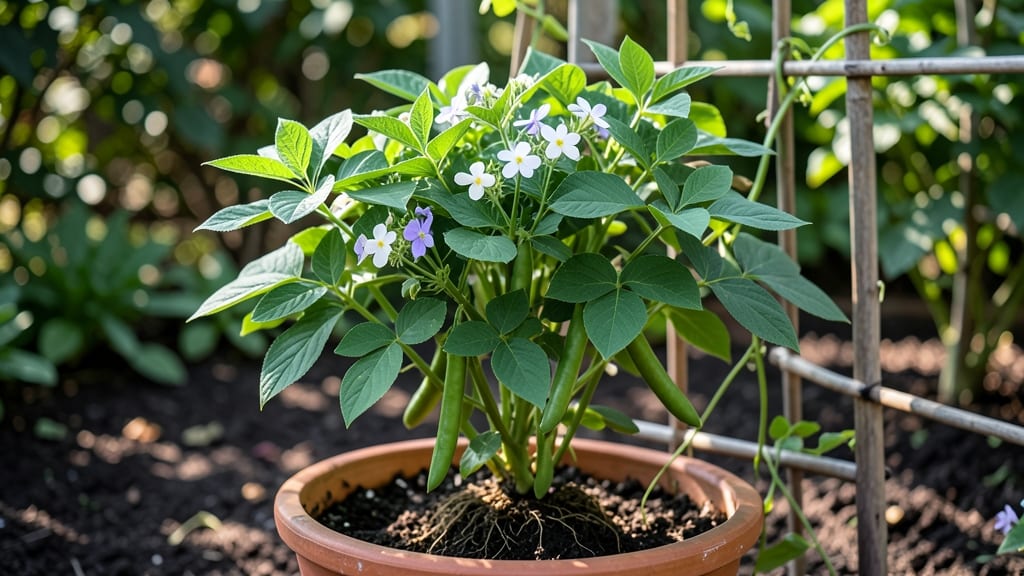
Garden beans and green beans aren't the same: garden beans include mature, waxy varieties like kidney or lima beans, while green beans specifically refer to tender, immature pods harvested early. Their growth stages, textures, and culinary roles create distinct differences in the kitchen.
When you're standing in the produce aisle, you might assume all beans in the "green bean" section are identical—but that's where the confusion begins. 🌱 Garden beans encompass a broader category that includes both immature pods (like snap beans) and mature seeds (such as kidney beans), while true green beans are always harvested at their most tender stage.
This distinction explains why recipes calling for "green beans" fail when you substitute lima beans or other mature varieties.
The key difference lies in their botanical purpose: green beans are harvested for their edible pods before the seeds develop, while garden beans often include varieties where the seeds themselves become the edible part.
This explains why green beans have a crisp, snappy texture perfect for salads, while mature garden beans like butter beans have a softer, creamier profile ideal for soups or stews.
Nutritionally, they also differ significantly. Green beans are lower in calories but higher in vitamin K and folate, while mature garden beans pack more protein and fiber per serving.
Understanding these differences helps you choose the right bean for your dish—whether you're making a fresh summer salad or a hearty winter casserole.
💡 In This Article
- Botanical and Growth Stage Differences Between Garden and Green Beans
- Culinary Uses and Nutritional Comparisons of Garden vs. Green Beans
Botanical and growth stage differences between garden and green beans
The confusion starts with their botanical families. True green beans belong to Phaseolus vulgaris, the same species as kidney beans and lima beans—but they're harvested at radically different stages.
Green beans are picked when their pods are 3-5 inches long and still tender, before the seeds inside develop beyond a tiny, undeveloped state. This early harvest is what gives them their signature crunch and mild, grassy flavor.
Garden beans, however, encompass a broader category that includes both immature pods (like snap beans) AND mature seeds (such as kidney or lima beans).
The key difference is in their growth timeline: green beans are harvested at 20-30 days after planting when pods are at peak tenderness, while garden beans like butter beans are left to mature for 80-120 days until their seeds become the edible portion.
This maturity process transforms the texture from crisp to creamy and the flavor from mild to rich and earthy.
The science behind this involves seed development: green beans contain 1-2 undeveloped seeds per pod, while mature garden beans have 3-4 fully developed seeds that become the main edible part.
The pod walls in green beans remain thin (0.5mm thick) and tender, while mature garden bean pods thicken and toughen as they prepare to release seeds. This explains why green beans are perfect for raw dishes while mature garden beans require longer cooking times.
Another critical factor is their growth habit. Green beans typically grow on bush varieties that produce pods at ground level, while many garden beans climb 6-10 feet on vines, allowing the pods to develop longer before harvest.
This vertical growth gives mature beans more time to develop their signature waxy texture and complex flavors. The difference in growth structure also affects how they're cultivated—green beans thrive in shorter seasons, while garden beans often need longer growing periods.
What most people don't realize is that color isn't the only distinguishing factor. Some garden beans like wax beans actually turn yellow when cooked, while green beans maintain their vibrant green hue.
This color change occurs because mature beans contain more carotenoids that become visible as chlorophyll breaks down during cooking. The starch content also differs significantly: green beans have 12-15% starch while mature garden beans can reach 25-30% starch, explaining their different culinary behaviors.
Consider this visual comparison: a green bean pod looks like a tiny, unopened envelope with barely visible seeds inside, while a mature garden bean pod resembles a swollen pod with fully formed seeds that could be harvested separately.
This structural difference is why you'll never find mature seeds in a green bean pod—they've been harvested too early! 🌱