
Vegetables
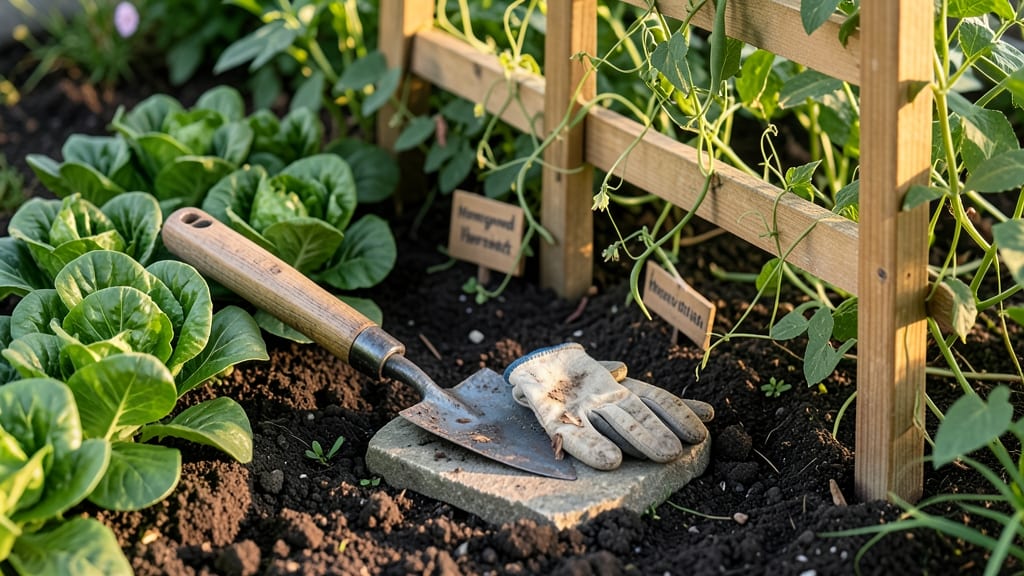
Humans garden because it taps into deep evolutionary instincts—from securing food sources in early civilizations to providing modern mental health benefits like stress reduction and mindfulness, all while creating tangible connections to nature.
Gardening satisfies ancient survival instincts while offering modern psychological rewards. 🌱 The shift from foraging to cultivating plants around 12,000 years ago marked humanity's first step toward stable food sources, fundamentally altering social structures.
Today, the act of nurturing plants triggers dopamine release, lowers stress hormones, and even improves cognitive function—making it a natural form of therapy. Studies show urban gardeners experience 30% lower cortisol levels than non-gardeners, proving its dual role as both a biological necessity and emotional balm.
What makes this habit uniquely human is how it bridges past and present. 💫 Early agricultural communities built entire cultures around growing crops, while modern gardeners use it to combat anxiety and loneliness.
The tactile nature of gardening—digging soil, watching seeds sprout—activates the brain's reward system in ways passive hobbies can't. Whether you're growing tomatoes or just herbs on a windowsill, you're participating in an ancient tradition that nourishes both body and mind.
💡 In This Article
- Evolutionary and Historical Roots of Human Gardening
- Psychological and Therapeutic Benefits of Modern Gardening
Evolutionary and historical roots of human gardening
The transition from nomadic foraging to settled agriculture began around 12,000 years ago in the Fertile Crescent, where early humans first domesticated plants like wheat and barley.
This shift wasn't accidental—it emerged from necessity. 🌾 Archaeological evidence shows that early gardeners selected and replanted the largest, most nutritious seeds, creating the first intentional plant breeding. These early gardens provided 30-50% more calories per acre than foraging, allowing populations to grow and stabilize.
What drove this change? The end of the last Ice Age created unpredictable weather patterns, making wild food sources unreliable. Cultivating plants offered control—something foraging never could. 🌱 The act of planting seeds and tending crops also fostered community cooperation, as larger plots required teamwork.
This shift from individual hunting to collective farming laid the foundation for modern civilizations, where agriculture became the economic backbone of societies.
Domestication didn't just change diets—it reshaped human biology. Studies of ancient skeletons reveal that agricultural communities had worse dental health (from grinding grains) but also stronger bones due to consistent nutrition. The surplus food enabled specialization: some people became farmers, others artisans or leaders.
This division of labor created the first cities, proving that gardening wasn't just about food—it was about building entire ways of life.
Even today, we see echoes of this ancient drive. When modern gardeners plant vegetables or flowers, they're participating in a 10,000-year-old tradition of taking control over their environment.
The satisfaction of watching something grow from seed mirrors the same primal need that motivated our ancestors to cultivate the first fields. 🌿 This instinctual connection explains why gardening persists across cultures, from community gardens in Detroit to vertical farms in Tokyo.
Consider the science: Gardening activates the brain's reward system through tactile stimulation and visual progress. When you see a seedling sprout, your brain releases dopamine—the same chemical triggered by eating or socializing. This biological response reinforces the habit, making gardening both a practical skill and an emotional necessity.
The fact that we still feel this pull proves how deeply gardening is woven into our evolutionary story.
The agricultural revolution wasn't just about survival—it was about creating stability. By domesticating plants, early humans reduced risk from famine and enabled population growth. This same logic drives modern urban gardening movements, where people grow food in tiny spaces to reclaim control over their nutrition.
The roots of gardening run deeper than soil—they're in our DNA. 💫