
Tools
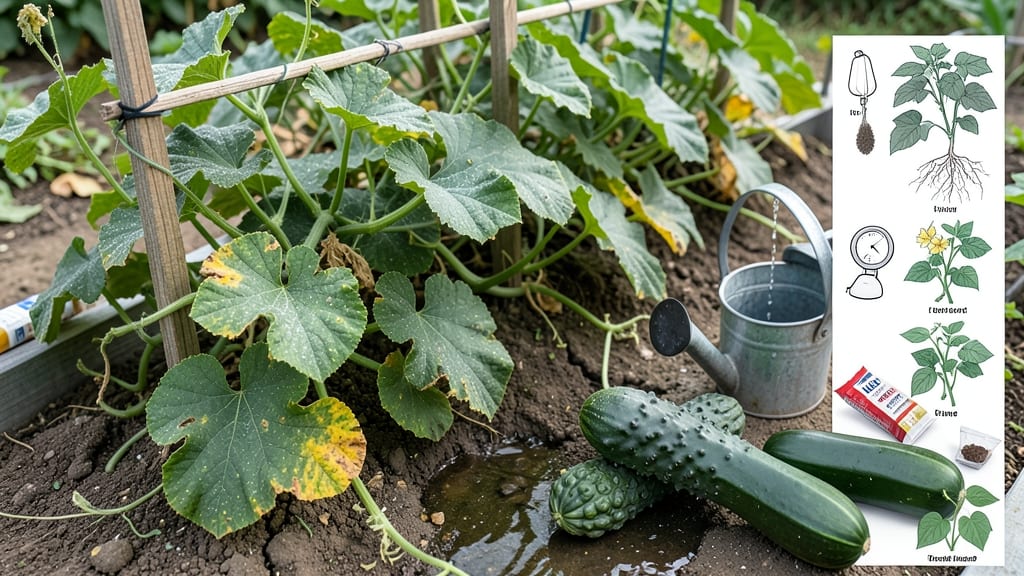
Your garden cucumbers taste bitter because they’re either overripe, stressed, or missing key nutrients—three fixable issues that turn a fresh harvest into a crunchless disappointment.
Picture this: you’ve spent weeks nurturing your 🥒 plants, only to bite into a cucumber that tastes like soap or almond extract. That’s not just "off"—it’s a clear sign your plants are sending you a message, and most gardeners miss it.
Too much heat, inconsistent watering, or harvesting at the wrong stage can all trigger bitterness. The good news? Adjusting just one of these factors can restore that crisp, sweet flavor you love.
In this guide, I’ll walk you through the top 3 causes of bitter cucumbers and the simple steps to fix them—so your next harvest tastes like the fresh, garden-grown produce it should.
3 Common reasons your garden cucumbers taste bitter (and how to fix them)
There's nothing worse than biting into a cucumber from your own garden only to be hit with an unpleasant bitter taste. What many gardeners don't realize is that this common issue stems from specific growing conditions you can easily control.
The good news? With a few targeted adjustments, you can transform those bitter cucumbers into sweet, crisp harvests that rival store-bought (or better!).
The bitterness in cucumbers comes from compounds called cucurbitacins, which develop as a natural defense mechanism when plants experience stress. Understanding the three most common triggers—watering issues, harvesting too late, and nutrient imbalances—is the first step to fixing this problem once and for all.
-
1Overwatering or inconsistent watering causes stress that triggers cucurbitacin production. Cucumbers need consistent moisture—not soggy soil or drought cycles.
-
2Harvesting cucumbers too late lets them overripen, concentrating bitter compounds. Check for firm skin and consistent color—never wait for yellowing or soft spots.
-
3Poor soil quality or nutrient deficiencies (especially magnesium or potassium) weakens plants, making them produce bitter-tasting fruit. Test your soil and amend with compost or balanced fertilizer.
Let's tackle the first issue head-on: watering problems. Cucumbers are thirsty plants that need about 1-2 inches of water per week, but they hate inconsistency. If your soil stays too wet, roots suffocate and trigger bitterness.
On the flip side, drought stress forces the plant to produce those defensive compounds. The fix? Use a moisture meter or stick your finger 1-2 inches into the soil—if it's dry, water deeply in the morning to avoid fungal issues.
For the second culprit—overripe cucumbers—timing is everything. Many gardeners wait too long to harvest, thinking bigger means better. But cucumbers past their prime develop hard seeds and concentrated bitterness. Always harvest when they're firm, glossy, and dark green (or the color specified for your variety).
Pro tip: Use a sharp knife or pruners to avoid damaging the vine, which can introduce disease.
Now, let's talk soil health, the foundation of sweet cucumbers. If your soil lacks essential nutrients, your plants will struggle to produce flavorful fruit. Start by testing your soil's pH level—cucumbers thrive in slightly acidic to neutral soil (pH 6.0-6.8).
If your soil is deficient in magnesium (a common issue in sandy soils), add Epsom salt (1 tablespoon per plant) every 4-6 weeks. For potassium support, use a banana peel tea or wood ash.
Another often-overlooked factor is heat stress. When temperatures soar above 90°F (32°C), cucumbers can't photosynthesize efficiently, leading to bitter fruit. Provide shade cloth during peak afternoon heat if you're in a hot climate, and mulch around your plants to keep roots cool.
This simple step can make a world of difference in flavor.
Don't forget about companion planting—certain plants can enhance sweetness naturally. Try planting basil nearby, as its scent repels pests and may improve cucumber flavor. Avoid planting cucumbers next to potatoes or melons, though, as they compete for nutrients and can stress your plants.
To put it all together, create a cucumber care checklist: ☑️ Water deeply in the morning (1-2 inches per week) ☑️ Harvest when firm and dark green (never overripe) ☑️ Test soil pH and amend with compost or fertilizer ☑️ Provide afternoon shade in extreme heat ☑️ Plant basil nearby for natural flavor enhancement
With these fixes in place, you'll be enjoying sweet, crisp cucumbers straight from your garden in no time. The key is consistency—monitor your plants regularly, adjust your care routine as needed, and soon you'll be the envy of the neighborhood with your perfect harvests! 🥒
The right way to harvest cucumbers for maximum sweetness
Harvesting cucumbers at the right time is the #1 secret to avoiding bitterness. Most gardeners wait too long, letting cucumbers grow past their peak sweetness window.
The key is picking them when they’re firm, glossy, and the right size for your variety—usually between 4-8 inches long, depending on whether you prefer slicing or pickling types.
Color matters too! Dark green cucumbers (like Marketmore or Straight Eight) should be uniformly colored with no yellowing. Varieties like Lemon cucumbers or Armenian cucumbers will have their signature hues but still need to be firm to the touch.
Waiting even a day past this stage can trigger that dreaded bitter compound called cucurbitacin.
Here’s how to test ripeness like a pro: gently twist the cucumber at its stem. If it snaps cleanly (rather than pulling away), it’s ready. Also, press the skin—it should feel smooth and slightly springy, not soft or spongy.
These simple checks prevent the overripe, seedy, and bitter cucumbers that ruin salads.
| Harvest Cue | What to Look For | Why It Matters |
|---|---|---|
| Size | 4-8 inches (varies by type) | Smaller = sweeter, less seedy |
| Color | Uniform, deep green (or variety-specific) | Yellowing = overripe, bitter |
| Skin Texture | Firm, glossy, no soft spots | Soft = past prime, bitter |
| Stem Test | Snaps cleanly when twisted | Clean break = peak ripeness |
Timing your harvests is just as critical as picking the right cucumbers. Aim to harvest every 2-3 days during peak production (July-August). This frequent picking signals your plants to produce more fruit instead of letting cucumbers linger on the vine and develop bitterness.
Use a sharp knife or pruners to avoid damaging the plant—always cut 1/4 inch above the fruit to prevent disease entry.
Storage plays a surprising role in post-harvest bitterness. Never store cucumbers in the fridge—the cold triggers sugar breakdown, making them taste bland or even bitter. Instead, keep them at room temperature (50-60°F) in a paper bag (not plastic) to retain moisture and ethylene gases that slow ripening.
For longer storage, wrap them in a damp towel inside a perforated plastic bag and store in the crisper drawer for up to one week.
If you’ve already harvested bitter cucumbers, don’t toss them! Peel the skin (which contains most of the bitter compounds) and use the flesh in cooked dishes like stir-fries or soups, where the heat masks bitterness.
For future harvests, focus on consistent watering, shade cloth in extreme heat, and regular harvesting—these three steps alone can transform your cucumbers from bitter to crisp, sweet, and vine-ripened perfection.