
Planting
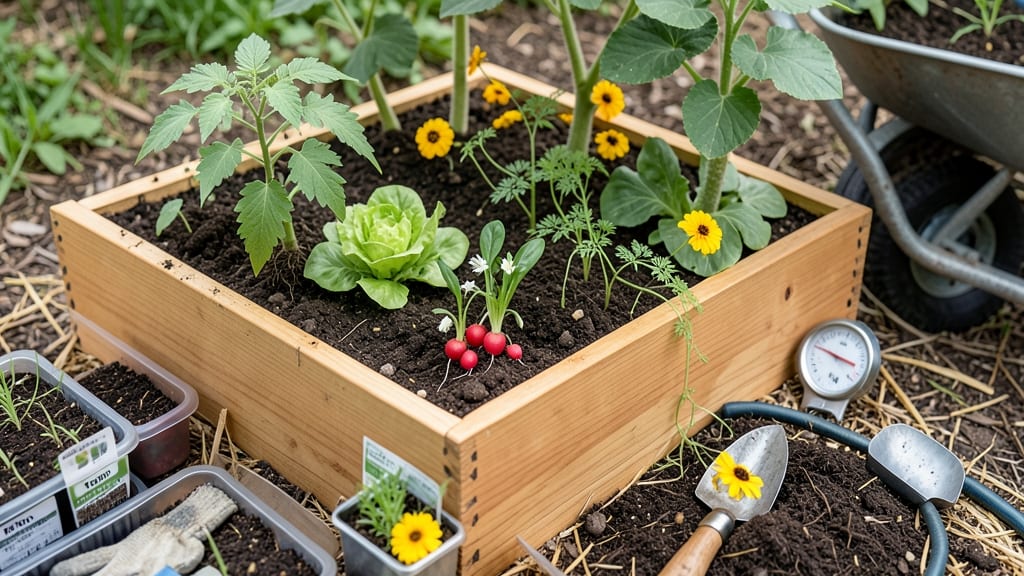
Plant your garden in Michigan at the right time, and you’ll beat frost, outpace pests, and enjoy a harvest that stretches from spring greens to late-season tomatoes.
Michigan’s unpredictable spring weather can turn a gardener’s excitement into frustration—plant too early and risk frost damage, too late and miss peak harvests. But timing your garden right means enjoying fresh produce from early greens to late-season tomatoes, all while beating the Great Lakes’ whims.
The key is knowing your USDA zone (Michigan ranges from 5 to 6), tracking last-frost dates, and matching crops to the season.
Cold-hardy veggies like peas and spinach can go in as soon as the soil is workable, while warm-lovers like tomatoes and peppers need to wait until after the last frost—usually mid-May in southern Michigan but weeks later in the Upper Peninsula.
Below, I break down the exact planting windows for your region, plus soil prep tips and seasonal transitions to maximize your harvest. Whether you’re a first-timer or a veteran gardener, these strategies will help you grow more with less stress.
Michigan’s planting zones: when to start cold-hardy vs. warm-season crops
Michigan spans USDA Hardiness Zones 5 and 6, creating distinct planting windows across its regions. The Upper Peninsula (Zone 5) typically experiences last spring frosts 2-3 weeks later than southern areas like Detroit or Traverse City (Zone 6). Understanding these differences helps you avoid frost damage while maximizing harvests.
Cold-hardy crops like spinach, peas, and potatoes thrive when soil temperatures reach 40-50°F, often as early as late March to mid-April in southern Michigan. Meanwhile, warm-season plants (tomatoes, peppers, cucumbers) need soil temperatures above 60°F and wait until after the last frost, usually mid-May to early June.
Here’s how to align planting with Michigan’s frost-free averages by region, ensuring your garden thrives from spring greens to fall tomatoes:
| Region | Last Spring Frost | First Fall Frost | Cold-Hardy Crops (Plant) | Warm-Season Crops (Plant) |
|---|---|---|---|---|
| Southern Michigan (Detroit) | April 15–May 1 | October 10–15 | Late March–mid-April | Mid-May–early June |
| Traverse City | April 20–May 5 | October 5–10 | Late March–early April | Late May |
| Upper Peninsula (Marquette) | May 10–20 | September 20–October 5 | Early May | Late May–June 1 |
For cold-hardy crops, start seeds indoors 4-6 weeks before your region’s last frost date. In southern Michigan, this means mid-March for spinach, while potatoes can go directly into 50°F soil by early April. Use row covers to extend early planting by 2-3 weeks if frost threatens.
Warm-season plants like tomatoes and peppers demand patience. Wait until soil temperatures hit 60°F+—test with a soil thermometer—or use black plastic mulch to warm beds faster. In Detroit, this often means late May, while the UP may push planting to early June.
Pro tip: Peas and lettuce can handle light frosts (28°F), but cucumbers and basil wilt instantly. Monitor local frost forecasts (like the Michigan State University Extension) for real-time adjustments.
My 2023 garden thrived by planting cold crops early and warm crops late, even if it meant waiting until June 1 for tomatoes.
Extend your season by succession planting cold crops every 2 weeks until July, and use cold frames to harvest spinach into winter. The key is balancing risk and reward: early plantings may fail, but they also give you a head start on the growing season.
Remember, Michigan’s microclimates vary wildly—even within 10 miles. Observe your yard’s frost patterns for 3 years to refine your schedule. Start with fast-growing radishes as a frost indicator; if they survive overnight temps, your peas and carrots are likely safe too.
With these region-specific timelines, you’ll avoid the heartbreak of frost-nipped seedlings or bolting greens. Soon, you’ll be the neighbor with tomatoes in August and kale in December—all thanks to mastering Michigan’s planting zones.
Step-by-step planting calendar for Michigan gardens (by month)
Michigan’s gardening season starts earlier in the south and later in the north, but with the right timing, you can grow everything from hardy peas to heat-loving tomatoes.
The key is balancing frost dates with soil temperatures—cold frames and row covers let you cheat the system for early starts or late harvests. My calendar below breaks it down month-by-month, so you’ll know exactly when to plant, protect, and harvest.
For cold-hardy crops like kale, spinach, and potatoes, you can start seeds indoors as early as February in a sunny window or under grow lights. These plants thrive in cool soil (40–50°F) and can even handle light frosts.
Meanwhile, warm-season plants like peppers and eggplants need to wait until after the last frost—usually mid-May to early June—when soil temperatures hit 60°F or warmer.
Here’s your month-by-month guide, complete with transplant windows, seed-starting dates, and tips for extending your season with protective covers:
🌱 Michigan Monthly Planting Calendar
Pro tip: Use frost dates as your guide, but don’t let them dictate your entire season. With row covers or cold frames, I’ve successfully grown spinach in March and kale in October—even in Michigan’s Zone 5–6 climate. Start small, experiment, and adjust based on your microclimate!
Remember, soil temperature matters more than air temperature. Use a soil thermometer to confirm it’s ready—most seeds need 50–70°F to germinate. Happy planting!