
Container Gardens
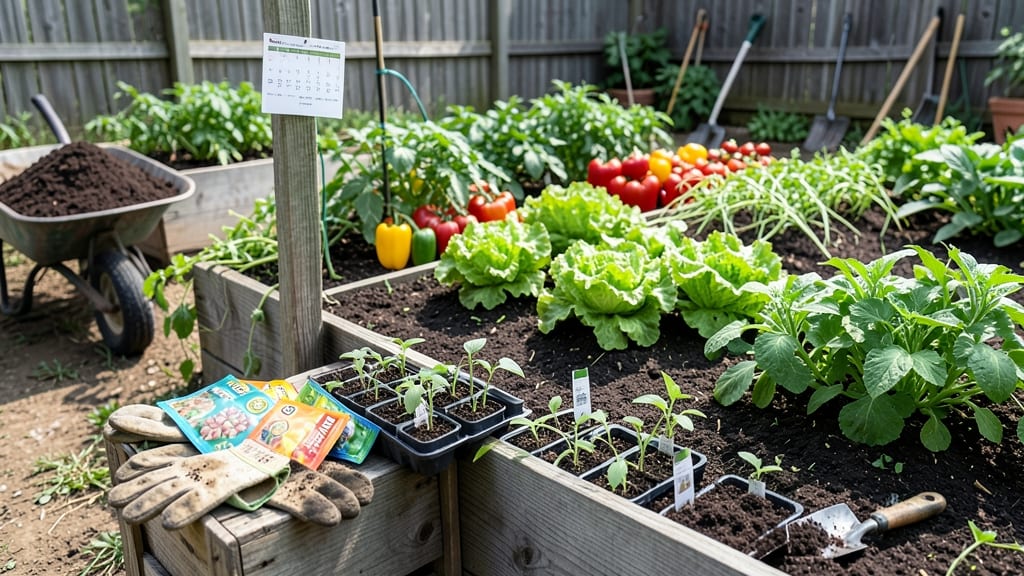
Planting gardens in Ohio depends on the last frost date and your crop type — aim for early April in most of the state, but adjust for microclimates like urban heat islands.
Ohio’s unpredictable spring weather can turn even the most eager gardener into a second-guesser—plant too early and risk frost damage, too late and miss peak harvests.
But with the right timing, you can grow a thriving garden from the frozen hills of Zone 4 to the warmer valleys of Zone 6.
Cool-season plants like broccoli and spinach thrive when soil temperatures hit 40°F, while tomatoes and peppers need to wait until after May 15 in most regions. Ohio State University Extension recommends tracking local frost data, as urban areas often warm up faster than rural spots.
In this guide, I’ll break down the exact planting windows for vegetables, flowers, and herbs, plus soil prep tips and region-specific varieties to maximize your bountiful harvests without the guesswork.
Ohio planting zones explained: key dates by region and crop type
Ohio spans USDA Hardiness Zones 4 through 6, meaning frost dates vary dramatically from northeast to southwest. In Zone 4 (like Youngstown), last frosts can hit May 10-15, while Zone 6 (like Cincinnati) typically sees April 15-30 as the safe planting window.
These differences mean cool-season crops like spinach thrive earlier in the north, while warm-season tomatoes need to wait longer in colder microclimates.
Regional variations matter—Toledo’s lake-effect can delay spring by 1-2 weeks compared to Columbus, while Cincinnati’s river valleys warm up faster. Always check local frost records (like Ohio State University’s Frost Free Date Maps) and adjust for microclimates, like urban heat islands or shaded gardens.
My go-to rule: Wait until soil temps hit 60°F for warm-season plants, even if frost dates suggest otherwise.
Understanding these zones helps you match crops to timing. Cool-season crops (spinach, peas, kale) can start 4-6 weeks before last frost, while warm-season crops (tomatoes, peppers, basil) need full soil warmth and no frost risk.
Perennials like asparagus or rhubarb also benefit from early spring planting in Zone 5/6, but avoid transplanting in frost—they’re tough but not frost-proof.
Here’s how Ohio’s three main regions break down for planting:
For cool-season crops, think spinach, lettuce, and peas. These thrive in 40-60°F soil and can handle light frosts. Start seeds 4-6 weeks before last frost—in Zone 4, that’s March 1-15, while Zone 6 gardeners can begin as early as February 28.
Use row covers to extend the season if late frosts hit.
Warm-season crops like tomatoes, peppers, and cucumbers need consistent 60°F+ soil temps. In Zone 4, wait until May 15 (or later if soil is cold), while Zone 6 gardeners can plant April 10-May 1.
My pro tip: Use a soil thermometer—50°F soil will stunt warm-season growth, even if air temps are warm. For container gardens, move pots indoors or under row covers if night temps dip below 50°F.
Perennials and woody plants (shrubs, trees) have different rules. Plant bare-root perennials in early spring (March-April) while soil is workable but before buds swell.
For trees and shrubs, fall planting (September-October) gives roots time to establish before winter. Evergreens like boxwoods need extra winter protection in Zone 4/5, while deciduous varieties (like lilacs) handle colder zones better.
Don’t forget succession planting! In Ohio, you can often plant lettuce twice
Month-by-month Ohio garden planting calendar: what to sow when
Ohio’s growing season runs from late April to mid-October, but not all plants thrive in the same timing. Cool-season crops like spinach and kale can handle early spring’s chill, while tomatoes and peppers need warm soil to sprout.
I’ve broken down the best months to plant your favorites, plus succession planting tips to keep your harvests flowing.
Start with cool-season crops in early spring (March–April) and transition to warm-season plants after the last frost (mid-April to early May). For a second harvest, replant fast growers like bush beans or lettuce in late summer.
Ohio’s USDA Zones 5–7 mean your exact dates may vary by 1–2 weeks depending on microclimates—urban areas warm faster than rural spots.
- 1
- 2
- 3
- 4
- 5
Direct-sow: Spinach, kale, peas, radishes, lettuce, carrots
Start indoors: Broccoli, cabbage, onions (transplant after last frost)
Start indoors: Tomatoes, peppers, eggplants (transplant after May 10 when soil hits 60°F)
Direct-sow: Beans, corn, cucumbers, squash (after last frost)
Replant: Bush beans, lettuce, radishes, cilantro (every 2–3 weeks for continuous harvests)
Sow flowers: Marigolds, zinnias, sunflowers (direct-sow after soil warms)
Start indoors: Broccoli, cabbage, kale (for fall harvest)
Direct-sow: Spinach, peas, radishes (choose cold-hardy varieties)
Direct-sow: Garlic, onions, hardy greens (cover with row fabric for frost protection)
Avoid: Tomatoes, peppers, or basil (too short a season to mature)
For herbs like basil and cilantro, timing is critical. Basil thrives in warm soil (plant after May 10) but bolts in heat—succession-sow every 2 weeks for fresh leaves.
Cilantro, meanwhile, prefers cool weather; plant it in March–April or August–September for a fall harvest. Marigolds and zinnias are heat-tolerant and can be direct-sown in May–June for summer-long color.
Pro tip: Use row covers to extend the season for cool crops in early spring or late fall. I’ve had great success with spinach under covers in February for an early harvest. Just remove covers when temps hit 70°F to prevent bolting.
For container gardens, warm-season plants like peppers and eggplants need extra warmth—consider black plastic mulch or a mini greenhouse to jumpstart growth.
Ohio’s first frost typically hits October 15–30, so plan your fall crops accordingly. Garlic and onions planted in September will overwinter and reward you with early spring harvests.
And don’t forget perennials like asparagus or rhubarb—they benefit from being planted in early spring (March) so they establish roots before summer heat.
With this schedule, you’ll avoid the common Ohio gardening pitfalls—like frost-nipped tomatoes or bolted lettuce—and enjoy a continuous harvest from spring through fall. Happy planting! 🌱