
Planting
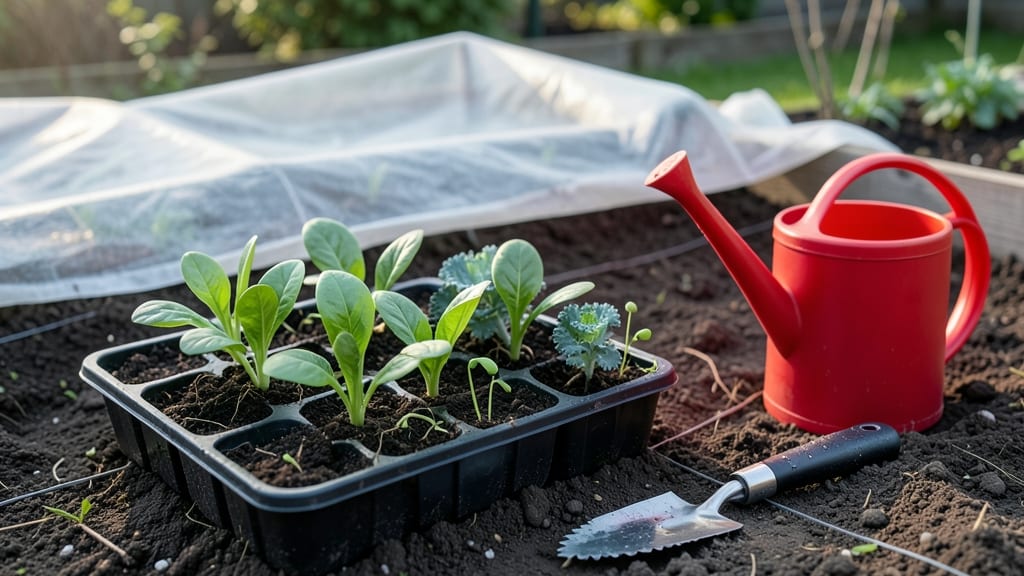
To plant a garden in Wisconsin, time your sowing with the last frost—typically between mid-April and early May, depending on your region.
Wisconsin’s unpredictable frost dates can turn a gardener’s excitement into frustration—unless you know the exact timing for each plant type. Get your frost-date cheat sheet to maximize your harvest and avoid costly mistakes.
Cool-season crops like spinach and peas thrive when planted as early as March, while warm-season favorites such as tomatoes and peppers need to wait until after the last frost, often late May or early June.
Below, I’ll break down the ideal planting windows for Wisconsin’s USDA Zones 4a-6b, including soil prep tips and region-specific adjustments to help you grow a thriving garden.
Wisconsin frost dates by plant type: the ultimate planting timeline
Wisconsin’s three distinct climate regions—Northern, Central, and Southern—create unique frost patterns that can make or break your garden.
Knowing the last spring frost and first fall frost dates for your area ensures you plant at the right time, whether you’re growing cool-season crops like spinach or warm-season favorites like tomatoes.
Let’s break down the planting windows tailored to each region, so you can avoid frost damage and maximize your harvest.
For Northern Wisconsin (USDA Zones 3-4), expect the last spring frost around May 15 and the first fall frost as early as September 15. This short growing season demands careful planning—focus on fast-maturing varieties and early starts indoors.
In contrast, Southern Wisconsin (Zones 5-6) enjoys a longer season, with last frosts around April 20 and first frosts near October 15, giving you more flexibility for both cool-season and warm-season crops.
Central Wisconsin falls in between, with last spring frosts around May 1 and first fall frosts near September 30. Whether you’re in Milwaukee, Madison, or Green Bay, these dates serve as your garden’s guiding timeline. Pro tip: Use local weather forecasts from NOAA or your county extension office to fine-tune these dates each year—Wisconsin’s weather can shift dramatically from one season to the next.
Below is your frost-date cheat sheet, organized by plant type and region. This table includes warm-season crops (like peppers and beans) that need consistent warmth and cool-season crops (like lettuce and peas) that thrive in cooler temperatures. Bookmark this for your next gardening season!
For cool-season crops, like lettuce, spinach, and peas, plant as soon as the soil is workable—often 4-6 weeks before the last frost. These plants can even tolerate light frosts, so don’t wait too long!
In Northern Wisconsin, start seeds indoors in March for a head start, while Southern Wisconsin gardeners can direct-sow many cool-season crops as early as March.
On the flip side, warm-season crops such as tomatoes, peppers, and cucumbers need consistent warmth and won’t tolerate frost. Wait until 2 weeks after the last frost to plant these outdoors, or start them indoors 6-8 weeks before the last frost.
In Central Wisconsin, this typically means late April to early May for indoor starts, with outdoor planting in May. If you’re eager to grow heat-loving plants, consider using black plastic mulch or row covers to warm the soil faster.
Herbs like basil and cilantro also have specific needs. Basil, a warm-season herb, should wait until after the last frost, while cilantro, a cool-season herb, can be planted early spring or late summer for a fall harvest.
In Southern Wisconsin, you might even squeeze in a second cilantro crop in late summer for a flavorful fall harvest before the first frost hits.
Flowers aren’t left out of this timeline either! Annuals like marigolds and zinnias thrive in warm weather, so plant them after the last frost. Meanwhile, perennials like coneflowers and black-eyed Susans can often be planted in early spring or fall, giving you flexibility. In Northern Wisconsin
How to adjust planting for Wisconsin’s unpredictable weather patterns
Wisconsin’s unpredictable frost dates can turn even the most careful gardener’s plans upside down. One year, your tomatoes might thrive with an early start, while the next, a late frost could wipe out your seedlings overnight. The key to success? Flexibility and smart adjustments based on real-time data.
Even with average frost dates in hand, local microclimates and sudden temperature swings mean you can’t rely solely on calendars. That’s why I’ve learned to use a mix of season-extending tools, succession planting, and NOAA forecasts to protect my garden.
Here’s how I do it—and how you can too.
⚠️ WARNING: Planting Too Early Is the #1 Mistake
Even if your spinach or peas seem hardy, a late frost can set you back weeks. Cool-season crops like lettuce or kale can handle light frosts, but warm-season plants (tomatoes, peppers, cucumbers) will bolt or die if exposed to temps below 50°F. Always check the NOAA 7-day forecast before planting tender seedlings.
Pro tip: Use frost-sensitive varieties like 'Early Girl' tomatoes or 'Sweet 100' peppers only after your last average frost date—and even then, have row covers ready.
One of my favorite tools for extending the season is a low tunnel or row cover. These lightweight fabrics (like Reemay) can raise soil temps by 5-10°F, allowing me to plant cabbage or broccoli 2-3 weeks earlier in spring or keep harvesting kale into November.
For delicate plants like radishes or lettuce, I use floating row covers to protect against unexpected late frosts.
A cold frame is another game-changer for hardening off seedlings or overwintering garlic and onions. I place mine over strawberry beds in early spring to jumpstart growth, and in fall, it lets me harvest spinach and carrots weeks longer than my neighbors.
Just remember: Ventilate on warm days to prevent overheating!
For succession planting, I follow a simple rule: Plant every 2-3 weeks for crops like bush beans, zucchini, or basil. This ensures a steady harvest even if one batch gets hit by unexpected cold.
I also use interplanting—pairing fast growers (like radishes) with slow ones (like carrots) to maximize space and time.
Don’t forget to monitor NOAA’s Local Climate Reports for real-time updates. Wisconsin’s frost dates can shift by 2-3 weeks from year to year, so I check their Almanac and 7-day forecasts weekly.
For example, in 2023, southern Wisconsin saw its last frost on May 10, while northern areas waited until May 25. Adjusting my planting schedule based on these reports saved my pepper seedlings from a late April freeze.
With these strategies, you can beat Wisconsin’s weather and enjoy a longer, more productive growing season—no matter what Mother Nature throws your way. Start with one tool (like row covers) this year, and expand as you gain confidence. Your future self (and your dinner table) will thank you! 🌱