
Planting
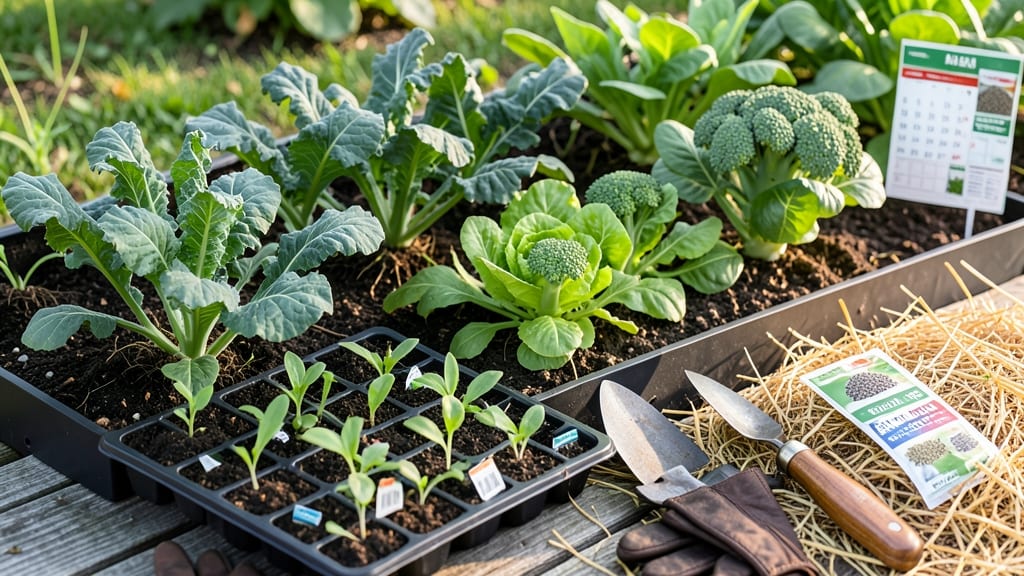
Planting your garden in Upstate NY at the right time means the difference between a bountiful harvest and a season of missed opportunities.
Upstate NY’s chilly Zone 5 climate means timing your garden planting perfectly can mean the difference between a thriving harvest and a disappointing flop—here’s your crop-by-crop planting schedule to maximize success.
Too early, and a late frost will wipe out your tender seedlings. Too late, and your warm-season crops won’t mature before the first frost. The key is knowing when to start seeds indoors, when to transplant outdoors, and which crops can handle the cool soil of early spring.
In this guide, I’ll break down the exact planting windows for vegetables, flowers, and perennials—plus tips for adjusting to Upstate NY’s unpredictable weather and microclimates.
Upstate NY planting calendar: exact dates for cool-season crops in Zone 5
Upstate NY’s Zone 5 climate offers a surprisingly long window for growing cool-season crops like lettuce, spinach, and kale—if you plant at the right time.
The key is working with frost dates (typically May 15 for last frost and October 15 for first frost) while avoiding spring heat waves that can bolt tender greens. Here’s my exact planting schedule for Zone 5’s most reliable cool-season crops.
For early spring planting, aim for 4-6 weeks before last frost (around April 15) when soil temps hit 40°F. Peas and spinach can handle light frost, while broccoli and kale thrive in cooler temps. Succession planting every 2 weeks ensures continuous harvests until fall.
Let’s break down the best varieties and timing for each crop.
📅 SUMMARY-TABLE: Upstate NY Cool-Season Planting Guide
For spinach and peas, I recommend starting seeds indoors 4-6 weeks before last frost (around March 15) to get a head start.
These crops handle light frost beautifully, so don’t rush to transplant—let them grow strong in cool soil. Kale and broccoli, on the other hand, prefer soil temps above 45°F and can handle heavy frost once established, making them perfect for fall planting.
My fall planting strategy starts in mid-July for broccoli and kale, with lettuce
Warm-season planting strategies: tomatoes, peppers, and more in Upstate NY’s short growing season
Upstate NY’s Zone 5 climate demands precise timing for warm-season crops like tomatoes, peppers, and cucumbers—or risk losing them to late frosts. The key is starting seeds indoors early and using row covers to extend the growing window.
With only about 120 frost-free days in most areas, every week counts!
Most gardeners here begin indoor seed starting in early March for heat-loving crops. By late May, when soil temperatures consistently reach 60°F, it’s safe to transplant seedlings outdoors. But don’t wait too long—June brings shorter days, and warm-season crops need long daylight hours to thrive.
🌱 Upstate NY Warm-Season Planting Timeline
- Early March: Start tomato and pepper seeds indoors under grow lights
- Mid-April: Harden off seedlings and begin cucumber/squash seed starting indoors
- Late May: Transplant hardened seedlings after last frost date (typically May 15)
- Early June: Direct-sow beans and corn after soil reaches 60°F
- June-August: Use row covers to protect from late frosts and extend harvests
For tomatoes, choose early-maturing varieties like 'Early Girl' or 'Stupice' that can produce fruit in just 60-65 days. Peppers need even more warmth—opt for short-season types such as 'Sweet Banana' or 'Jupiter' that tolerate cooler summers.
Always plant them in well-draining soil and use black plastic mulch to warm the roots faster.
One of my favorite tricks is using row covers until late June. These lightweight fabrics protect young plants from 28°F+ frosts and even help pollination in cool weather.
Just remove them when daytime temps consistently stay above 70°F to prevent overheating. This simple tool can add 2-3 extra weeks of growing time!
Don’t forget about succession planting for crops like bush beans and lettuce. After your first planting of beans in early June, sow a second batch in early July to extend your harvest.
And for cucumbers, try planting vining types like 'Straight Eight' near a trellis to save space and improve air circulation.
Upstate NY’s summers are short but sweet—with the right planting strategy, you can enjoy homegrown tomatoes until early October and peppers well into September. The secret is planning ahead, protecting young plants, and choosing varieties bred for cooler climates.
Start your seeds now, and you’ll be feasting on garden-fresh produce all summer long! 🌿