
Planting
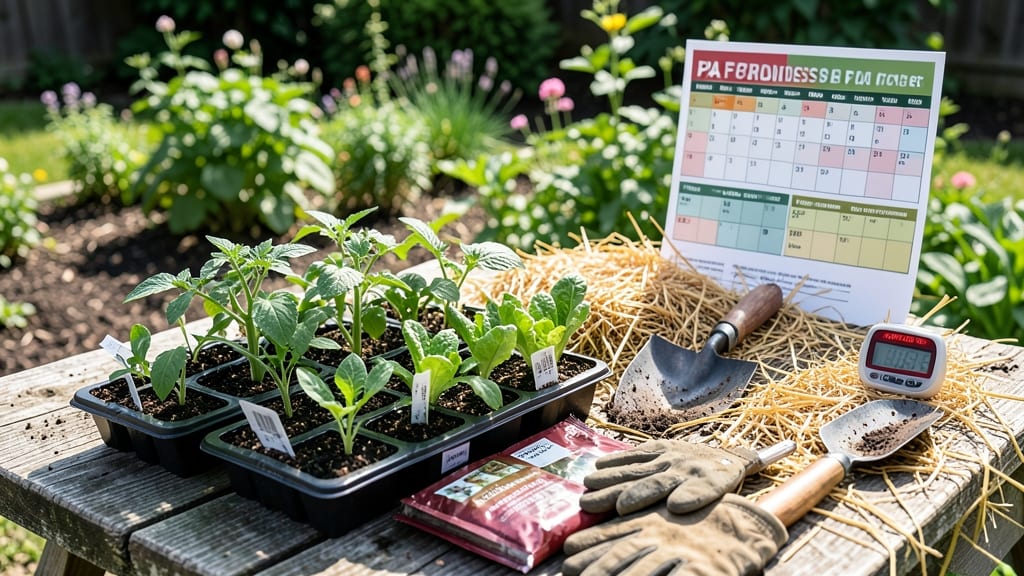
To plant a garden in Pennsylvania at the perfect time means catching the sweet spot between frost and heat—usually 2-3 weeks after your last spring frost, which lands in late April to early May for most of Zone 6-7.
Pennsylvania’s unpredictable spring weather can turn a gardener’s dream of a bountiful harvest into a guessing game—unless you know the exact planting windows for Zones 6-7. Timing is everything when it comes to avoiding frost, maximizing growth, and ensuring your tomatoes, peppers, and herbs thrive.
For cool-season crops like spinach and peas, you can start as early as March, while warm-season favorites like tomatoes and zucchini need to wait until the soil warms up in May. Missing these windows often means stunted plants or wasted seeds, and nobody wants that after months of planning.
Below, I break down the ideal planting calendar for PA’s microclimates, share tricks to adjust for late frosts or early heat, and reveal which crops to prioritize for a foolproof harvest—no matter where you garden in the Keystone State.
PA planting calendar by Zone 6-7: exact dates for vegetables, flowers, and herbs
Pennsylvania’s Zone 6-7 climate offers a 160-day growing season, but timing is critical to avoid late spring frosts or early fall freezes. In southern PA (Zone 7a), last frost typically arrives by April 15, while northern PA (Zone 6b) often waits until May 1.
These dates shift your planting strategy—cool-season crops like spinach thrive in early spring, while warm-season favorites like tomatoes need soil temperatures above 55°F to germinate.
For herbs and perennials, timing matters too. Lavender and asparagus establish best when planted in early spring or early fall, avoiding summer heat stress.
Meanwhile, annual flowers like marigolds can handle direct sowing after your last frost date, while delicate seedlings (like peppers) need a head start indoors 8-10 weeks before transplanting.
Here’s your PA planting calendar, broken down by month and crop type, with frost-free averages for southeastern PA (earlier) and north-central PA (later). Adjust for your microclimate—valleys may frost later, while hilltops warm up faster.
| Month | Cool-Season Crops (Zone 6-7) | Warm-Season Crops (Zone 6-7) | Herbs & Perennials | Flowers |
|---|---|---|---|---|
| March | Peas, spinach, kale (direct sow) | Start onions/leeks indoors | Chives, thyme (transplant) | Pansies, snapdragons (hardy) |
| April | Lettuce, radishes, broccoli (Zone 7a) | Tomato/pepper starts indoors (Zone 6b) | Asparagus crowns (Zone 7a) | Calendula, sweet peas (direct sow) |
| May | Cabbage, beets (after last frost) | Transplant tomatoes/peppers (Zone 7a) | Lavender, rosemary (spring planting) | Marigolds, zinnias (direct sow) |
| June | Successive lettuce for fall | Direct sow beans, cucumbers | Basil, cilantro (transplant) | Sunflowers, cosmos (direct sow) |
| August | Kale, spinach (fall crop) | Transplant late tomatoes (Zone 7a) | Dill, parsley (fall harvest) | Aster, chrysanthemum (direct sow) |
| September | Radishes, arugula (fast fall crops) | Plant garlic for next year | Perennial herbs (divide) | Sweet peas (fall sow for spring) |
*Adjust dates 2-3 weeks earlier for Zone 7a (southern PA) or later for Zone 6b (north-central PA).
For warm-season vegetables, wait
How to adjust planting times for PA’s unpredictable weather patterns
Pennsylvania’s unpredictable frost dates and sudden temperature swings can leave seedlings vulnerable if you’re not prepared. The key to success lies in flexible planting strategies that account for microclimates—whether you’re in southeastern PA’s Zone 7a or Erie’s cooler Zone 6b.
By using season extenders and local weather tools, you can protect your garden from early frosts or late snows that derail your planting schedule.
My go-to method is the Penn State Ag Weather Network, which provides real-time frost alerts and 10-day forecasts tailored to your county. For example, Lancaster County might see its last frost by April 15, while Pittsburgh’s average is closer to May 1.
These small differences can mean the difference between thriving tomato plants and a sad, frost-nipped failure.
⚠️ NUMBERED HIGHLIGHTS ⚠️
- Monitor frost dates via Penn State Ag Weather Network (last frost ranges April 15–May 1 in PA).
- Use row covers (floating or hoop tunnels) to extend spring planting by 2–4 weeks.
- Start warm-season crops indoors 4–6 weeks before last frost for a head start.
- Plant cool-season crops (spinach, kale) 4–6 weeks before last frost for early harvests.
- For fall planting, use black plastic mulch to warm soil and plant 2–3 weeks before first frost.
- Always have backup seedlings ready in case of unexpected cold snaps.
One of my favorite season-extending tools is a floating row cover. These lightweight fabrics trap heat and protect seedlings from light frosts down to 28°F.
I’ve used them to plant cabbage and broccoli as early as mid-March in Zone 7a, giving me a 6-week head start on the season. Pair this with a cold frame or low tunnel, and you can push those dates even earlier.
Don’t overlook fall planting strategies either. While many gardeners focus on spring, August and September are prime times for cool-season crops like radishes, lettuce, and carrots. The soil is still warm from summer, which helps roots establish quickly.
I like to use black plastic mulch to retain heat and plant 2–3 weeks before the first frost—usually mid-October in southern PA and early October in the north.
If you’re unsure about your local frost dates, harden off seedlings gradually and keep them ready to replant. I always have a backup batch of seedlings in case an unexpected frost hits.
For example, if your tomato seedlings get nipped, you can replant heat-tolerant varieties like ‘Celebrity’ or ‘Better Boy’ once temperatures stabilize. This buffer strategy has saved my garden more times than I can count!
Finally, trust your gut and your garden. If the weather forecast shows a 30% chance of frost and your seedlings look stressed, don’t hesitate to cover them. A little extra caution now means bigger harvests later—and that’s what gardening in Pennsylvania is all about. 🌱