
Planting
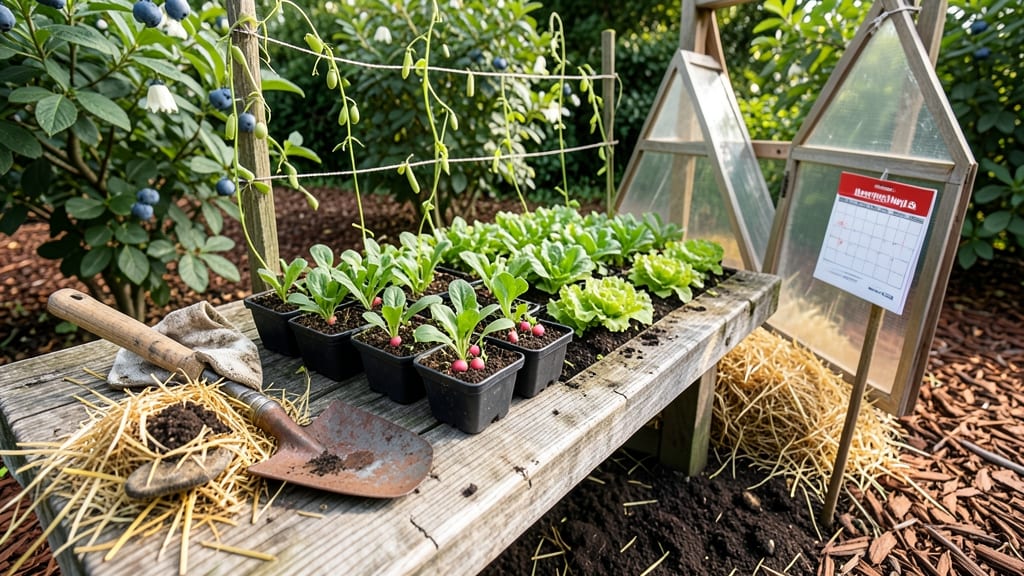
Planting a garden in Maine means timing your seeds and transplants to beat the frost—whether you're in coastal Portland or the far north, the window is tight.
Maine’s unpredictable climate can turn gardening into a high-stakes game of timing—plant too early, and frost will strike; too late, and your harvest may never arrive. But mastering the frost-free deadlines for each plant type ensures a thriving garden from coastal Portland to the Aroostook Valley.
This guide breaks down the exact planting windows for Maine’s USDA Zones 4-5, from hardy peas in early spring to late-summer tomatoes that need every warm day. We’ll cover regional frost dates, soil prep tips, and how to stretch your growing season with simple tools.
By the end, you’ll know exactly when to plant for your location, which crops thrive in Maine’s short summers, and how to protect your garden from late frosts—so you can enjoy a harvest that rivals any greenhouse.
Maine’s frost-free dates by region: when to start planting
Maine’s gardening season hinges on frost-free dates, which vary dramatically between coastal areas and inland regions. In Portland (USDA Zone 5b), the last spring frost typically arrives by May 15, while inland Bangor (Zone 5a) often waits until May 22.
Northern areas like Presque Isle (Zone 4a) can face late frosts as late as June 1, making timing critical for warm-season crops.
Understanding these microclimates helps you avoid frost damage to tender plants. Coastal regions benefit from warmer ocean breezes, while inland valleys experience colder air pockets that delay warming.
For example, tomatoes and peppers planted too early in Zone 4 risk death, while kale and carrots thrive in cooler spring soils.
Here’s how to use this data: Cool-season crops like peas and spinach can start 4-6 weeks before your last frost, while warm-season crops like cucumbers and squash need soil temperatures above 60°F—usually 2-3 weeks after your frost-free date.
Rural areas often have earlier fall frosts (as soon as September 15 in northern Maine), so plan harvests accordingly.
For coastal Maine, like Bar Harbor, the longer growing season (up to 150 days) allows for two plantings of warm-season crops. Start early varieties of tomatoes in late May and follow with heat-tolerant varieties in early July.
Inland areas, however, should focus on fast-maturing varieties or use row covers to extend the season.
My personal tip: Always have row covers or frost cloth ready for late spring. In 2022, Portland saw a late-May frost that wiped out young tomato plants—preparation saved my garden!
Test soil temperatures with a soil thermometer (aim for 60°F+ for warm crops) and monitor local frost alerts from the National Weather Service.
In northern Maine, where Zone 4 dominates, prioritize cold-hardy crops like kale, potatoes, and peas. These can handle light frosts and even improve flavor after exposure.
For warm-season crops, opt for early-maturing hybrids or start seeds indoors in March for a head start. Succession planting every 2 weeks ensures a steady harvest before frost.
Don’t forget fall planting
Best planting schedule for Maine gardens: month-by-month guide
Maine’s short growing season demands precision—knowing exactly when to plant each crop can mean the difference between a bountiful harvest and a sad, frost-nipped failure. My month-by-month schedule accounts for Maine’s USDA Zones 4-5, soil temperatures, and those dreaded late frosts that can strike even in May.
Whether you're a coastal Portland gardener or tucked away in the Aroostook Valley, these timelines will help you maximize your garden’s potential.
For northern Maine (Zone 4), always add a 7-day buffer after your local frost-free date—those late snowflakes are no joke! Coastal areas (Zone 5) can push things slightly earlier, but don’t get overconfident.
I’ve included soil temperature requirements for each plant, because cold soil will stall germination faster than you can say “Maine winter.” Let’s dive into the ideal planting windows for your garden.
🌱 Maine Planting Timeline
- Late April - Early May: Cold-hardy crops like peas, spinach, and kale. Soil temps should be 40-45°F. Use row covers for extra protection.
- Mid-May: Broccoli, cabbage, and lettuce. Wait until soil hits 50°F—cold soil = slow starts. Plant radishes for quick wins!
- Early June: Warm-season stars like tomatoes, peppers, and beans. Soil must be 60°F+. Harden off seedlings first!
- Mid-June - July: Succession plant bush beans, carrots, and zucchini. Keep soil moist to prevent bolting.
- Late July - Early August: Fall crops like kale, Brussels sprouts, and radishes. Use black plastic mulch to warm soil for late tomatoes.
- August (Zone 5 only): Spinach and peas for a fall harvest. Northern Maine? Skip this—frost comes too soon.
- September: Garlic and hardneck onions for next year’s harvest. Plant 6 weeks before first frost.
Pro tip: Companion planting can stretch your season. Pair basil with tomatoes to deter pests, or plant carrots with onions to confuse carrot flies. I’ve also found that interplanting fast growers (like radishes) with slower ones (like broccoli) keeps your garden productive all season long.
Don’t forget to rotate crops yearly to prevent soil-borne diseases.
For herbs like cilantro and dill, sow seeds every 2-3 weeks from May to July. These bolt quickly in Maine’s heat—shorten the day length with partial shade cloth if needed. Perennials like asparagus?
Plant crowns in early spring (April) for a harvest in years 2-3. Patience is key here!
If you’re starting seedlings indoors, begin 8-10 weeks before your last frost date. Use grow lights for 14-16 hours/day—Maine’s short days won’t cut it. Transplant outdoors after hardening off for 10-14 days.
And remember: hardening off means gradual exposure to wind and sun, not dumping seedlings into the garden overnight!
By following this schedule, you’ll avoid the most common Maine gardening mistakes: planting too early and losing crops to frost, or waiting too long and missing the window entirely. Track your local frost dates (check the Maine State Climate Office for updates), and adjust as needed.
Happy planting—your homegrown tomatoes this summer will be worth every bit of effort! 🌿