
Planting
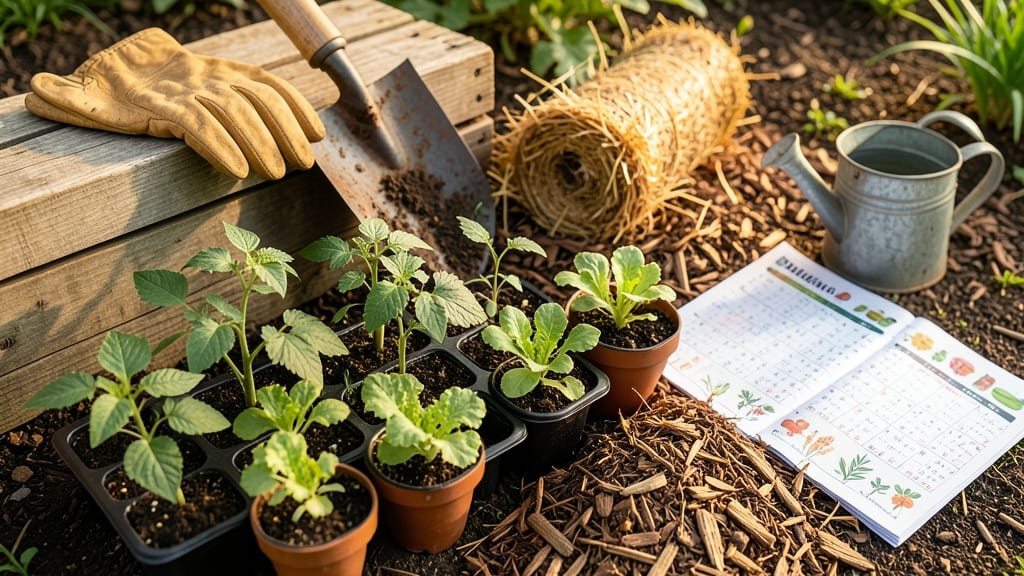
Planting a garden in Kentucky at the right time ensures a thriving harvest from spring through fall, when your soil is warm and ready.
Kentucky’s mild winters and humid summers create a gardener’s paradise—but timing is everything. Plant too early, and frost will strike; too late, and your harvest may suffer. Mastering Kentucky’s Zone 6b planting schedule ensures your garden thrives from seed to harvest.
Cool-season crops like spinach and broccoli can go in the ground as early as March, while warm-season favorites like tomatoes and peppers need to wait until after the last frost, usually around April 15.
The key is knowing when your soil is warm enough and when to protect tender seedlings.
In this guide, you’ll learn the exact planting windows for Kentucky’s climate, how to adjust for unpredictable weather, and which crops to prioritize for a bountiful harvest. Let’s get your garden off to the best start!
Kentucky Zone 6b planting calendar: last frost dates & seasonal breakdown
Kentucky’s Zone 6b climate offers a generous growing season, but knowing your last frost date (typically around April 15) is critical. This timeline separates cool-season crops like lettuce and peas from warm-season favorites such as tomatoes and peppers.
Soil temperature thresholds—like 40°F for cool crops and 60°F+ for warm crops—dictate when seeds will germinate successfully.
I’ve broken down the planting calendar by month, highlighting ideal planting windows and soil temperature requirements to help you avoid frost damage or stunted growth. Whether you’re a beginner or a seasoned gardener, this schedule ensures you’re planting at the perfect time for Kentucky’s climate.
Use this Zone 6b planting calendar as your guide to maximize yields and enjoy a bountiful harvest. From early spring to late summer, each month offers unique opportunities for planting vegetables, flowers, and perennials.
For cool-season crops, I recommend starting seeds indoors in March and transplanting after the last frost.
These plants thrive in cooler temperatures and can even handle light frosts. Spinach, peas, and broccoli are excellent choices for early planting, while lettuce and radishes can be sown directly into the garden as soon as the soil is workable.
Warm-season crops, like tomatoes, peppers, and cucumbers, need to wait until the soil reaches at least 60°F. In Kentucky’s Zone 6b, this typically happens in late April to early May. Use a soil thermometer to confirm before planting—cold soil can delay germination or
Best vegetables & flowers to plant in Kentucky by season (with success tips)
Kentucky’s Zone 6b climate lets you grow a stunning variety of vegetables and flowers year-round if you time it right. Cool-season crops like spinach and broccoli thrive in early spring and fall, while tomatoes and marigolds love the summer heat.
I’ve tested these varieties locally and found the best planting windows for maximum yield.
For cool-season vegetables, start seeds indoors 6-8 weeks before your last frost (usually February-March). Transplant seedlings outdoors 2-4 weeks before the average last frost date (around April 15). Pansies and calendula are hardy annuals that tolerate light frosts, making them perfect for early spring or fall planting.
Warm-season crops like tomatoes, peppers, and basil need soil temperatures above 60°F before planting.
In Kentucky, this typically happens after May 1, but always check your local frost dates. Marigolds and zinnias are excellent summer flowers that attract pollinators and repel pests—plant them after the last frost for continuous blooms.
- Cool-Season Plants (Feb-Apr, Sep-Oct): Spinach, Broccoli, Pansies, Kale, Peas – Plant 6-8 weeks before last frost or 8-10 weeks before first frost for fall harvests.
- Warm-Season Plants (May-Jun): Tomatoes, Peppers, Basil, Marigolds, Zinnias – Wait until soil temps reach 60°F+ and all frost risk has passed.
- Succession Planting: Sow lettuce or bush beans every 2-3 weeks from spring to summer for continuous harvests.
- Companion Planting: Pair tomatoes with marigolds (pest control) and basil with peppers (flavor boost).
- Kentucky Varieties: Try ‘Blue Lake’ bush beans, ‘Cherokee Purple’ tomatoes, and ‘Iceberg’ pansies—they thrive in our humidity.
Don’t forget succession planting—this technique keeps your garden productive all season. For example, after harvesting an early crop of lettuce, replant with radishes or spinach for a second harvest. Marigolds are my go-to for pest control; their strong scent deters nematodes and aphids, protecting nearby veggies.
For fall planting, start cool-season crops like kale or carrots in late July to early August.
These plants need 60-80 days to mature before the first frost (usually November 1). Pansies planted in early fall will bloom until winter, adding color to your garden even when temperatures drop.
Pro tip: Use row covers for early spring plantings to protect tender seedlings from late frosts. And always mulch around plants to retain moisture and regulate soil temperature—Kentucky’s humidity can be tricky, but mulch helps maintain even growing conditions.